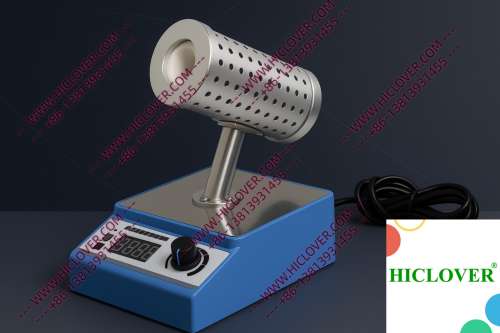
In today’s laboratory environment, especially within the confines of microbiology and clinical diagnostics, the challenges of biosafety and sterilization workflows have become more urgent than ever. As the healthcare sector evolves, UK healthcare providers are tasked with ensuring maximum efficiency and minimal contamination risk, necessitating a critical evaluation of sterilization methods. In this context, Micro Incinerators, particularly the Infrared Inoculating Loop Sterilizer, offer promising alternatives to traditional flame-based methods.
The Biosafety Challenge
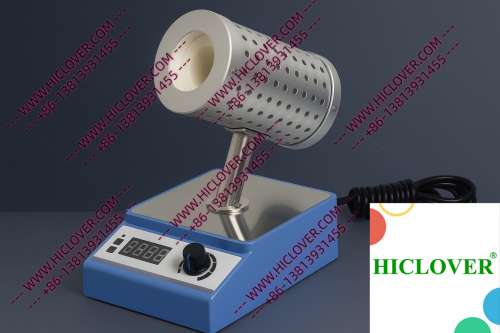
The importance of effective sterilization in microbiological practices cannot be overstated, particularly in BSL-2 and BSL-3 laboratories where the risk of exposure to pathogenic microorganisms is significant. Traditional methods such as alcohol lamps and Bunsen burners have long been staples in laboratory settings; however, they present several challenges including open flames, which pose safety hazards, particularly in clean bench environments. In contrast, infrared inoculating loop sterilizers, utilizing rapid thermal sterilization through infrared heat, present a compelling solution with numerous advantages.
Understanding Infrared Heat Sterilization
The technical principle behind the Micro Incinerator lies in its use of an enclosed ceramic tube. This setup utilizes infrared high-temperature disinfection, allowing for rapid heating of inoculating loops to achieve sterilization within seconds, which is significantly faster than traditional flame sterilizers. The enclosed design mitigates the risk of airborne contamination and eliminates the generation of aerosols, making it ideal for sensitive laboratory environments.
Applications in Modern Labs
1. In a BSL-2 Microbiology Lab
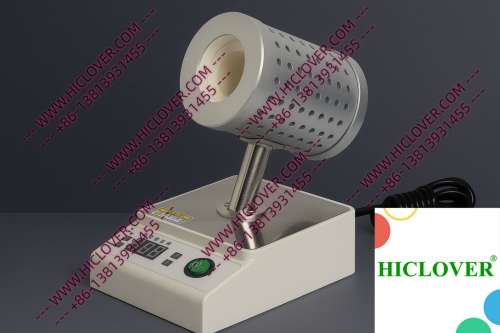
In a BSL-2 microbiology lab, where strict protocols govern the handling of moderate-risk pathogens, utilizing a Micro Incinerator ensures that inoculating loops are sterilized efficiently without the hazards associated with flames. The ability to operate in a biosafety cabinet enhances protective measures, preventing cross-contamination while ensuring rapid workflow during sample inoculations.
2. Field Testing Scenarios
In mobile laboratory settings, such as field testing for public health investigations, the portability and reduced weight of the Micro Incinerator become essential. Without the need for combustible gases or fuels, researchers can maintain safe sterilization practices in remote areas. This greatly contributes to aerosol-free handling, significantly reducing the risk of environmental contamination.
Compliance and Environment Considerations
Compliance with international biosafety standards is paramount for laboratory operations. The World Health Organization (WHO) outlines stringent lab sterilization standards to prevent infectious disease transmission. The lack of open flames in cleanrooms and controlled environments is a significant benefit when using infrared sterilizers. The Micro Incinerator embraces these guidelines, making it suitable for clean-room applications, where even minimal contamination risks can have drastic consequences.
Comparison of Micro Incinerators vs. Traditional Flame Sterilizers
| Feature | Micro Incinerator | Traditional Flame Sterilizers |
|---|---|---|
| Speed of Sterilization | Seconds | Minutes |
| Risk of Contamination | Minimal | High |
| Aerosol Production | None | High |
| Safety | High (no flame) | Moderate (flammable materials) |
| Compliance | Meets WHO standards | Potentially non-compliant in clean environments |
FAQs About Micro Incinerators
What is the primary advantage of using a Micro Incinerator over a Bunsen burner?
The Micro Incinerator offers rapid sterilization without the risk of introducing flame-related hazards, ensuring a safer work environment.
Are Micro Incinerators suitable for teaching labs?
Yes, their ease of use, safety features, and quick operation make them ideal for educational settings where students learn sterile techniques.
How does the infrared sterilization process work?
The infrared heating element within the Micro Incinerator generates high temperatures that quickly sterilize inoculating loops by targeting microorganisms without the risks associated with open flames.
Can I use a Micro Incinerator in cleanrooms?
Absolutely! The absence of open flames makes it appropriate for use in cleanrooms, meeting biosafety compliance standards effectively.
What is the typical lifespan of a Micro Incinerator?
With proper maintenance, a Micro Incinerator can last for several years, providing consistent performance while maintaining high sterilization standards.
Conclusion
As UK healthcare providers continue to grapple with evolving biosafety challenges, the transition to Micro Incinerators for laboratory sterilization represents a major advancement in infection control and workflow efficiency. The advantages over traditional flame sterilizers, in terms of speed, safety, and compliance, make micro incinerators a pivotal asset in various laboratory settings. For those interested in enhancing their sterilization processes and ensuring the highest level of safety in handling microorganisms, now is the time to consider the transition to the Infrared Inoculating Loop Sterilizer. Contact us today to explore procurement options that suit your laboratory needs.
Categories:
Tags: