
In modern laboratory environments, the need for efficient biosafety measures and impeccable sterilization workflows cannot be understated. Laboratories worldwide are facing immense challenges concerning contamination control, compliance with health regulations, and the necessity for rapid thermal sterilization methods. Among various sterilization technologies, the Micro Incinerator, specifically designed as an Infrared Inoculating Loop Sterilizer, emerges as an essential solution that addresses these pressing challenges effectively.
Understanding the Technical Principles
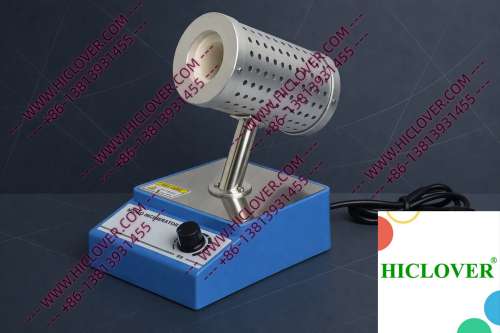
The Micro Incinerator operates on a sophisticated principle utilizing infrared technology for rapid heat application. It employs an enclosed ceramic tube that generates high temperatures to eliminate biological contaminants without the risk associated with traditional flame sources. This innovative design ensures that the instrument can achieve precise temperature regulation, offering a clean-bench-safe alternative to conventional methods like alcohol lamps and Bunsen burners.
- Infrared High-Temperature Disinfection: Utilizes focused infrared energy for efficient sterilization.
- Ceramic Heating Chamber: Facilitates even heat distribution, enhancing the sterilization process.
- Rapid Thermal Sterilization: Achieves sterilization within seconds, improving workflow efficiency.
- Aerosol-Free Handling: Reduces risk of airborne contaminants during the sterilization process.
Applications in Real Laboratories
1. Laboratory Biosafety Cabinets
In BSL-2 and BSL-3 microbiology labs, where the risk of handling pathogenic microorganisms is significant, the Micro Incinerator proves invaluable for sterilizing inoculating loops, needles, and other lab tools. Within a biosafety cabinet, researchers can safely and efficiently prepare samples while minimizing contamination risks. The infrared technology provides a clean, flame-free environment crucial for maintaining sterile conditions.
2. Mobile Field Testing Labs
In remote areas where conventional sterilization setups might not be available, field-testing laboratories benefit from the portability and efficiency of the Micro Incinerator. These instruments can quickly sterilize sampling equipment on-site, assuring that results remain uncontaminated during sampling processes. This operational flexibility is advantageous for health organizations executing quick response measures, such as in rural communities in China or emergency fieldwork during epidemics.
Compliance and Environmental Considerations
Adhering to international biosafety standards, like those set by the World Health Organization (WHO) and local health authorities, is essential for laboratory operations. The Micro Incinerator complies with stringent lab sterilization standards and is ideally suited for cleanrooms, where open flames can pose a significant hazard.
By eliminating the risk of flame-based sterilization, it contributes to safer laboratory environments, particularly in places where volatile substances are present. Moreover, using efficient thermal cycles reduces energy consumption and laboratory waste, aligning with sustainable practices that many research institutions across the globe are currently adopting.
Comparison: Micro Incinerator vs. Flame Burners
| Feature | Micro Incinerator | Flame Burners |
|---|---|---|
| Safety | No flame, reducing fire hazards | Open flame, risk of burns and fire |
| Efficiency | Rapid sterilization in seconds | Time-consuming, requires manual handling |
| Contamination Control | Aerosol-free, enclosed design | Open flame can create aerosols and particulates |
| Energy Use | Lower due to high thermal efficiency | Higher due to wasteful heat generation |
FAQs About Micro Incinerators
1. What is a Micro Incinerator?
A Micro Incinerator is a laboratory sterilization device that uses infrared technology to achieve high-temperature disinfection without an open flame. Its enclosed ceramic tube design ensures rapid sterilization and safety in sensitive lab environments.
2. How does it compare to traditional flame sterilizers?
Unlike traditional methods, which can create aerosols and require open flames, Micro Incinerators provide a cleaner, faster, and safer alternative for sterilization, significantly reducing contamination risks.
3. Where can I use a Micro Incinerator?
Micro Incinerators are ideal for use in laboratory biosafety cabinets, educational training labs, and even portable field testing environments where safety and efficiency are paramount.
4. Are Micro Incinerators compliant with health standards?
Yes, these devices comply with WHO recommendations and relevant national biosafety standards, ensuring they are suitable for handling pathogenic samples and conducting safe laboratory practices.
5. Can Micro Incinerators be transported for fieldwork?
Yes, their compact design and user-friendly operation make Micro Incinerators perfect for mobile testing labs and field applications, providing rapid sterilization in diverse environments.
Conclusion: Enhance Your Laboratory Workflow with Micro Incinerators
Incorporating a Micro Incinerator into your laboratory procedures not only enhances biosafety compliance but also streamlines sterilization workflows. The rapid thermal sterilization capabilities, combined with its robust design, enable laboratories to function effectively while ensuring contamination control. For laboratories seeking to optimize their sterilization processes, investing in a high-quality Micro Incinerator / Infrared Inoculating Loop Sterilizer is a prudent choice. Contact us today to explore the range of products available to meet your laboratory’s needs.
Categories:
Tags: