
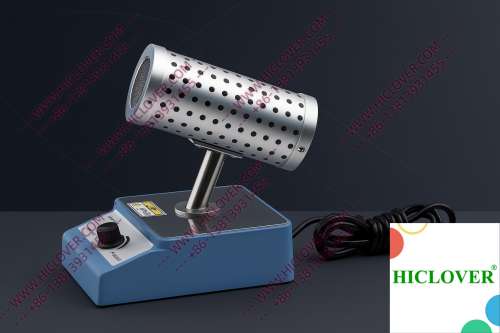
In the fast-paced world of laboratory research, where biosafety challenges and sophisticated sterilization workflows have become paramount, Beijing’s laboratories are innovating to meet both operational needs and sustainable development goals. One significant shift has been the adoption of Micro Incinerators, particularly the Infrared Inoculating Loop Sterilizer (ILS), which offers a valuable solution for modern sterilization demands.
Laboratory Biosafety Challenges
Laboratories, especially those classified under BSL-2 and BSL-3, face rigorous biosafety challenges due to the potential risk of contamination and exposure to pathogenic microorganisms. Effective sterilization is critical, ensuring that equipment, tools, and surfaces remain free from viable pathogens. Traditional flame sterilizers, such as alcohol lamps and Bunsen burners, although widely used for their simplicity, often prove insufficient for maintaining stringent biosafety standards.
Additionally, the environmental aspects of sterilization methods cannot be overlooked. In increasingly eco-conscious environments, the reliance on traditional methods that produce open flame and potentially harmful fumes raises concerns about both employee safety and environmental health. The introduction of micro incinerators aims to address these issues directly.
Technical Principle of Micro Incinerators
The micro incinerator operates using rapid thermal sterilization through an innovative design that focuses on infrared heat technology. Utilizing a sealed ceramic heating chamber, these devices achieve high temperatures quickly and efficiently, with minimal power consumption.
Unlike traditional methods, the Infrared ILS focuses on a clean-bench-safe operation, preventing the dispersal of aerosols and ensuring contamination control. The design’s enclosed ceramic tube not only provides efficient heating but also guarantees that the sterilization process can be completed in seconds without the risk of open flames engulfing surrounding materials.
Comparison Table: Micro Incinerator vs. Flame Burners
| Feature | Micro Incinerator | Flame Burners |
|---|---|---|
| Heat Source | Infrared radiation | Open flame |
| Temperature Control | Precise, rapid | Variable, less controllable |
| Safety | Low risk, no flames | High risk, potential fire hazards |
| Environmental Impact | Less impact | More fumes, less eco-friendly |
| Ease of Use | Simple, straightforward | May require training |
Application Scenarios in Real Labs
The versatility of micro incinerators enhances their applicability in different laboratory settings:
- Biosafety Cabinets: In BSL-2 laboratories, the Infrared ILS is typically integrated within biosafety cabinets to ensure that all inoculating loops and similar instruments are sterilized efficiently before sampling, minimizing the risk of cross-contamination.
- Teaching Labs: University settings often require rapid sterilization methods to ensure that practical sessions run smoothly. The micro incinerator is favored for its consistent performance, allowing students to operate in a safe environment while learning important laboratory techniques.
- Field Testing Labs: In mobile labs where space and safety are critical, the Micro Incinerator’s compact design and non-flame operation allow researchers to perform sterilizations in diverse environments effectively.
Compliance and Environmental Considerations
Globally recognized standards for laboratory sterilization, such as those set by the WHO, focus extensively on biosafety protocols. These include guidelines aimed at reducing the risk of contamination and personnel exposure to hazardous materials. The adoption of micro incinerators aligns with these standards by eliminating open flames, which are prohibited in cleanroom methodologies.
Furthermore, using such modern sterilization technologies contributes to sustainability efforts by minimizing environmental impact and providing effective, energy-efficient operations. Laboratories implementing these innovative systems can align more closely with national and international sustainability goals, reflecting a commitment to eco-friendly practices.
Frequently Asked Questions
- What are the primary advantages of using a Micro Incinerator over flame sterilizers?
Micro incinerators provide precise temperature control, enhanced safety with no open flames, and lower environmental impact—all vital for modern laboratory requirements. - Can Micro Incinerators be used in high-level biosafety labs?
Yes, Micro Incinerators are designed to meet BSL-2 and BSL-3 laboratory standards, ensuring safe and effective sterilization protocols. - How different is the sterilization speed compared to alcohol lamps?
Micro Incinerators achieve rapid sterilization in mere seconds, while traditional flame sterilizers may require longer durations to reach the required temperatures. - What maintenance does a Micro Incinerator require?
Minimal maintenance is necessary; periodic cleaning and inspection of the ceramic tube are recommended to ensure optimal performance. - Are Micro Incinerators suitable for field testing scenarios?
Absolutely! Their portable design makes them ideal for sterilization in mobile labs and field testing environments.
Conclusion
As Beijing’s laboratories strive to enhance biosafety and adopt sustainable practices, the shift towards Micro Incinerators highlights a critical evolution in laboratory sterilization methods. These devices not only provide reliable and efficient sterilization but also align with modern environmental and safety standards. For laboratories looking to upgrade their sterilization equipment or for additional inquiries, contact us today to explore our range of Micro Incinerators.
Categories:
Tags: