
In the dynamic landscape of laboratory settings, mastering biosafety challenges is paramount. The effectiveness of sterilization workflows has a direct impact on research outcomes, sensitivity in clinical diagnostics, and overall public health. In the fight against infections and contamination, the adoption of modern sterilization equipment, particularly Micro Incinerator / Infrared Inoculating Loop Sterilizers, signifies a transformative leap in laboratory standards in India.
Understanding Micro Incinerators: The Technical Principles
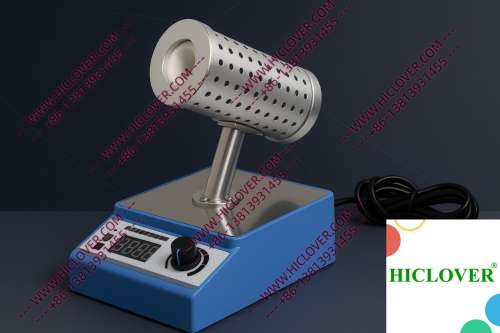
Micro Incinerators leverage cutting-edge technology to ensure rapid thermal sterilization, particularly for inoculating loops and other small tools. The core principle of these devices lies in infrared heat generation. An enclosed ceramic heating chamber efficiently produces high temperatures that can reach upwards of 800°C, providing a clean, flame-free alternative to traditional sterilizers.
This configuration allows for contamination control without the risk of flames. Using infrared radiation, these sterilizers minimize aerosol production during the sterilization process, making them particularly suitable for sensitive environments like BSL-2 and BSL-3 microbiology labs.
Advantages Over Traditional Flame Sterilizers
- Enhanced safety: No open flame eliminates fire hazards.
- Rapid sterilization: Infrared technology significantly reduces sterilization time compared to alcohol lamps and Bunsen burners.
- Environment-friendly: Minimal environmental impact due to fewer byproducts.
- Ergonomic design: Ideal for use in biosafety cabinets, ensuring user comfort and workflow efficiency.
- What materials can be sterilized using a Micro Incinerator? The Micro Incinerator is designed for sterilizing inoculating loops, needles, and other small metallic instruments.
- How does the effectiveness of an Infrared Inoculating Loop Sterilizer compare to traditional methods? Micro Incinerators provide faster, flame-free sterilization with lower aerosol production, greatly enhancing safety.
- Are Micro Incinerators suitable for BSL-2 laboratories? Yes, they are ideal for BSL-2 labs due to their enhanced safety features and compliance with biosafety guidelines.
- Can I use a Micro Incinerator for field testing? Absolutely, their lightweight and portable design make them perfect for mobile testing scenarios.
- How do I maintain a Micro Incinerator? Routine cleaning of the heating chamber and periodic checks of electrical components are recommended for optimal performance.
Application Scenarios: Real-World Laboratory Implementations
1. University Teaching Labs
Educational institutions are continually seeking optimized methods for teaching biosafety principles. In university labs teaching microbiology or biotechnology, using Micro Incinerators provides students with vital hands-on experience in contamination control. The encapsulated nature of the sterilizer ensures students are less exposed to aerosolized contaminants, fostering a culture of safety while maintaining effective learning processes.
2. Field Testing Laboratories
Field-testing labs often operate under unpredictable conditions, making easy transport and reliability rank high on their priority list. Micro Incinerators are lightweight, portable, and robust, making them ideal for mobile laboratories in rural areas. For example, in community outreach programs for disease surveillance, these devices allow health workers to conduct safe and efficient testing without the infrastructure of a full lab, driving public health forward in underserved regions.
Compliance with Biosafety Standards
Compliance with global biosafety and lab sterilization standards is crucial. According to the WHO biosafety guidelines, laboratories must employ sterilization methods that safeguard both personnel and public health. Micro Incinerators align with these standards as they inherently lack open flames, making them suitable for use in cleanrooms where traditional flame sterilizers could lead to contamination or fire risks.
In the context of regulations, these devices comply with international safety protocols, helping laboratories in India meet local regulations while contributing to a broader public health strategy.
Comparison: Micro Incinerator vs. Flame Burners
| Feature | Micro Incinerator | Flame Burners |
|---|---|---|
| Safety | Flame-free, reduced risk of fire | Risk of fire and explosion |
| Efficiency | Fast, consistent sterilization | Variable sterilization time |
| Environmental Impact | Minimal | Increased emissions from combustion |
| Aerosol Control | Low aerosol generation | High aerosol production |
Frequently Asked Questions
Conclusion
The role of Micro Incinerators in modern laboratories cannot be understated. As India strides towards improving public health, transitioning to advanced sterilization equipment paves the way for safer and more efficient laboratory operations. Organizations looking to upgrade their sterilization capabilities should consider adopting the Micro Incinerator / Infrared Inoculating Loop Sterilizer for compliance and enhanced biosafety.
For more information on understanding the benefits and procurement options of Micro Incinerators, do not hesitate to contact us today.
Categories:
Tags: