
The Philippines, known for its rich biodiversity and stunning landscapes, faces increasing challenges with waste management. In laboratories, particularly those dealing with biological materials, the demands for effective sterilization intensify, calling for innovative solutions. One such solution is the Micro Incinerator, an essential tool for ensuring biosafety and enhancing workflow efficiency in sterile environments. These portable devices not only tackle the issue of waste disposal but also align with stringent laboratory sterilization standards necessary for research and clinical settings.
Understanding Micro Incinerators
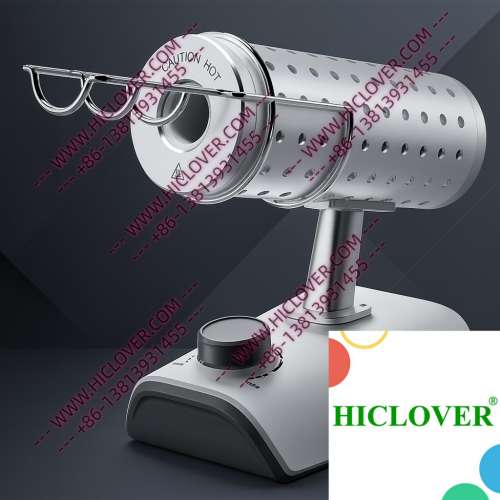
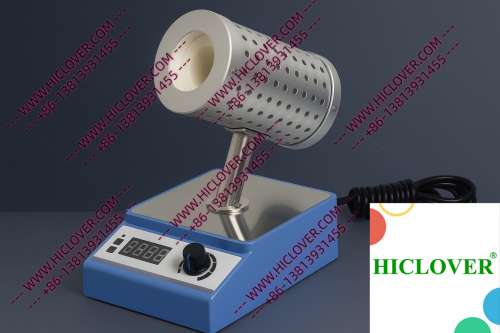
The Micro Incinerator operates on the principle of rapid thermal sterilization, utilizing an enclosed ceramic heating chamber to achieve high temperatures. Unlike traditional flame sterilizers, such as alcohol lamps and Bunsen burners, which can introduce contaminants, a Micro Incinerator provides a clean, flame-free method of sterilization. This is particularly important in settings requiring contamination control, where aerosols and open flames may pose risks.
Technical Features
- Temperature Regulation: Capable of reaching temperatures between 800°C and 1000°C, ensuring complete disinfection of inoculating loops, needles, and other laboratory tools.
- Infrared Technology: Utilizes infrared heat for quick thermal response, reducing wait times and enhancing productivity in laboratory workflows.
- Compact Design: Portable and lightweight, making it ideal for use in mobile or field testing laboratories, particularly in under-resourced regions.
- Biosafety Cabinets: In BSL-2 and BSL-3 microbiology labs, maintaining a contaminant-free environment is paramount. Micro Incinerators, placed within biosafety cabinets, allow researchers to sterilize instruments without exposing the workspace to open flames. This reduces the risk of ignition and ensures the safe handling of pathogenic samples.
- Teaching Laboratories: Universities in the Philippines, where hands-on training is critical, utilize Micro Incinerators to instruct students on proper sterilization techniques. The user-friendly design enables students to practice sterilization of inoculating loops in a controlled, safe manner, reinforcing their understanding of biosafety measures in microbiological work.
Applications of Micro Incinerators
Micro Incinerators find versatile applications across different laboratory settings. Here are two prime scenarios illustrating their utility:
Compliance and Environmental Standards
Adhering to biosafety compliance is essential for laboratories to maintain integrity and safety. The World Health Organization (WHO) promotes stringent biosafety standards, urging facilities to minimize risks associated with microbial contamination. This is particularly relevant for laboratories working with potentially infectious materials. The use of flame sterilizers in clean rooms can lead to numerous compliance issues, as open flames are often not permitted due to the risk of ignition and particulate contamination. Micro Incinerators, with their no-flame design, align perfectly with these standards, offering a safe alternative that fits seamlessly into environmental protocols.
Comparative Benefits
| Feature | Micro Incinerator | Traditional Flame Sterilizers |
|---|---|---|
| Safety | No open flames, reducing fire hazards | Open flames can ignite flammable materials |
| Contamination Control | Enclosed sterilization avoids aerosol generation | Aerosol generation may occur |
| Thermal Efficiency | Rapid heating with infrared technology | Longer heating times |
| Portability | Compact and lightweight | Typically larger and less portable |
Frequently Asked Questions
What makes the Micro Incinerator safer than a Bunsen burner?
The Micro Incinerator eliminates open flames and uses infrared heating, which reduces fire risks and aerosols, thereby enhancing laboratory safety.
Can the Micro Incinerator be used in the field?
Yes, due to its portable design, it is ideally suited for mobile and field testing labs, providing effective sterilization in diverse environments.
How does the Micro Incinerator adhere to WHO standards?
The Micro Incinerator’s flame-free operation and thorough sterilization capabilities align with WHO biosafety guidelines, ensuring safe handling of biological materials.
What types of tools can be sterilized with a Micro Incinerator?
It can sterilize inoculating loops, needles, and other laboratory equipment that require immediate disinfection before use.
Is training required to operate the Micro Incinerator?
While user-friendly, basic training on operational safety and effective sterilization practices is recommended to maximize efficiency and adherence to biosafety standards.
Conclusion
As the demand for effective laboratory sterilization rises, especially in the context of environmental protection and waste management, the Micro Incinerator stands out as a vital tool. Its numerous advantages over traditional flame sterilizers, including enhanced safety, portability, and compliance with biosafety standards, make it an excellent choice for laboratories across the Philippines and beyond. If you’re interested in upgrading your sterilization practices or exploring how the Micro Incinerator can fit into your workflow, don’t hesitate to contact us for more information or to place your order!
Categories:
Tags: