
In rural Ghana, laboratories often face significant biosafety challenges when performing essential sterilization workflows. The advent of the Micro Incinerator, particularly the Infrared Inoculating Loop Sterilizer, offers a modern solution to these pressing issues. The ability to rapidly and effectively sterilize lab equipment is crucial in a country where access to advanced sterilization methods may be limited.
Overcoming Laboratory Biosafety Challenges
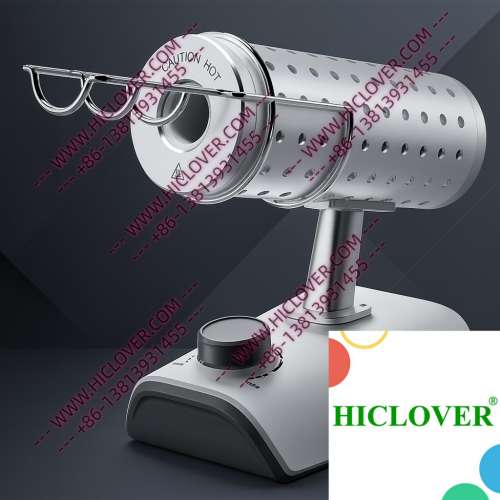
In many rural healthcare facilities and educational institutions in Ghana, maintaining a sterile environment is essential for preventing contamination and ensuring patient safety. Traditional methods of sterilization, such as alcohol lamps and Bunsen burners, while time-tested, come with risks such as open flames, which are not suitable for use in clean rooms and may pose fire hazards. Moreover, aerosol emissions from these flame-based systems can compromise air quality, making them ill-suited for sensitive laboratory environments.
Technical Principles of Micro Incinerators
The Micro Incinerator employs advanced infrared heating technology, utilizing an enclosed ceramic tube that reaches high temperatures with precision control. This technology enables rapid thermal sterilization, making it not only efficient but also eco-friendly. Unlike traditional flame sterilizers, which require constant supervision, the infrared micro incinerator is designed for safety and ease of use, allowing laboratory personnel to focus on their primary tasks without worrying about flame management or hazardous fumes.
Application Scenarios in Real Labs
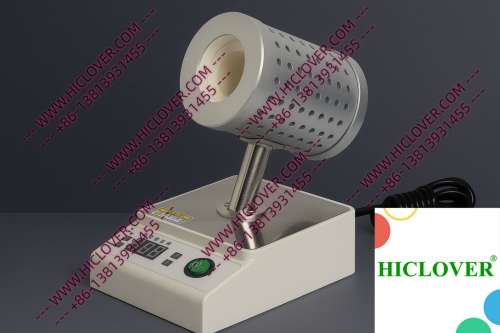
1. University Teaching Labs
In Ghana’s universities, micro incinerators facilitate hands-on training for microbiology students. For instance, during lab sessions focused on culture techniques, students use the Infrared Inoculating Loop Sterilizer to safely eliminate microbial contaminants from inoculating loops and other lab tools. The ability to perform rapid sterilizations without flames enhances the learning environment by minimizing risks associated with traditional sterilization methods.
2. Field Testing Laboratories
Field testing labs, often set up in rural areas to monitor health and environmental samples, also benefit significantly from the Micro Incinerator. Researchers can conduct tests on soil, water, and biological samples in remote locations without the need for extensive sterilization equipment. The portability and ease of operation of the Micro Incinerator allow for on-the-spot sterilization of tools to prevent cross-contamination, ensuring the integrity of test results.
Operational Compliance and Environmental Safety
Adhering to biosafety standards is critical in laboratory settings. The World Health Organization (WHO) outlines specific biosafety guidelines that emphasize the importance of maintaining a sterile environment to prevent infection spread, especially in BSL-2 and BSL-3 labs. The Micro Incinerator aligns with these standards, providing a solution that meets stringent guidelines without the risks associated with open flames.
In clean rooms and sensitive laboratory areas, the risk of particulate contamination from flames is significant. The Micro Incinerator guarantees a clean, aerosol-free handling environment, essential for compliance with laboratory sterilization standards. Utilizing advanced infrared technology, it minimizes the risk of contamination while maximizing efficiency in sterilization processes.
Advantages of Micro Incinerators Over Traditional Flame Sterilizers
| Feature | Micro Incinerator | Flame Burners |
|---|---|---|
| Safety | No open flame, minimizing fire hazards | Exposed flames require constant supervision |
| Efficiency | Rapid thermal sterilization | Longer heating times |
| Environmental Impact | Cleaner with no aerosol emissions | Produces smoke and aerosols |
| Portability | Compact and easily transportable | Larger, less convenient |
Healthcare and Educational Impacts
Introducing micro incinerators in rural Ghana not only meets laboratory sterilization needs but also empowers local communities. Improved biosafety practices lead to enhanced health outcomes, bolstering the fight against infectious diseases. Furthermore, better training in sterilization techniques fosters educational advancement, paving the way for future scientists and healthcare professionals.
Frequently Asked Questions
- Q: What is a Micro Incinerator, and how does it work?
A: A Micro Incinerator is a sterilization device that uses infrared heat to rapidly sterilize microbiological tools. It features an enclosed ceramic tube that heats up quickly to provide high-temperature disinfection.
- Q: Can Micro Incinerators be used in the field?
A: Yes, Micro Incinerators are compact and portable, making them ideal for field testing labs where sterilization is required away from conventional laboratory settings.
- Q: How do Micro Incinerators improve laboratory safety?
A: By eliminating open flames, Micro Incinerators reduce the risk of fire hazards and aerosol contaminations, adhering to biosafety standards and ensuring a safer working environment.
- Q: Are Micro Incinerators cost-effective for rural laboratories?
A: With their efficiency and durability, Micro Incinerators provide a long-term solution for rural laboratories, potentially reducing costs associated with traditional sterilization methods.
- Q: What are some alternatives to Micro Incinerators?
A: Alternatives include traditional flame sterilizers like Bunsen burners and alcohol lamps, but they do not provide the same level of safety and efficiency.
Conclusion
In conclusion, the adoption of Micro Incinerators in rural Ghana represents a significant step towards modernizing laboratory practices, improving biosafety, and empowering local communities through enhanced healthcare and education initiatives. As research centers, universities, and NGOs aim to invest in innovative sterilization technologies, Micro Incinerators stand out as a necessary and effective choice. For organizations looking to upgrade their sterilization equipment, contacting us for high-quality Micro Incinerator exports will ensure you are equipped with the best in laboratory sterilization technology.
Categories:
Tags: