
In Algeria, the rapid increase in laboratory and medical waste presents significant biosafety challenges, particularly in the fields of microbiology and clinical diagnostics. As laboratories strive to maintain sanitation standards while minimizing their environmental impact, innovative technology is stepping in to meet these demands—specifically, micro incinerators. A focal point of this technology is the Infrared Inoculating Loop Sterilizer, which stands out due to its effective and eco-friendly approach to waste treatment.
Addressing Laboratory Biosafety Challenges
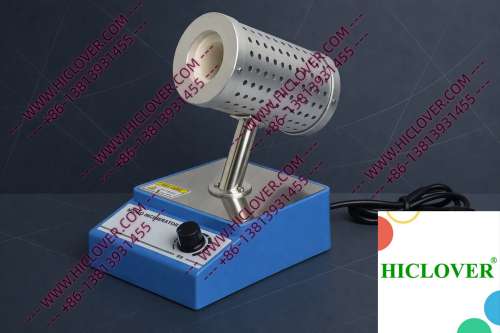
The pressing need for efficient waste treatment stems from the potential hazards associated with improperly managed laboratory waste. Traditional methods such as flame sterilizers, including alcohol lamps and Bunsen burners, often produce aerosols and environmental pollutants that compromise both safety and efficacy. In contrast, micro incinerators utilize rapid thermal sterilization within a contained environment, ensuring maximum contamination control.
Technical Principles of Micro Incinerators
Micro incinerators operate on the principle of infrared heat transfer. The design features an enclosed ceramic heating chamber that achieves high temperatures in a matter of seconds. This configuration allows for swift and thorough sterilization of inoculating loops and other equipment without the risks posed by open flames. The infrared heating technology not only results in faster cycle times but also assures consistent outcomes, making it an excellent choice for laboratory settings including BSL-2 and BSL-3 facilities.
Comparison: Micro Incinerators vs. Traditional Flame Burners
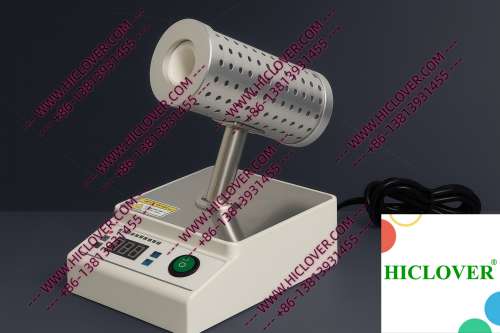
| Feature | Micro Incinerator | Flame Burners |
|---|---|---|
| Heat Source | Infrared technology | Open flames |
| Environmental Impact | Low emissions | High emissions |
| Safety | Clean-bench-safe | Risk of fire and burns |
| Operational Speed | Rapid thermal sterilization | Slower heating times |
| Aerosol Mitigation | Effective | Potential risk |
Real-World Applications in Laboratories
Micro incinerators have proven their utility across various applications, demonstrating their adaptability in different lab environments. Here are two scenarios where they excel:
- Biosafety Cabinets: In clinical diagnostics labs, the micro incinerator can be effectively utilized within biosafety cabinets to safely sterilize inoculating loops and other tools without the risk of contaminating the clean environment.
- Field Testing Laboratories: For mobile labs conducting environmental assessments or pathogen testing, micro incinerators offer a reliable means of waste treatment. Their compact design allows for easy transport and operation in diverse field conditions.
Compliance with Biosafety Standards
As the scientific community increasingly emphasizes the importance of biosafety, laboratories must comply with various international standards, including those set by the World Health Organization (WHO). The use of micro incinerators aligns with WHO’s strict guidelines on laboratory sterilization and waste management. By mitigating the risks associated with open flames, these modern sterilizers help maintain clean room integrity while meeting essential regulatory compliance for laboratory operations.
Regional Relevance in Algeria
Given Algeria’s commitment to advancing its healthcare infrastructure, the adoption of micro incinerators could significantly enhance laboratory waste management practices across the nation. By integrating efficient sterilization technology, Algeria can not only ensure improved biosafety but also lead the way toward a greener future, reducing carbon footprints and pollution levels in laboratory settings.
Frequently Asked Questions (FAQs)
- What are the benefits of using a micro incinerator in a lab setting?
Micro incinerators provide rapid sterilization without the risks associated with flames, ensuring safety and compliance with biosafety standards. - How does the infrared inoculating loop sterilizer work?
It utilizes infrared heat to achieve high temperatures quickly, allowing for efficient sterilization of instruments like inoculating loops. - Are micro incinerators suitable for all types of laboratory environments?
Yes, they are versatile and can be used in various settings, including BSL-2, BSL-3 labs, and field testing environments. - How does using a micro incinerator improve waste management?
It reduces emissions and the production of aerosols, contributing to a cleaner laboratory atmosphere and enhanced biosafety. - Can micro incinerators replace traditional flame sterilizers completely?
While they provide numerous advantages, the choice between methods depends on specific lab needs and operational protocols.
Conclusion
As Algeria moves towards a greener future, the transition to micro incinerators, particularly the Infrared Inoculating Loop Sterilizer, presents a sustainable and efficient solution for laboratory waste treatment. With their enhanced safety features, compliance with biosafety standards, and adaptability across various applications, micro incinerators hold the potential to revolutionize laboratory operations in Algeria. If you are interested in implementing this technology in your facility, please don’t hesitate to reach out for consultation and purchase inquiries.
Categories:
Tags: