
In Mozambique and around the globe, the demand for efficient and reliable sterilization methods in medical and research laboratories is at an all-time high. With rising concerns about biosafety and contamination control, medical facilities face numerous challenges in ensuring the safety of biological samples. Traditional methods, such as flame sterilizers, have been used for years; however, they come with significant drawbacks, particularly in maintaining a sterile environment.
Addressing Laboratory Biosafety Challenges
The sterilization workflow is an integral part of laboratory practices, particularly in BSL-2 and BSL-3 microbiology labs where the risk of contamination is elevated. Researchers and lab technicians often deal with various pathogens, creating a need for a highly effective sterilization process. The use of alcohol lamps and Bunsen burners, while prevalent, poses several downsides including production of aerosols, risk of fire, and potential for new contaminations from an open flame.
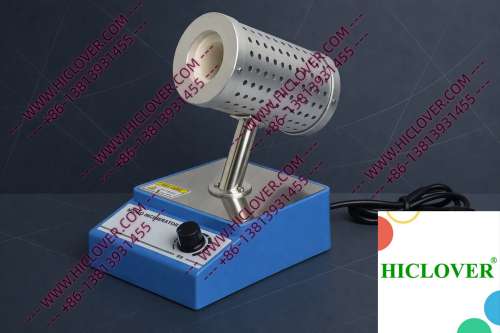
Introducing the Micro Incinerator / Infrared Inoculating Loop Sterilizer
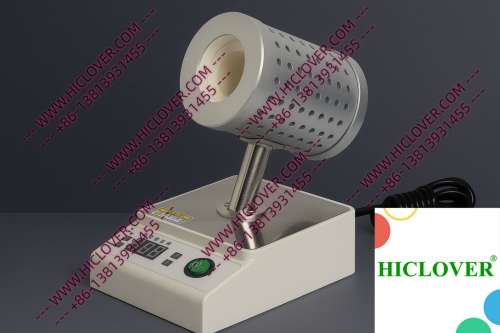
The Micro Incinerator / Infrared Inoculating Loop Sterilizer is leading the charge in modern sterilization technologies, offering an innovative solution that leverages rapid thermal sterilization principles. This device utilizes infrared heat generated within an enclosed ceramic tube to achieve high-temperature disinfection without exposing personnel or the environment to the risks associated with open flames.
Configuration-wise, the Micro Incinerator features a compact and portable design, which is particularly advantageous for Mozambique’s communities where travel to advanced research facilities may not always be possible. This portable sterilizer is equipped with a specialized heating element that allows for precise temperature control, ensuring quick and efficient sterilization of inoculating loops and other small laboratory instruments.
Real-World Applications
1. Laboratories Utilizing Biosafety Cabinets
In many clinical diagnostics and research laboratories in Mozambique, biosafety cabinets are utilized as a primary line of defense against contamination. The Micro Incinerator serves as an unparalleled tool within these cabinets, allowing for aerosol-free handling of inoculating loops. As researchers work in a controlled environment, using the Micro Incinerator minimizes the disturbance to air flow and protects samples from potential contaminants.
2. Field Testing and Teaching Labs
Mobile labs and teaching situations, particularly in remote parts of Mozambique, often struggle with consistent access to electrical power and high-quality sterilization tools. The Micro Incinerator’s compact and efficient design allows it to be used in field testing and teaching labs effectively. Instructors can demonstrate rapid sterilization techniques even in the most limited settings, enhancing educational experiences for students in microbiology.
Compliance with Biosafety Standards
Adhering to biosafety standards set by the World Health Organization (WHO) and other regulatory bodies is a critical aspect of laboratory operations. The Micro Incinerator aligns with strict laboratory sterilization standards by eliminating the need for flames in clean rooms. This device meets the criteria for operating in various biosafety environments, including laboratories holding critical research and diagnostic responsibilities.
By utilizing infrared sterilization technology, facilities can significantly reduce risks posed by flame-based methods, thus ensuring compliance with lab protocols that demand reduced exposure to hazardous materials.
Key Advantages of Micro Incinerators over Traditional Flame Sterilizers
- Aerosol-free sterilization: No open flame means reduced aerosol generation and contamination risk.
- Precise temperature control: The ceramic heating chamber provides reliable and uniform heat distribution.
- Portable design: Ideal for field testing, university teaching labs, and even mobile units.
- Enhanced safety: No flammable materials are required, reducing the risk of fire hazards.
- Rapid sterilization: Quick heating means less downtime for lab equipment.
Comparison Table: Micro Incinerator vs. Flame Burners
| Feature | Micro Incinerator | Flame Burners |
|---|---|---|
| Heat Source | Infrared | Open Flame |
| Aerosol Generation | No | Yes |
| Portability | Highly Portable | Limited |
| Safety | Safe | Risky |
Frequently Asked Questions
1. What is the principle behind infrared sterilization?
Infrared sterilization uses electromagnetic radiation in the infrared spectrum to rapidly heat and sterilize tools without the risks of open flames or chemical fumes.
2. Can the Micro Incinerator be used in field settings?
Yes, the compact design makes it suitable for use in field testing labs, mobile units, and areas with limited resources.
3. How does the Micro Incinerator ensure compliance with biosafety standards?
It eliminates the need for flames, making it compliant with WHO guidelines and various laboratory safety protocols, ensuring safer working conditions.
Conclusion
The Micro Incinerator is not just a piece of laboratory equipment; it represents the future of sterilization technology tailored for Mozambique’s healthcare and research sectors. By overcoming the limitations of traditional flame-based sterilizers, it promotes a biosafe environment crucial for modern labs and makes a significant impact on contamination control practices. For those interested in enhancing their sterilization workflows with safe, efficient, and compliant technology, now is the perfect time to consider integrating the Micro Incinerator into your laboratory setup.
Categories:
Tags: