
In the realm of laboratory biosafety, the challenge of maintaining a sterile environment is pivotal to ensuring reliable results in microbiological and clinical diagnostics. The need for efficient sterilization equipment is prominent, especially given the rigorous demands of modern lab settings, wherein every detail matters in preserving specimen integrity and preventing cross-contamination.
Understanding Infrared Technology and Ceramic Heating Chamber
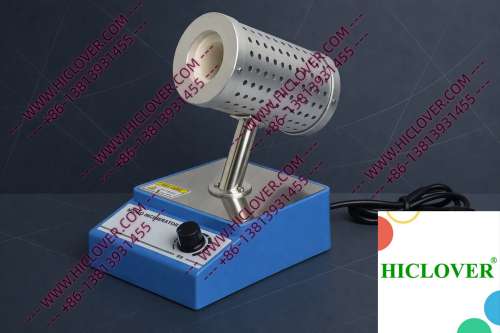
The Micro Incinerator or Infrared Inoculating Loop Sterilizer employs advanced infrared heat to provide rapid thermal sterilization. This technology enables scientists to quickly and effectively sterilize inoculating loops, needles, and other small lab instruments without the hassle associated with traditional flame sterilizers like alcohol lamps or Bunsen burners. Unlike open flames, which pose safety risks, infrared heating utilizes an enclosed ceramic tube that produces high-temperature disinfection while minimizing the release of harmful aerosols and smoke.
Key Features to Consider
- Rapid Heating Capability: Look for heaters that can reach sterilization temperatures swiftly, ideally within seconds.
- Safety Features: Consider models with automatic shut-off controls to prevent overheating.
- Energy Efficiency: Opt for sterilizers that consume less energy while maintaining high performance.
- Compact Design: Select units that are easy to integrate into your workspace, such as in a biosafety cabinet.
- No Flamethrowing Features: Ensure that the sterilizer operates without flames, mitigating risks in sterile environments.
Practical Applications in Laboratories
Micro Incinerators are particularly useful in various lab settings, facilitating safe sterilization in both routine and specialized applications:
1. Biosafety Cabinet Situations
Within BSL-2 and BSL-3 microbiology labs, sterility is non-negotiable. Using an Infrared Inoculating Loop Sterilizer provides a flame-free alternative that aligns with stringent biosafety protocols. These units promote aerosol-free handling of sterilization tools, crucial for protecting delicate cultures while ensuring laboratory personnel remain safe from contamination hazards.
2. Field Testing and University Teaching Labs
In mobile laboratories conducting field testing, portability and efficiency are crucial. Micro Incinerators serve scientists in the field well, providing quick turnaround sterilization of tools even in non-traditional lab environments. Furthermore, they are ideal for university teaching labs where students need to learn about sterilization techniques without the risk of handling flames, ensuring a safe educational experience.
Compliance and Environmental Considerations
The integration of these sterilizers into laboratory workflows doesn’t just enhance functionality; it also ensures compliance with health regulations. Adhering to the World Health Organization (WHO) biosafety guidelines and laboratory sterilization standards are vital for quality control. Moreover, since traditional flame-based sterilization can compromise clean room protocols by releasing contaminants, infrared sterilizers help maintain a clean, controlled environment conducive to high-stakes experiments.
“For laboratories focused on contamination control, the clean-bench-safe Micro Incinerator truly redefines safety and efficiency.”
Comparative Analysis: Micro Incinerator vs. Flame Burners
| Feature | Micro Incinerator | Flame Burners |
|---|---|---|
| Heating Technology | Infrared | Open Flame |
| Speed of Sterilization | Seconds | Up to minutes |
| Smoke Production | Low | High |
| Risk of Contamination | Reduced | Higher |
| Energy Consumption | Efficient | Inefficient |
FAQs About Micro Incinerators
What is the advantage of using a Micro Incinerator over a traditional flame sterilizer?
Micro Incinerators offer rapid thermal sterilization with lower smoke emissions and reduced contamination risks, making them ideal for sensitive lab environments.
Are there specific guidelines for using sterilizers in biosafety cabinets?
Yes, sterilizers must be compatible with biosafety cabinet protocols, ensuring that they do not compromise airflow or introduce aerosols into the environment.
How often should I calibrate my Micro Incinerator?
It is advisable to calibrate your Micro Incinerator regularly, ideally every six months, to maintain its efficacy and ensure compliance with lab standards.
Can Micro Incinerators be used in field testing laboratories?
Absolutely! Their portability and efficiency make them an excellent choice for mobile laboratories conducting field tests.
What should I look for in a manufacturer of sterilizers?
Seek manufacturers with a strong reputation for quality, customer service, and compliance with international sterilization standards.
Conclusion
In summary, investing in a low smoke sterilizer heater, such as a Micro Incinerator / Infrared Inoculating Loop Sterilizer, is essential for laboratories seeking to enhance their sterilization workflows while upholding stringent safety protocols. By prioritizing features like rapid heating, safety considerations, and low smoke emissions, labs can improve both productivity and compliance.
If you’re looking to procure high-quality sterilization solutions or need more information on optimizing your laboratory’s sterilization process, do not hesitate to contact us today for personalized support and purchasing options.
Categories:
Tags: