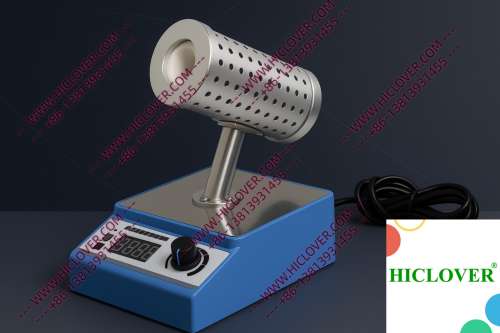
As laboratories continue to evolve in their operational needs, the demand for effective sterilization methods has become paramount. Traditional flame sterilizers like alcohol lamps and Bunsen burners pose significant biosafety challenges, including open flames, aerosol generation, and potential contamination risks. These concerns make it crucial to explore modern alternatives that meet the rigorous demands of laboratory environments.
The Technical Principle Behind Infrared Sterilizers
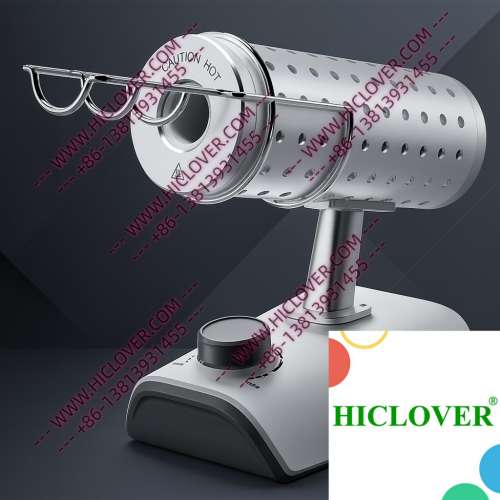
The Micro Incinerator, also known as the Infrared Inoculating Loop Sterilizer, represents a revolutionary shift in sterilization technology. Utilizing infrared heat, this device offers rapid thermal sterilization by generating temperatures up to 850°C within a compact, enclosed ceramic heating chamber. Unlike traditional methods, which may produce hazardous aerosols during heating, infrared sterilizers provide a clean-bench-safe solution that minimizes potential contamination.
The operational configuration of the Micro Incinerator features an easily replaceable ceramic tube, which effectively contains heat and prevents the risk of unintended ignition. This design ensures that only the sterilization target undergoes exposure to high temperatures, thus improving overall safety during laboratory work.
Application Scenarios in Real Laboratory Environments
1. Biosafety Cabinets: In BSL-2 and BSL-3 microbiology labs, where handling pathogens becomes a norm, using the Micro Incinerator significantly reduces contamination risks. By integrating this device within a biosafety cabinet, researchers can sterilize inoculating loops without introducing flames into a closed environment, ensuring compliance with strict safety standards.
2. Field Testing: In mobile laboratory settings or field test environments, the reliance on traditional flame sterilizers can be impractical or hazardous. The Micro Incinerator’s portability and ease of use allow field researchers to safely sterilize their equipment without the constraints of needing fuel or external power sources. This capability enhances operational efficiency and safety when working in variable conditions.
Compliance and Environmental Considerations
Compliance with global biosafety standards is crucial for laboratories to ensure safe operational practices. The World Health Organization (WHO) emphasizes the importance of eliminating open flames in clean room environments to prevent potential hazards and contamination. Adoption of infrared sterilizers not only enhances compliance with lab sterilization standards but also supports sustainability efforts by reducing the need for combustible materials.
| Feature | Micro Incinerator | Traditional Flame Sterilizers |
|---|---|---|
| Heat Source | Infrared Heating | Open Flame |
| Contamination Risk | Low (aerosol-free) | High (aerosol generation) |
| Response Time | Rapid (seconds) | Moderate (minutes) |
| Safety | Safe for Clean Rooms | Hazardous |
Advantages of Micro Incinerator Over Traditional Flame Sterilizers
Transitioning from flam-based sterilizers to infrared options offers several advantages:
- Rapid thermal sterilization: The Micro Incinerator achieves temperature quickly, allowing for a more efficient workflow.
- Contamination control: The enclosed design minimizes aerosol risks, making it ideal for sensitive lab settings.
- Energy efficient: Infrared technology consumes less energy compared to maintaining traditional flame sources.
- Operational flexibility: Suitable for various laboratory applications, from clinical diagnostics to educational settings.
Frequently Asked Questions
What is the main benefit of using a Micro Incinerator?
The primary benefit is its ability to provide quick and effective sterilization without the hazards associated with open flames, thus enhancing laboratory safety and compliance with biosafety standards.
Can the Micro Incinerator be used in remote locations?
Yes, its portable design allows for easy use in field testing and remote laboratory environments, eliminating the need for fuel or external power.
How does infrared sterilization compare to traditional methods?
Infrared sterilization works faster and offers better contamination control, significantly reducing the risk of aerosol generation associated with flames.
Is the Micro Incinerator compliant with WHO standards?
Yes, it aligns with WHO recommendations by eliminating open flames in clean-room environments, thus maintaining sterile conditions.
How long does it take to reach sterilization temperature?
The Micro Incinerator typically achieves sterilization temperatures within seconds, offering a rapid solution for laboratory needs.
Conclusion
The rise of Micro Incinerators and infrared inoculating loop sterilizers marks a significant advancement in laboratory sterilization technology. By addressing the biosafety challenges associated with traditional flame sterilizers, these modern devices enhance operational workflows and environmental compliance. For laboratories seeking effective, safe sterilization solutions, the Micro Incinerator presents an ideal choice.
For more information on our product offerings or to make a purchase, feel free to contact us today. Let’s enhance your laboratory’s safety and efficiency with cutting-edge sterilization technology.
Categories:
Tags: