
In today’s laboratory environments, maintaining stringent biosafety standards is more critical than ever. With the increasing workload on laboratory personnel, the demands for effective sterilization methods have risen. Traditional methods such as alcohol lamps and Bunsen burners often fall short in providing safe, efficient, and consistent sterilization results. Enter the Micro Incinerator, a specialized piece of laboratory sterilization equipment designed to streamline the sterilization workflow and enhance contamination control.
Understanding the Technical Principles of Micro Incinerators
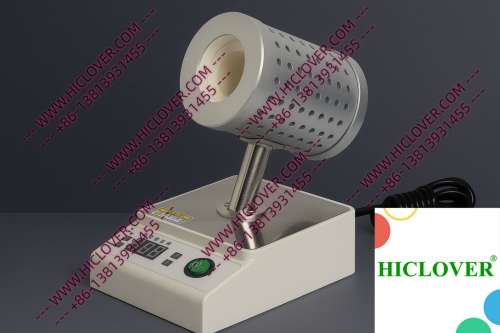
The Micro Incinerator operates on the principle of rapid thermal sterilization through infrared heat. Enclosed within a robust ceramic heating chamber, the device transfers high temperatures directly to the inoculating loop or tool being sterilized. This method not only ensures the complete eradication of pathogens but also eliminates the potential risks associated with open flames in laboratory settings, especially in clean rooms or high-containment environments.
- Infrared Heating: Provides uniform temperature distribution, ensuring efficient sterilization.
- Ceramic Tube: High-temperature ceramic material offers longevity and durability.
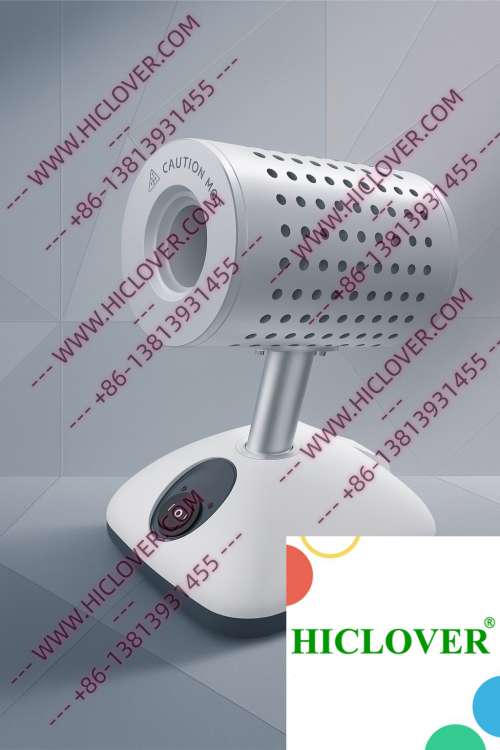
- Compact Design: Facilitates easy transport and storage, making it ideal for mobile labs.
Applications in Real Laboratory Settings
Micro Incinerators are highly versatile, making them suitable for various laboratory applications. Here are two distinct scenarios illustrating their practical use:
1. Biosafety Cabinets in Clinical Diagnostics
In settings such as BSL-2 or BSL-3 microbiology labs, where clinical diagnostic tests are performed, the need for effective sterilization cannot be overstated. Using a Micro Incinerator within a biosafety cabinet enables laboratory personnel to maintain a sterile workspace while handling infectious materials. The device ensures rapid sterilization of inoculating loops, thereby minimizing the risk of cross-contamination and safeguarding both personnel and patient safety.
2. Teaching Labs in Universities
Academic institutions often deal with high student-to-teacher ratios in their microbiology or biology courses, which places additional stress on laboratory instructors to ensure compliance with safety protocols. By integrating Micro Incinerators into university teaching labs, educators can demonstrate safe sterilization practices without the inherent risks of traditional flame sources. This technology not only enhances learning experiences but also fosters a culture of safety and responsibility among budding scientists.
Compliance and Environmental Considerations
The World Health Organization (WHO) emphasizes the importance of biosafety in laboratory settings, particularly in resource-limited environments. The Micro Incinerator adheres to international lab sterilization standards, effectively meeting guidelines that govern laboratory safety. Here’s a brief overview of its compliance features:
- No open flames in clean rooms: Ensures a safe working environment free of hazardous flames.
- Minimal aerosols: The design minimizes aerosol production, reducing airborne contaminants.
- Rapid sterilization: Fast cycle times conform to laboratory efficiency standards.
These features not only enhance laboratory safety but also contribute to environmental sustainability, addressing France’s waste management challenges by reducing harmful emissions associated with traditional sterilization methods.
Micro Incinerator vs. Traditional Flame Sterilizers
| Feature | Micro Incinerator | Traditional Flame Sterilizer |
|---|---|---|
| Heat Source | Infrared / Ceramic | Open Flame |
| Safety | Clean-bench-safe | Risk of burns and contamination |
| Efficiency | Rapid thermal sterilization | Long heat-up times |
| Ease of Use | Compact and user-friendly | Requires skill to operate |
FAQs about Micro Incinerators
1. What are the main benefits of using a Micro Incinerator over flame sterilizers?
The Micro Incinerator provides greater safety, efficiency, and consistency in sterilization. It eliminates the hazards associated with flames, reduces the risk of contamination, and can sterilize equipment quicker than traditional methods.
2. How does the Micro Incinerator ensure compliance with biosafety standards?
Its design minimizes aerosol production and eliminates open flames, adhering to WHO biosafety guidelines and promoting a safe working environment.
3. Is the Micro Incinerator suitable for field testing?
Yes, its compact and portable design makes it an excellent choice for mobile or field testing labs.
4. Can the Micro Incinerator be used in higher containment labs?
Absolutely! It is compliant with BSL-2 and BSL-3 standards, making it viable for high-containment laboratory operations.
5. How often should the Micro Incinerator be maintained?
Regular maintenance is recommended based on usage frequency. Be sure to follow the manufacturer’s guidelines for best results.
Conclusion
In conclusion, the Micro Incinerator represents a significant advancement in laboratory sterilization technology. Addressing both the operational needs of modern labs and lab safety standards, this device is suitable for a wide range of applications—from university teaching labs to high-stakes clinical environments. If you are considering modernizing your sterilization equipment, contact us today to learn more about our Micro Incinerator. Transform your laboratory sterilization processes and contribute to a safer, cleaner future.
Categories:
Tags: