
In the modern landscape of laboratory research and clinical diagnostics, professionals face substantial challenges in maintaining biosafety standards during sterilization processes. Traditional methods such as alcohol lamps or Bunsen burners pose significant risks in terms of fire safety, contamination, and inefficient sterilization. As a result, innovative solutions like the Micro Incinerator and Infrared Inoculating Loop Sterilizer have emerged, offering a sustainable and efficient alternative to tail the ever-evolving demands of laboratory workflows.
Technical Principles of Micro Incineration
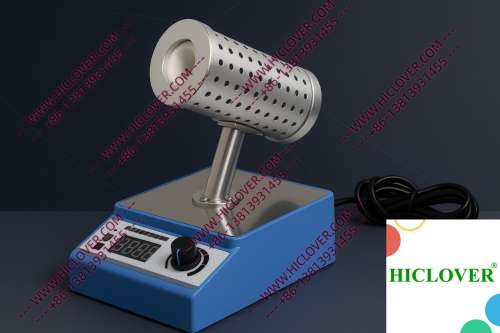
The Micro Incinerator operates on the principle of rapid thermal sterilization using infrared heat. Unlike traditional flame-based systems, which can lead to inconsistencies in temperature and potential contamination, the micro incinerator utilizes a ceramic heating chamber that can achieve high temperatures quickly and uniformly. This enclosed system not only ensures effective sterilization of inoculating loops but also minimizes the risk of aerosol generation during the process.
With its portable design, the Micro Incinerator fits seamlessly into various laboratory environments such as BSL-2 and BSL-3 microbiology labs, field testing facilities, and academic teaching labs. The ability to use this sterilization equipment with high efficiency allows labs to enhance their biosecurity measures while managing various waste treatment challenges.
Applications in Real Labs
Two prominent application scenarios for the Micro Incinerator illustrate its versatility and reliability:
- Biosafety Cabinets: In clinical diagnostics, conducting experiments under biosafety cabinets is crucial for preventing contamination. The micro incinerator can be integrated into these setups, allowing quick sterilization of inoculating equipment without the hazards associated with open flames.
- Field Testing Labs: When researchers operate in remote areas, the challenge of sterilizing equipment efficiently becomes paramount. The portable Micro Incinerator’s lightweight design and independence from electrical sources ensure that researchers can maintain rigorous sterilization protocols while on-field, significantly improving their workflow.
Compliance and Environmental Considerations
Adhering to biosafety standards set forth by organizations like the World Health Organization (WHO) is essential in laboratories. The Micro Incinerator complies with international laboratory sterilization standards, making it an ideal choice for environments that prioritize contamination control and safety. Importantly, its design eliminates open flames, making it suitable for use in clean rooms and other sensitive areas.
By adopting such technology, laboratories also take significant steps towards more environmentally friendly practices. Eliminating the use of flammable substances not only reduces the risk of fires but also contributes to a shift necessary for sustainable waste management in scientific research.
Advantages of Micro Incinerators Over Traditional Flame Sterilizers
| Feature | Micro Incinerator | Flame Sterilizers |
|---|---|---|
| Contamination Control | Enclosed ceramic heating chamber | Open flames prone to contamination |
| Environmental Safety | No open flames, less risk of fire | Higher risk of igniting combustible materials |
| Ease of Use | Portable and lightweight design | Requires additional fuel and setup time |
| Rapid Sterilization | Immediate high-temperature disinfection | Variable heating times |
Frequently Asked Questions
What is a Micro Incinerator?
A Micro Incinerator is an advanced sterilization device that employs infrared heat to rapidly and effectively sterilize laboratory equipment like inoculating loops, ensuring compliance with biosafety standards.
Where can I use micro incinerators?
Micro Incinerators can be utilized in various environments, including biosafety cabinets, field-testing labs, and academic laboratories, making them a versatile option for any scientific research facility.
How does a Micro Incinerator compare to traditional flame sterility methods?
In comparison to traditional methods, Micro Incinerators provide improved contamination control, enhanced environmental safety, and quicker sterilization times, avoiding many issues linked with open flames.
Are Micro Incinerators compliant with WHO biosafety standards?
Yes, Micro Incinerators meet the requirements set by international biosafety and laboratory sterilization standards, making them suitable for use in high-compliance laboratories.
Can the Micro Incinerator be used for fieldwork?
Absolutely! Its lightweight and portable design allows it to be used in mobile and remote environments, providing reliable sterilization in the field.
Conclusion
As laboratories in Delhi and around the world adapt to the changing demands of biosafety and sterilization, the Micro Incinerator stands out as a pioneering solution. By providing effective, safe, and eco-friendly sterilization methods, these advanced devices redefine the waste treatment landscape in scientific research.
Ready to enhance your laboratory’s sterilization efficacy? Contact us today to explore how our Micro Incinerator / Infrared Inoculating Loop Sterilizer can streamline your workflows while ensuring compliance and safety.
Categories:
Tags: