
Laboratory settings, particularly in Sri Lanka, face numerous biosafety challenges, including the need for efficient sterilization methods to control contamination. In a world increasingly focused on rapid responses to health crises, maintaining sterile work environments is critical for accurate research outcomes. Enter the Micro Incinerator, specifically the Infrared Inoculating Loop Sterilizer, which presents a revolutionary solution to sterilization workflows in laboratories.
Understanding Micro Incinerators: The Technical Principles
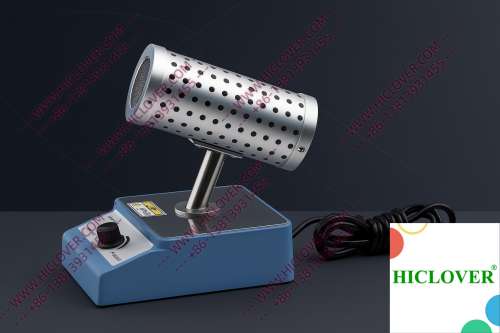
The Micro Incinerator operates on the principle of rapid thermal sterilization using infrared heat. Its enclosed ceramic heating chamber reaches high temperatures swiftly, allowing for effective disinfection of inoculating loops, tools, and other laboratory equipment. Unlike traditional flame sterilizers, such as alcohol lamps and Bunsen burners, this device provides a clean, flame-free sterilization option, thereby minimizing the risk of contamination and enhancing safety in laboratories, especially those operating under Biosafety Level 2 (BSL-2) and Biosafety Level 3 (BSL-3) guidelines.
A key feature of the Micro Incinerator is its aerosol-free handling, which is vital in clean rooms where airborne pathogens pose significant threats to health. The infrared technology used allows for immediate heating, which not only increases efficiency but also significantly reduces waiting times between sterilization cycles. By providing a controlled environment for sterilization, the Micro Incinerator enhances the overall workflow in busy labs.
Applications of Micro Incinerators in Sri Lankan Laboratories
The versatility of Micro Incinerators ensures their applicability in various laboratory settings. Below are two significant application scenarios:
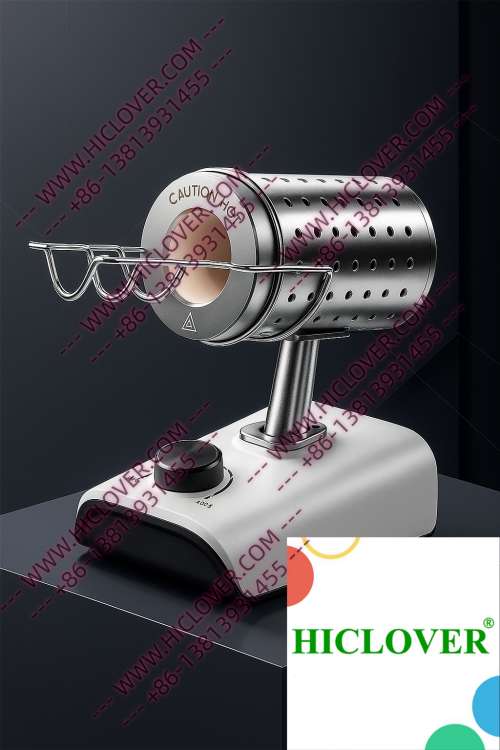
- Biosafety Cabinets: In many research labs, biosafety cabinets are essential for handling pathogen samples. Employing a Micro Incinerator within these cabinets allows for quick sterilization of inoculating loops used for culturing bacteria without the risk of flaming contaminants. This practice boosts safety and compliance with stringent biosafety standards.
- Field Testing: In the local context, mobile testing units for health diagnostics can reap the benefits of Micro Incinerators. Health professionals conducting field tests can efficiently sterilize their equipment on-site, disregarding the need for flammable liquids – crucial in areas where fire hazards may be a concern.
Ensuring Compliance and Safety in Lab Settings
In Sri Lanka, adhering to international biosafety standards is imperative for both public health and research integrity. The World Health Organization (WHO) underscores the importance of contamination control, particularly in handling biological materials. Using a Micro Incinerator not only helps in complying with these safety standards but also aligns with lab sterilization guidelines that dictate no open flames in clean rooms. Laboratories equipped with high-temperature infrared sterilizers contribute positively to their operational standards by reducing the risks associated with traditional flame sterilizers.
Advantages of Micro Incinerators Over Traditional Flame Sterilizers
The advantages of using Micro Incinerators over traditional methods cannot be overstated. Here’s a comparison:
| Feature | Micro Incinerator | Traditional Flame Sterilizers |
|---|---|---|
| Safety | No flames; reduces fire hazards | Open flames; higher risk of burns |
| Speed | Rapid thermal sterilization | Longer heating times |
| Portability | Lightweight, suitable for field use | Often bulky and less mobile |
| Operational Environment | Clean-bench-safe | Not suitable for clean rooms |
Regional Importance: Sri Lanka’s Push for Innovation in Laboratories
Sri Lanka is making significant strides in its laboratory practices, especially with the implementation of new technologies like the Micro Incinerator. As local universities, research centers, and clinics embrace enhanced lab safety practices, the demand for this innovative sterilizer has surged. Efforts to modernize sterilization methods align with global trends and the need for safer laboratory environments amid various health challenges.
FAQs about Micro Incinerators
- What is a Micro Incinerator?
A Micro Incinerator is an efficient sterilization device that uses infrared heat for rapid thermal sterilization in laboratory settings. - How does it compare to flame sterilizers?
It offers a safer, faster, and clean-bench-safe alternative with reduced risk of contamination. - Can it be used in mobile or field testing labs?
Yes, its lightweight and portable design make it ideal for field testing applications. - Are Micro Incinerators compliant with WHO biosafety standards?
Yes, they meet strict laboratory sterilization guidelines, ensuring safe handling of biological materials. - What types of labs can benefit from Micro Incinerators?
Biosafety labs, teaching labs, and mobile testing units can all take advantage of this innovative technology.
Conclusion: Transforming Laboratory Practices in Sri Lanka
The introduction of Micro Incinerators in Sri Lankan laboratories signifies a transformative approach to sterilization. This innovative technology enhances laboratory safety, accelerates workflows, and meets global biosafety compliance standards. If you are considering upgrading your sterilization methods or wish to learn more about the benefits of implementing this technology, feel free to contact us for more information or to explore purchasing options. Together, we can pave the way for safer, more efficient laboratory environments in Sri Lanka.
Categories:
Tags: