
In laboratories across Singapore, the quest for enhanced biosafety is paramount. With biosafety standards tightening, researchers and laboratory technicians face the challenge of efficiently achieving contamination control without compromising efficiency or safety. The rise of innovative sterilization technologies, specifically the Micro Incinerator / Infrared Inoculating Loop Sterilizer, is making significant strides in addressing these challenges. This article explores how this advanced sterilization equipment is reshaping the laboratory landscape in Singapore.
Challenges in Contemporary Laboratory Sterilization
As Singapore continues to position itself as a biosciences hub, laboratories are experiencing increased demands for effective sterilization protocols. The risks associated with microbial contamination can jeopardize research outcomes and patient safety, especially in BSL-2 and BSL-3 environments dealing with infectious agents. Traditional sterilization methods such as alcohol lamps and Bunsen burners present several disadvantages, including:
- Inconsistent heating
- Potential for flame hazards in clean environments
- Time-consuming workflows
- Increased aerosol generation
- Consistent Heat Distribution: Ensuring that inoculating loops or other instruments reach optimal sterilization temperatures quickly.
- Aerosol-Free Handling: Reducing the risk of airborne contamination compared to open flame methods.
- Room Safety: No open flames alleviate fire risks within biosafety cabinets or clean rooms.
These challenges highlight the urgent need for laboratory sterilization equipment that not only meets compliance standards but also enhances workflow efficiency. Enter the Micro Incinerator, designed for precision and convenience.
Technical Overview of Micro Incinerators
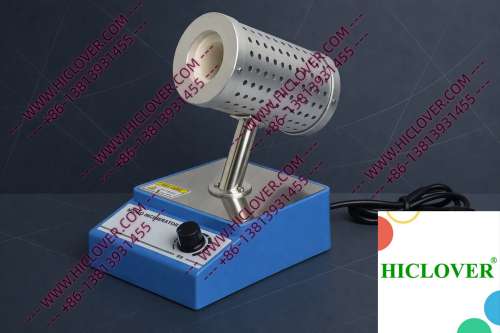
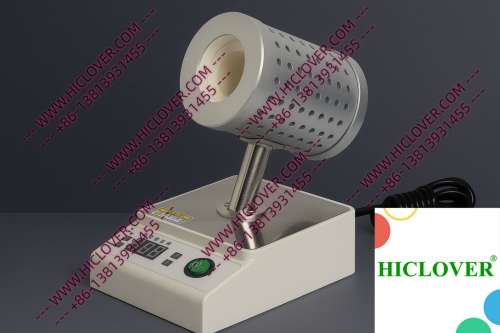
The Micro Incinerator employs advanced infrared technology to eliminate potential pathogens rapidly. Utilizing a ceramic heating chamber, it generates high temperatures that provide reliable thermal sterilization. The enclosed design ensures:
This technology significantly reduces sterilization times while improving safety protocols within the laboratory. Its compact and portable configuration makes it ideal for various laboratory settings.
Applications of Micro Incinerators in Singaporean Laboratories
Micro Incinerators are versatile and can be applied in multiple laboratory contexts. Here are two notable application scenarios:
1. Biosafety Cabinets in Clinical Diagnostics
In clinical diagnostics laboratories, maintaining a sterile environment is critical for accurate results. The Micro Incinerator can be safely used inside biosafety cabinets, providing rapid thermal sterilization of inoculating loops and other small instruments. This integration ensures that all instruments are free from contamination before they interact with patient samples, further enhancing the reliability of diagnostic results.
2. Teaching Laboratories in Universities
In academic institutions, teaching laboratories must prioritize safety while providing students with hands-on experience in microbiological techniques. The Micro Incinerator serves as an ideal solution, allowing students to understand sterilization processes without the inherent risks associated with open flames. Its user-friendly design enables educators to demonstrate safe microbiological practices effectively.
Compliance and Environmental Considerations
With the World Health Organization (WHO) and local Singaporean regulations advocating stringent biosafety measures, laboratories are required to adopt sterilization practices that meet high standards. The Micro Incinerator’s design aligns with these requirements:
“In laboratory settings, the necessity for flame-free sterilization methods has become essential for compliance within clean rooms and BSL environments.”
Moreover, the elimination of open flames means there’s less risk of fire and fewer volatile organic compounds released into the laboratory environment. As Singapore continues to promote sustainable practices, the adoption of technologies that prioritize safety and environmental consciousness is vital.
Micro Incinerator vs. Flame Burners: A Comparison
| Feature | Micro Incinerator | Flame Burners |
|---|---|---|
| Heating Method | Infrared radiation | Combustion |
| Safety | No open flames | Risk of fire |
| Contamination Risk | Aerosol-free | High |
| Heating Time | Rapid (<10 seconds) | Variable (30 seconds or more) |
| Maintenance | Low | Higher |
FAQs about Micro Incinerators
What are the main benefits of using a Micro Incinerator for sterilization?
The Micro Incinerator provides rapid thermal sterilization, improved safety (no open flames), reduced contamination risk, and enhanced workflow efficiency in laboratories.
Can Micro Incinerators be used in BSL-2 and BSL-3 laboratories?
Yes, they are designed to meet stringent biosafety standards, making them suitable for BSL-2 and BSL-3 laboratory settings.
Are there any training requirements for using a Micro Incinerator?
While they are user-friendly and safe, basic training on operation and safety protocols is recommended, especially in academic settings.
How does a Micro Incinerator compare to traditional flame sterilizers in terms of cost?
While initial costs may be higher, the long-term benefits of decreased maintenance, increased safety, and improved turnaround times often lead to cost savings.
Where can I purchase a Micro Incinerator in Singapore?
Micro Incinerators can be sourced from laboratory supply distributors and specialized medical equipment suppliers operating within Singapore.
Conclusion
The transformation of sterilization practices in laboratories across Singapore is driven by the need for greater safety, efficiency, and compliance with international standards. The Micro Incinerator / Infrared Inoculating Loop Sterilizer offers a revolutionary solution, standing out against traditional methods. As the landscape of laboratory biosafety evolves, we encourage laboratories and research facilities looking to upgrade their sterilization processes to consider the significant advantages of investing in advanced sterilization technologies. For more details or to make a purchase, feel free to contact us!
Categories:
Tags: