
Laboratories worldwide face increasing challenges when it comes to biosafety and effective sterilization techniques. Traditional methods of sterilization, such as alcohol lamps and Bunsen burners, while widely used, present significant risks concerning contamination and safety, especially in high-stakes environments such as BSL-2 and BSL-3 microbiology labs. To address these challenges, innovative solutions like the Micro Incinerator or Infrared Inoculating Loop Sterilizer have gained traction in Australia.
Understanding Micro Incinerators: A Technical Overview
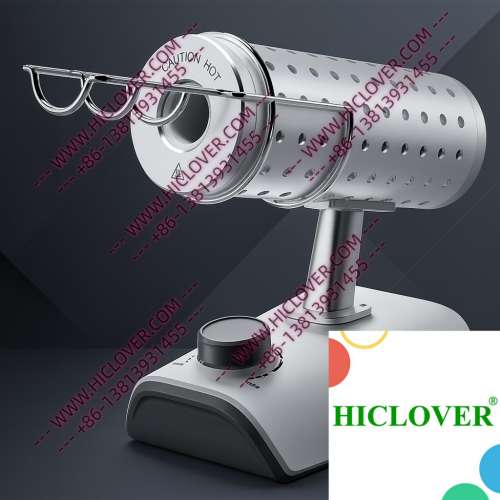
The Micro Incinerator is a sophisticated sterilization device that employs infrared heat for rapid thermal sterilization. It features an enclosed ceramic heating chamber that generates high temperatures, essential for ensuring effective disinfection. By harnessing infrared technology, this device allows for efficient, clean-bench-safe handling of inoculating loops and other laboratory tools, reducing the risk of aerosol contamination.
One of the key advantages of the Micro Incinerator lies in its compact design, making it ideal for use within the confines of a biosafety cabinet. The infrared heating mechanism eliminates the need for an open flame, significantly lowering the risk of fire hazards in clean room environments. The result is a sterilization process that is both fast and efficient, consuming less time than traditional flame sterilizers.
Applications of Micro Incinerators in Real Labs
1. University Teaching Labs
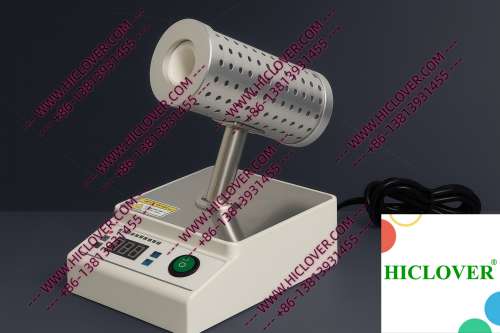
In university teaching labs, where students learn microbial techniques, the safety of both learners and available resources is paramount. The Micro Incinerator offers an ideal solution for sterilizing inoculating loops during experiments involving bacterial cultures. Unlike Bunsen burners, which require extensive maintenance, the Micro Incinerator’s design promotes ease of use and ensures that students can focus on procedures without the distraction of handling open flames.
2. Clinical Diagnostics and Field Testing Labs
For clinical diagnostics labs, maintaining a sterile environment is vital to preventing contamination of samples. The Micro Incinerator serves as a reliable tool for rapid sterilization of tools in situations where efficiency is crucial, such as during sample processing or in mobile field testing labs. Being flame-free, it significantly enhances the safety of operating within CO2 incubators or anaerobic chambers, ensuring compliance with health and safety regulations.
Compliance and Environmental Considerations
Meeting compliance standards is a fundamental aspect of laboratory operations. In Australia, laboratories are required to adhere to various biosafety regulations laid out by the World Health Organization (WHO) and local governing bodies. The Micro Incinerator stands out as a compliant solution for sterilization, as it efficiently addresses the limitations of traditional flame sterilization in clean rooms.
- No open flame reduces the risk of ignition in sensitive environments.
- Capable of achieving temperatures that facilitate high-temperature disinfection.
- Aligned with standards for sterilization procedures to prevent cross-contamination.
Furthermore, with the growing emphasis on environmental sustainability, adopting Micro Incinerators aids in minimizing waste and optimizing workspace efficiency, thereby contributing to more sustainable lab practices in Australia.
Comparison: Micro Incinerator vs. Traditional Flame Sterilizers
| Feature | Micro Incinerator | Flame Sterilizers |
|---|---|---|
| Heat Source | Infrared | Open Flame |
| Safety | No risk of fire hazards | High risk of burns and fires |
| Speed | Rapid sterilization | Slower, requires manual adjustments |
| Contamination Control | Aerosol-free handling | Increased risk of aerosols |
FAQs About Micro Incinerators
- What materials can be sterilized using a Micro Incinerator?
Micro Incinerators are effective for sterilizing metal inoculating loops, forceps, and other reusable lab equipment. - How does the Micro Incinerator ensure safety in a laboratory environment?
The design eliminates the potential for open flames, significantly reducing fire hazards and preventing accidental burns. - Is prior training necessary to operate a Micro Incinerator?
While the device is user-friendly, basic training is recommended to maximize safety and efficiency during use. - Can the Micro Incinerator be used in field testing environments?
Absolutely! Its portable design makes it suitable for a range of field testing applications without compromising biosafety standards. - How does the Micro Incinerator compare environmentally to traditional methods?
The Micro Incinerator produces less waste and limits the release of harmful byproducts, qualifying it as a more sustainable option for laboratory sterilization.
Embrace the future of laboratory sterilization with the Micro Incinerator! It offers a systematic and safe approach that enhances workflow while complying with strict biosafety standards.
Conclusion: Elevating Laboratorial Practices
As laboratory operations continue to evolve, the introduction of innovative solutions such as the Micro Incinerator empowers labs in Australia and beyond to achieve higher standards of safety and efficiency. By selecting modern sterilization equipment, institutions enhance their capabilities while retaining strict adherence to compliance standards and improving workflow. Interested in revolutionizing your laboratory’s sterilization process? Contact us today for more information on how the Micro Incinerator can fit your needs!
Categories:
Tags: