
In the realm of laboratory work, biosafety challenges are a significant concern, particularly in Egypt where the demand for effective sterilization methods is critical. With a surge in research and clinical diagnostics, laboratories are often faced with the persistent issue of contamination control. As a result, the sterilization workflow demands have heightened, prompting the search for efficient solutions that align with both safety and sustainability standards. Enter micro incinerators, specifically the Micro Incinerator / Infrared Inoculating Loop Sterilizer.
Technical Principles of Micro Incinerators
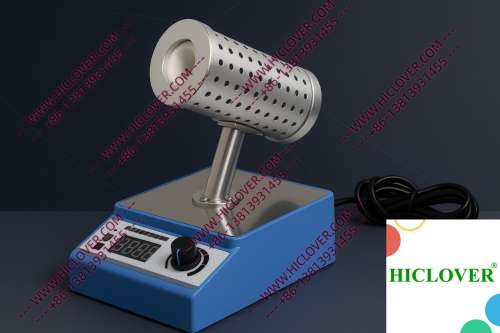
Micro incinerators utilize the principle of rapid thermal sterilization through infrared heat. Unlike traditional methods such as alcohol lamps or Bunsen burners that risk open flames and soot contamination, the Micro Incinerator offers a contained, efficient means of achieving high-temperature disinfection.
The design includes an enclosed ceramic heating chamber that emits concentrated infrared heat. This technology ensures that the inoculating loops or other tools are sterilized quickly, effectively killing pathogens while minimizing the risk of aerosol formation in clean bench environments. Because the heat is generated in a focused manner, users can maintain stringent contamination control protocols even in sensitive laboratory settings.
Comparative Advantages Over Traditional Flame Sterilizers
- Safety: No open flame reduces the risk of burns and fire hazards.
- Efficiency: Rapid heating and cooling cycles save time and energy.
- Ease of Use: Simple operation with minimal training required.
- Low Contamination Risk: Clean operation suitable for BSL-2 and BSL-3 labs.
- Environmentally Friendly: Reduced carbon footprint compared to gas or alcohol-based systems.
Application Scenarios in Real Labs
1. University Teaching Labs
In academic settings, particularly universities in Cairo, the Micro Incinerator is an invaluable tool for teaching microbiology and biochemistry. Students can learn sterilization techniques without the hazards associated with open flame devices. The quick visual feedback of sterilization as tools glow can enhance the learning experience, providing a safe environment to handle biological materials.
2. Field Testing Labs
In field testing scenarios, such as those conducted during environmental assessments or mobile health units operating in rural Egypt, the Micro Incinerator serves as a compact and portable sterilization solution. Its ability to operate without electrical power in certain models makes it ideal for on-site applications, ensuring that contamination does not compromise the integrity of samples collected.
Compliance with International Biosafety Standards
Adhering to biosafety guidelines is essential for all laboratory environments, and the Micro Incinerator aligns with WHO biosafety protocols, particularly for labs dealing with hazardous organisms. Under standards governing laboratory sterilization, the device meets or exceeds the requirements for effective disinfection without the safety risks of flame-based sterilizers.
Additionally, when used in clean rooms, the absence of open flames means there’s no risk of generating aerosols, which is crucial in maintaining sterile environments, especially in settings like CO₂ incubators or anaerobic chambers.
Potential Market Needs in Egypt
The rise in healthcare facilities and biological research centers across Egypt has highlighted the need for advanced sterilization equipment. As laboratories seek to improve their sterilization workflows, the Micro Incinerator stands out as an optimal choice that supports both safety and efficiency. Furthermore, exporting these units to regions with growing laboratory needs can enhance public health measures and combating environmental pollution.
FAQs About Micro Incinerators
Q1: How does the Micro Incinerator compare to traditional sterility methods?
A1: It offers a safer and more efficient approach to sterilization without the risks associated with open flames.
Q2: Can the Micro Incinerator be used in BSL-3 laboratories?
A2: Yes, it is compliant with standards suitable for BSL-3 microbiology labs due to its effective contamination control features.
Q3: Is it suitable for fieldwork scenarios?
A3: Absolutely, its compact design and functionality make it an excellent option for mobile or field testing labs.
Q4: How fast can the Micro Incinerator sterilize tools?
A4: Sterilization is nearly instantaneous with infrared technology, significantly reducing waiting times compared to traditional flame methods.
Q5: What maintenance does a Micro Incinerator require?
A5: Minimal maintenance is needed, primarily routine cleaning of the ceramic chamber and ensuring the device remains in good working condition.
Conclusion
The Micro Incinerator / Infrared Inoculating Loop Sterilizer represents a significant advancement in laboratory sterilization technology, especially in regions like Egypt where the need for effective, safe, and environmentally friendly solutions is paramount. By integrating this innovative device into laboratory practices, institutions can enhance their biosafety measures, streamline sterilization workflows, and ultimately contribute to the fight against pollution in the laboratory sector.
If you are interested in learning more or wish to purchase a Micro Incinerator for your laboratory or research center, please feel free to contact us for further details and options tailored to your specific needs.
Categories:
Tags: