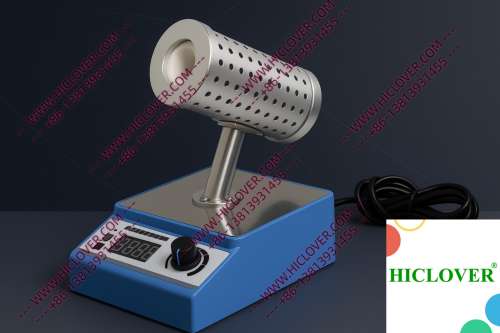
In laboratory settings across Cameroon, effective biosafety and sterilization are becoming increasingly vital. Laboratories are frequently grappling with contamination control, particularly in high-stakes environments such as BSL-2 and BSL-3 microbiology labs. The effective sterilization of inoculating loops, culture media, and various laboratory instruments is critical for ensuring reliable results and maintaining laboratory integrity.
Understanding Micro Incinerators
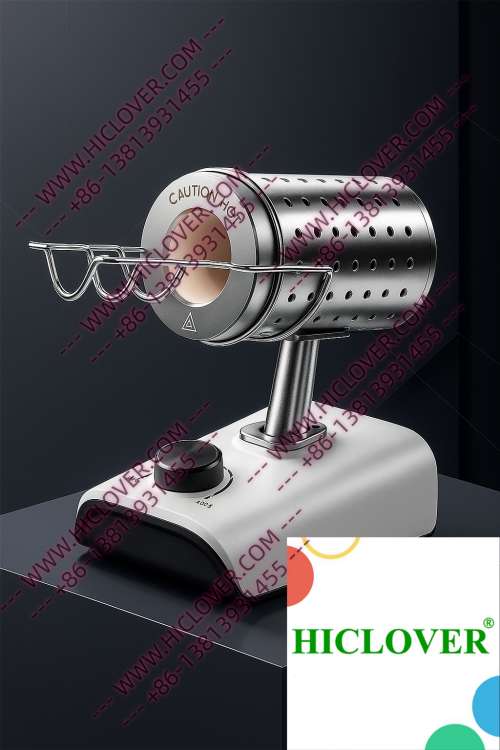
The Micro Incinerator, especially the Infrared Inoculating Loop Sterilizer, has been engineered to answer these sterilization challenges efficiently. These innovative devices employ advanced technology designed to provide rapid thermal sterilization without the risks associated with traditional flame-based methods. The fundamental principle of the micro incinerator is based on the utilization of infrared heat generated in a controlled manner within a ceramic heating chamber.
This chamber emits concentrated infrared thermal energy, allowing for precise temperature management and sterilization, effectively eliminating bioburden while ensuring no live flame poses a risk in clean bench environments. Unlike traditional sterilizers such as alcohol lamps and Bunsen burners, micro incinerators minimize aerosol generation and risk of contamination.
Advantages Over Traditional Sterilization Methods
| Feature | Micro Incinerator | Traditional Flame Sterilizers |
|---|---|---|
| Efficiency | Rapid thermal sterilization | Variable, often slower |
| Safety | No open flame | Risk of fire and burns |
| Contamination Control | Aerosol-free handling | Risk of aerosols |
| Energy Consumption | Low energy consumption | Higher energy consumption |
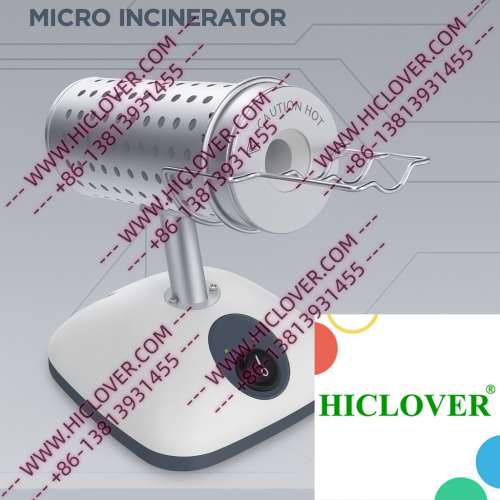
Practical Applications of Micro Incinerators
Laboratory Settings
As professionals in clinical diagnostics and teaching labs tackle rigorous standards for biosafety and accurate results, micro incinerators demonstrate their versatility:
- Biosafety Cabinets: In environments where contamination control is paramount, micro incinerators can be utilized within biosafety cabinets. Their efficient sterilization capabilities help maintain the aseptic conditions required for sensitive experiments.
- Field Testing: Portable micro incinerators are an asset in field labs, especially in rural areas of Cameroon. They can assist healthcare workers in sterilizing tools on-site, ensuring safety while conducting tests for infectious diseases.
- University Teaching Labs: Educational institutions improve teaching efficacy by using micro incinerators for hands-on laboratories. This not only provides students practical experience with state-of-the-art equipment but also ensures a safe testing environment.
Compliance with International Standards
Global themes such as environmental sustainability and strict adherence to biosafety protocols compel laboratories to seek compliant solutions. The implementation of micro incinerators aligns with the World Health Organization (WHO) biosafety standards and addresses lab sterilization norms. In cleanrooms, compliance dictates that no open flames are permissible, which places micro incinerators in an advantageous position. The sterilizers can be effectively used in conjunction with CO₂ incubators and anaerobic chambers without introducing contaminants from flame sterilizers.
“In today’s laboratory environment, introducing efficient and compliant sterilization solutions is not just beneficial; it’s imperative for scientific integrity.”
Addressing Regional Challenges
In Cameroon, where access to reliable laboratory infrastructure can be limited, portable micro incinerators provide innovative solutions. By harnessing cutting-edge technology, laboratories across cities like Yaoundé and Douala can ensure that waste management and contamination control meet the necessary standards while fostering safe work environments.
FAQs
What is a portable micro incinerator used for?
A portable micro incinerator is used for rapid thermal sterilization of laboratory tools and materials, preventing contamination in various lab settings.
How does an infrared inoculating loop sterilizer work?
It works by emitting concentrated infrared heat within an enclosed ceramic tube, allowing for swift and safe sterilization without an open flame.
Why is a micro incinerator safer than traditional methods?
It is safer because it minimizes the risk of fire and burns associated with open flames and avoids aerosol generation that can occur with flame sterilizers.
Can micro incinerators be used in field testing?
Yes, their portability and ease of use make them ideal for field tests where sterilization of tools is necessary.
What laboratory standards do micro incinerators comply with?
They comply with WHO biosafety and laboratory sterilization standards, making them suitable for various laboratory environments.
Conclusion
As laboratories in Cameroon, whether they are clinical diagnostics centers or educational institutions, are increasingly forced to confront the challenges associated with waste management and sterilization, the adoption of portable micro incinerators provides a game-changing solution. These devices enhance workflow efficiency, improve safety practices, and comply with global standards, ensuring a higher quality of research and education.
For those interested in enhancing their laboratory practices and complying with the latest biosafety protocols, we invite you to explore our range of Micro Incinerator products. Contact us today for more information or to place an order!