
Laboratory environments are known for their rigorous demands on biosafety and sterilization. Meet the challenges of contamination control with advanced sterilization equipment that not only ensures safety but also aligns with environmental sustainability. As biological research escalates in complexity and scale, researchers are increasingly turning to Micro Incinerators—specifically, Infrared Inoculating Loop Sterilizers—for their effective yet eco-friendly sterilization capabilities.
Understanding the Technical Principles of Micro Incinerators
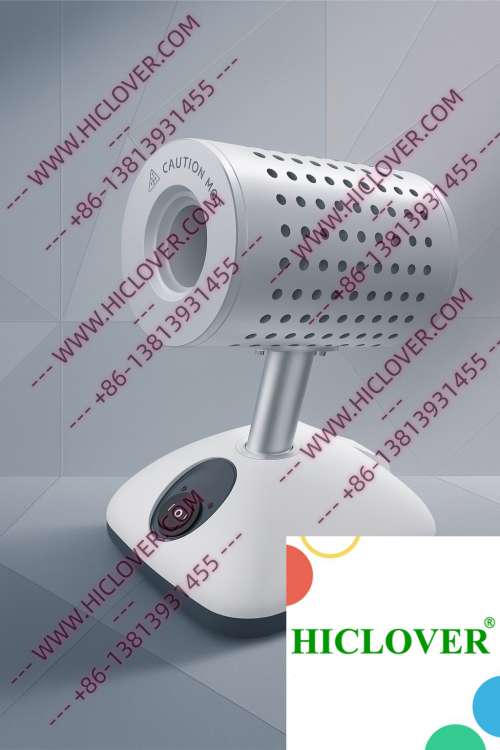
Unlike traditional flame sterilizers, which can be cumbersome and hazardous, micro-incinerators utilize rapid thermal sterilization through infrared technology. These devices feature a ceramic heating chamber which encapsulates the sterilizing process within an enclosed tube. This allows for clean-bench-safe operations, greatly reducing the risk of aerosolization and cross-contamination. The high temperatures achieved by infrared heat enable disinfection in mere seconds, making these sterilizers an efficient choice for laboratories.
Advantages Over Traditional Flame Sterilizers
Micro Incinerators offer several significant advantages over traditional flame-based sterilizers such as alcohol lamps and Bunsen burners:
- Safety: No open flames reduce the risk of burns and fire hazards.
- Efficiency: Faster sterilization cycles allow for streamlined laboratory workflows.
- Minimized Contamination: Enclosed design prevents aerosol spread, ensuring a sterile environment.
- Environmental Impact: In comparison to conventional methods, infrared sterilization produces less waste and uses fewer consumables.
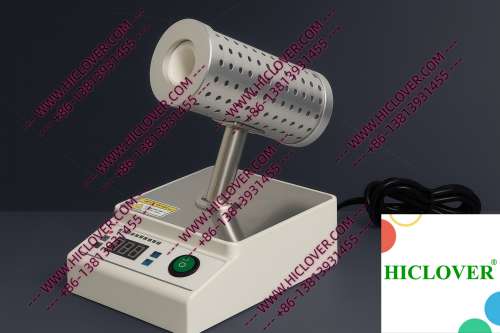
Applications of Micro Incinerators in Real Labs
Biosafety Cabinets and Critical Research Areas
In BSL-2 and BSL-3 microbiology labs, where pathogens are handled, maintaining a sterile workspace is critical. Micro Incinerators serve as the ideal solution, quickly sterilizing inoculating loops and other tools without compromising safety. In these environments, researchers can count on the reliability of infrared inoculating loop sterilizers to minimize the risk of contamination during experimentation.
Field Testing and University Teaching Labs
Field testing in remote locations poses unique sterile challenges. Micro Incinerators are highly portable, allowing researchers to conduct tests without access to traditional laboratory facilities. In university teaching laboratories, these devices enable students to learn proper sterilization techniques without the dangers associated with flames. By integrating infrared sterilizers, educational institutions enhance both safety and knowledge, preparing students for future careers in pathology and microbiology.
Compliance with Biosafety Standards
As laboratories navigate complex regulatory environments, compliance with guidelines set forth by WHO and other international bodies is crucial. The use of Micro Incinerators aligns with stringent lab sterilization standards, particularly in contexts where clean rooms are mandated. Traditional flame sterilizers can introduce contaminants through soot and incomplete combustion, making them unsuitable for environments requiring ultra-clean operations.
In contrast, infrared technologies provide a flame-free solution for sterilization, ensuring compliance with safety protocols and enhancing workspace cleanliness. Countries like the United States, Germany, and Canada have already adopted these standards within their academic and research institutions.
Environmental Benefits of Adopting Micro Incinerators
The shift towards micro-incineration represents a commitment to reducing environmental impact in the research sector. Traditional flame sterilization not only requires the use of alcohol or gas, but also contributes to greenhouse gas emissions through combustion. In contrast, micro-incinerators are designed to utilize electric power, which can be sourced from renewable energy, thus minimizing carbon footprints and promoting ecological sustainability.
FAQs
1. What makes micro incinerators safer than traditional flame sterilizers?
Micro incinerators eliminate the risk of open flames, reducing fire hazards and the potential for burns within the laboratory environment.
2. How quickly can a micro incinerator sterilize an inoculating loop?
Most micro incinerators can achieve sterilization in just a few seconds, streamlining the lab workflow significantly.
3. Are micro incinerators compliant with biosafety standards?
Yes, they meet WHO biosafety and lab sterilization standards, making them ideal for use in clean rooms and sensitive laboratory settings.
4. Can micro incinerators be used in field testing environments?
Absolutely! Their portability and quick sterilization capabilities make them an excellent choice for field testing away from traditional labs.
5. How do I choose the right micro incinerator for my laboratory?
Consider factors like your specific application needs, lab environment, and regulatory compliance requirements when selecting a micro incinerator.
Conclusion
Micro Incinerators represent a revolutionary leap in laboratory sterilization technology, combining safety, efficiency, and environmental advantages that traditional flame sterilizers simply cannot offer. By investing in Infrared Inoculating Loop Sterilizers, you not only ensure the highest standards of biological safety but also commit to a sustainable future for laboratory practices. Reach out to our team today to explore how these innovative solutions can enhance your laboratory’s operations.
Categories:
Tags: