
In today’s fast-paced laboratory environment, ensuring biosafety while performing sterilization procedures is paramount. Laboratories face a range of challenges in maintaining sterile conditions, especially when handling biological samples that could pose a risk of contamination. Traditional sterilization techniques, such as alcohol lamps and Bunsen burners, while effective, often raise concerns about safety, heat control, and contamination. As a response, innovative solutions like the Micro Incinerator (Infrared Inoculating Loop Sterilizer) have emerged, offering a modern approach to sterilization that prioritizes efficiency and safety.
Technical Principles of Infrared Sterilization
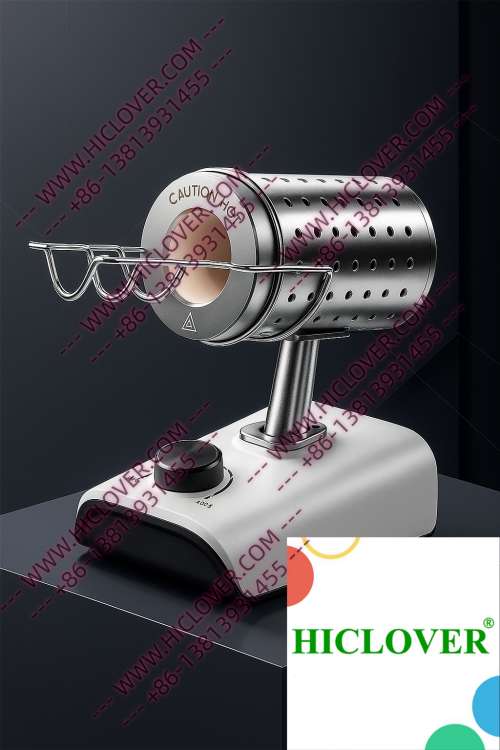
The Micro Incinerator employs a rapid thermal sterilization technique that utilizes infrared heating. This technology features an enclosed ceramic tube that reaches high temperatures efficiently, ensuring thorough disinfection of inoculating loops and other lab implements. Unlike traditional flame sterilizers, which can create aerosols and pose fire hazards, the infrared method enables a clean-bench-safe operation that minimizes the risk of contamination.
Infrared rays penetrate directly into materials, producing focused heat and achieving sterilization in seconds. This method is ideal for sensitive environments such as BSL-2 and BSL-3 microbiology labs, where maintaining biosafety and controlling aerosol generation are critical.
Applications in Real Laboratories
1. Biosafety Cabinets
In a biosafety cabinet (BSC), where sterile conditions are crucial, the Micro Incinerator provides a reliable sterilization method. Labs in regions like California, which often endure stringent health standards, benefit from the enclosed infrared design that allows for quick sterilization without introducing flames or external contaminants. Researchers can quickly sterilize inoculating loops between sample transfers, ensuring that no cross-contaminants affect their experiments.
2. Teaching Laboratories
University labs tasked with teaching microbiology courses find the Micro Incinerator particularly advantageous. Enclosed ceramic tubes minimize the risk of ignition and provide effortless operation for students. For instance, in a teaching lab at the University of Toronto, professors utilize the Micro Incinerator to demonstrate safe sterilization techniques without the hazards associated with traditional flame systems. Students gain hands-on experience with a sterilization method that aligns with industry standards, preparing them for future work in clinical diagnostics or research.
Compliance and Environmental Considerations
When selecting sterilization equipment, compliance with regulations set by organizations such as the World Health Organization (WHO) is essential. The Micro Incinerator adheres to stringent lab sterilization standards, ensuring that it meets global biosafety protocols. With an emphasis on cleanroom environments, this equipment is designed to eliminate flames, preventing inhalation of harmful aerosols often generated by flame sterilizers.
Moreover, the energy efficiency of infrared technology contributes to a more sustainable lab environment. It minimizes energy consumption while maintaining the highest sterilization standards, which is especially important in laboratory certifications.
Comparison: Micro Incinerator vs. Flame Burners
| Feature | Micro Incinerator | Flame Sterilizers |
|---|---|---|
| Heat Source | Infrared | Open Flame |
| Contamination Risk | Minimal | High |
| Safety | Clean-bench-safe | Flame hazards |
| Ease of Use | One-step operation | Requires technique |
| Energy Efficiency | High | Moderate |
FAQs about Micro Incinerators
- What is a Micro Incinerator? A Micro Incinerator is an infrared inoculating loop sterilizer that provides rapid thermal sterilization, ensuring minimal contamination risk in laboratories.
- How does the infrared sterilization process work? Infrared rays directly heat the ceramic tube, achieving high temperatures quickly without producing harmful aerosols.
- Can I use a Micro Incinerator in a biosafety cabinet? Yes, it is perfectly safe for use in biosafety cabinets, maintaining sterile conditions and reducing contamination risks.
- What are the benefits of using a Micro Incinerator over traditional flame sterilizers? Benefits include improved safety, better contamination control, ease of use, and energy efficiency.
- Is the Micro Incinerator compliant with global sterilization standards? Yes, it meets rigorous standards set by entities like WHO for laboratory sterilization.
Conclusion
In conclusion, the Micro Incinerator is revolutionizing sterilization processes in laboratories, addressing the long-standing challenges of traditional flame sterilizers while ensuring compliance with global safety standards. Whether in teaching labs, BSL-2 or BSL-3 environments, or in clinical diagnostics, this innovative solution enhances workflow efficiency, promotes safety, and provides peace of mind against contamination. To explore how the Micro Incinerator can elevate your laboratory practices, please reach out to our team or visit our product page for more information and purchasing options.
Categories:
Tags: