
In the fast-evolving world of laboratory biosafety, the significance of effective sterilization cannot be overstated. Increasingly stringent regulations coupled with the pressing need for contamination control have prompted laboratories to rethink their sterilization workflows. Traditional flame sterilizers — such as alcohol lamps and Bunsen burners — have dominated for years, but alternative technologies, notably Micro Incinerators, are reshaping the landscape of laboratory sterilization.
Understanding Micro Incinerators
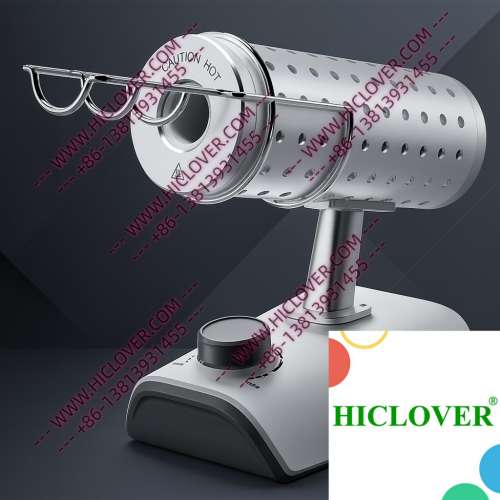
Micro Incinerators operate on sophisticated principles that enhance the rapid thermal sterilization process. Utilizing infrared heat technologies, these devices offer an enclosed ceramic heating chamber that achieves high-temperature disinfection without the risks associated with open flames. The benefit of infrared heating lies in its ability to achieve and maintain consistent temperatures quickly, ensuring effective and even sterilization of inoculating loops, needles, and other lab equipment.
Technical Principles and Configuration
The core configuration of a Micro Incinerator typically involves an insulating base, an enclosed chamber, and an infrared heating element. The design eliminates aerosol emissions during sterilization, making it a clean-bench-safe choice, particularly essential in BSL-2 and BSL-3 microbiology labs. Being compact and portable, these devices enable flexible lab workflows, from field testing environments to university teaching labs. Here’s what sets them apart from traditional flame burners:
- Safety: No open flames eliminate risks of fire hazards.
- Efficiency: Rapid thermal sterilization ensures timely work without compromising on sterility.
- Contamination Control: Environmental safety is enhanced with aerosol-free handling.
- Easy Operation: Simple design for user-friendly operation.
- WHO Laboratory Biosafety Manual standards
- National and regional sterilization protocols
- Environmental policies aimed at reducing emissions from laboratory activities
Application Scenarios in Real Labs
1. Biosafety Cabinet Use
In a laboratory fitted with biosafety cabinets, where containment of biohazardous materials is crucial, Micro Incinerators are invaluable. When research scientists handle cultures, they can utilize these devices to sterilize inoculating loops swiftly without the concern of creating aerosols that might compromise the integrity of the sterile environment. Thus, by ensuring high levels of sterility while maintaining the safety protocols within the cabinet, these devices can enhance research efficiency and compliance.
2. Field Testing and Teaching Labs
In mobile or field testing labs, where traditional sterilization methods can be impractical due to the absence of consistent power or safety concerns, Micro Incinerators provide an excellent solution. Their lightweight and portable design allows field operators to achieve effective sterilization on-site. Furthermore, in university teaching labs, these devices offer a safe, controlled method for students to learn sterilization techniques without the hazards associated with flame-based methods.
Compliance and Environmental Considerations
When discussing sterilization equipment, adherence to international biosafety standards such as those set by the World Health Organization (WHO) is paramount. Micro Incinerators are compliant with evolving lab sterilization standards, addressing crucial points like the prohibition of flames in clean rooms. This is particularly important in clinical diagnostics and microbiology labs where contamination can yield dire results. The shift to flame-free sterilization minimizes the risks associated with smoke, VOCs, and other emissions, contributing to a cleaner, more compliant laboratory environment.
Biosafety Compliance Reference
The incorporation of Micro Incinerators helps laboratories align with:
Comparison: Micro Incinerator vs. Traditional Flame Burners
| Feature | Micro Incinerator | Flame Burners |
|---|---|---|
| Flame-Free Operation | Yes | No |
| Heating Method | Infrared | Flame |
| Portability | High | Medium |
| Efficiency | High | Variable |
| Aerosol Production | None | Yes |
Frequently Asked Questions
What is a Micro Incinerator and how does it work?
A Micro Incinerator is a sterilization device that uses infrared heat within an enclosed chamber to achieve rapid, effective sterilization without open flames.
Where can Micro Incinerators be used?
Micro Incinerators are ideal for use in BSL-2 and BSL-3 labs, clinical diagnostics settings, and educational laboratories.
What are the advantages of Micro Incinerators over traditional methods?
The main advantages include enhanced safety, improved efficiency, better contamination control, and compliance with environmental standards.
Are Micro Incinerators easy to operate?
Yes, Micro Incinerators are designed for straightforward operation, making them user-friendly for both seasoned technicians and students.
Is there a maintenance requirement for Micro Incinerators?
Generally, Micro Incinerators require minimal maintenance, primarily ensuring that the heating elements are clean and functional.
Conclusion
With the growing emphasis on lab safety and environmental consciousness, the adoption of Micro Incinerators offers compelling advantages for NHS waste management and beyond. By providing a streamlined, safe, and efficient approach to sterilization, these devices hold significant potential in various laboratory settings, from clinical diagnostics to educational environments. If you’re interested in enhancing your lab’s sterilization processes, contact us to explore our range of Micro Incinerators tailored to meet your specific needs.
Categories:
Tags: