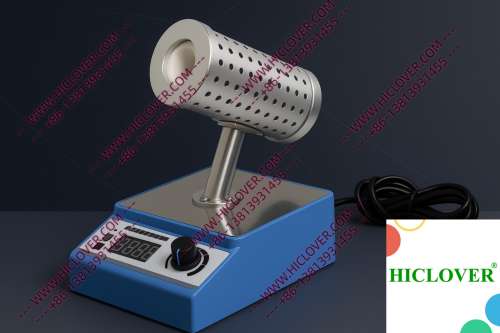
In the realm of laboratory safety, one of the foremost challenges faced by scientists and researchers is maintaining an aseptic environment. The risk of contamination can compromise experiments, leading to inconclusive results or, in more severe cases, health hazards. As laboratories increasingly adopt stringent safety protocols, the demand for effective sterilization equipment has surged, particularly within biosafety cabinets. One key innovation making waves in sterilization is the Micro Incinerator / Infrared Inoculating Loop Sterilizer. This device exemplifies rapid thermal sterilization, posing minimal risk, while ensuring maximum efficiency.
Understanding the Technology
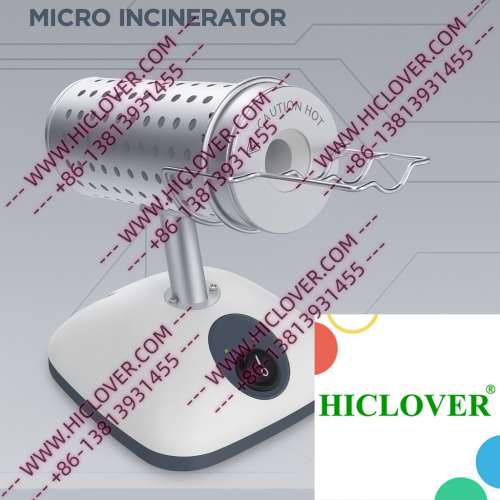
The operation of a micro incinerator is rooted in the principles of infrared heat generation. Unlike traditional flame sterilizers like alcohol lamps and Bunsen burners, which can create aerosols and present a risk of open flames, these modern devices utilize an enclosed ceramic heating chamber. This means that the sterilization process occurs in a clean-bench-safe environment, almost eliminating any chance of contamination due to airflow disruption.
When the ceramic tube is heated by infrared elements to elevated temperatures, it allows for rapid sterilization of inoculating loops and other laboratory tools. The high heat facilitates the disinfection of surfaces in seconds, ensuring that any pathogenic material present is destroyed without leaving residues or emissions that could compromise the lab environment.
Applications in Real Laboratories
The use cases for micro incinerators are vast, impacting various laboratory settings. Below are two prevalent scenarios highlighting their effectiveness:
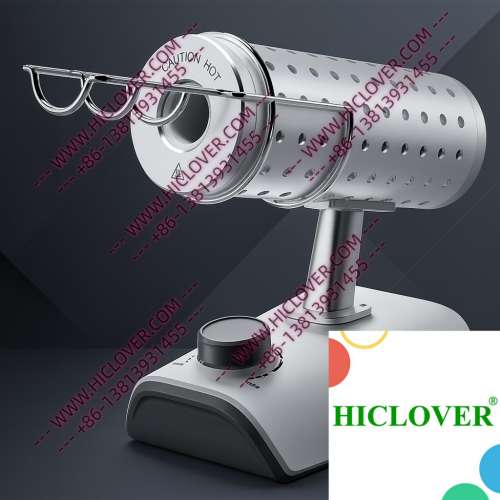
- Biosafety Cabinets: In BSL-2 and BSL-3 labs, where pathogens like E. coli and HIV may be handled, micro incinerators afford researchers an aerosol-free handling method. Within these cabinets, the sterilizer can quickly disinfect inoculating tools without exposing the operator to harmful pathogens.
- Teaching Laboratories: In university settings, where students are learning microbiology and cellular techniques, the low-risk nature of micro incinerators makes them an ideal choice. Instructors can provide hands-on experiences with minimized dangers, educating future scientists about safe sterilization practices.
Compliance and Environmental Considerations
As laboratories adhere to stringent biosafety standards, compliance with organizations like the WHO and ISO becomes vital. The WHO biosafety guidelines emphasize the necessity for effective sterilization to prevent cross-contamination and maintain research integrity. Countries like Canada, Germany, and the USA enforce strict regulations on laboratory sterilization, which can significantly benefit from devices like micro incinerators, especially within the rarely required cleanroom environments where open flames are prohibited.
By adopting a micro incinerator, labs reduce the risk of aerosol generation—a common hazard with flame sterilizers. Moreover, its design facilitates easier cleaning and maintenance, which aligns with compliance mandates for laboratory equipment to ensure a clean and safe working environment.
Advantages Over Traditional Flame Sterilizers
| Feature | Micro Incinerator | Flame Burners |
|---|---|---|
| Heating Time | Instant high-temperature sterilization | Variable heating time, slower response |
| Contamination Risk | Aerosol-free handling | Potential for aerosol generation |
| Environmental Safety | No open flame | Open flame presents fire hazard |
| User Safety | Low risk, enclosed design | Higher risk of burns and accidents |
Frequently Asked Questions (FAQs)
- What is the primary advantage of a micro incinerator in laboratory settings?
The primary advantage lies in its aerosol-free handling and rapid thermal sterilization, making it safer and more efficient than traditional flame sterilizers. - Can a micro incinerator be utilized in cleanroom environments?
Yes, due to its enclosed design and absence of open flames, it is ideal for use in cleanroom environments where contamination control is critical. - How does infrared heating differ from conventional flame sterilization?
Infrared heating provides a focused, high-temperature source that sterilizes without the risk of generating aerosols, unlike conventional flame sources. - Are micro incinerators suitable for field testing labs?
Absolutely, their portability and rapid sterilization capabilities make them invaluable for mobile and field testing laboratories. - What should be considered when selecting a sterilization device?
Key factors include safety concerns, compliance with biosafety standards, the nature of work being conducted, and the volume of sterilization needed.
Conclusion
In the shifting landscape of laboratory sterilization, the Micro Incinerator / Infrared Inoculating Loop Sterilizer stands out as a secure and efficient solution to meet modern biosafety challenges. As laboratories worldwide seek to improve workflows while ensuring compliance with rigorous safety standards, this innovative device is poised to play a critical role. For interested parties looking to upgrade their sterilization equipment, we encourage you to contact us for more information and enhance your laboratory’s safety measures today.
Categories:
Tags: