
As laboratories face increasing pressure to maintain stringent biosafety standards while dealing with the challenges of rapid sterilization, the need for efficient sterilization equipment has never been more critical. Traditional methods, such as Bunsen burners and alcohol lamps, often fall short in terms of efficiency, safety, and environmental compliance. The innovative solution offered by the Micro Incinerator or Infrared Inoculating Loop Sterilizer comes into play, promising a significant advancement in laboratory sterilization workflows.
Technical Principle and Design of Micro Incinerators
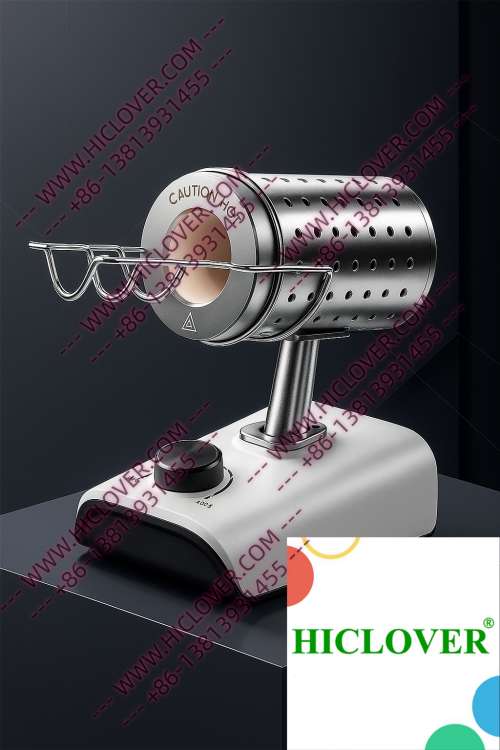
The Micro Incinerator utilizes the principle of rapid thermal sterilization through enclosed infrared heating. This technique provides high-temperature disinfection efficiently and safely, an essential aspect in maintaining clean laboratory environments. Unlike traditional flame methods, this equipment features a ceramic heating chamber that minimizes the risk of contamination.
The key components of a micro incinerator include:
- Enclosed Ceramic Tube: Protects users and maintains a clean operational environment.
- Infrared Heaters: Provide quick and consistent heating for sterilization.
- Temperature Control: Ensures precise regulation of heat for effective sterilization.
Real-World Applications of Micro Incinerators
Micro Incinerators find applications across various laboratory settings, including:
1. BSL-2/Biosafety Cabinets
In BSL-2 microbiology labs, the Micro Incinerator is an essential tool for sterilizing inoculating loops and other instruments. Its aerosol-free handling capability allows researchers to work with infectious agents without the risks associated with traditional flame-based methods. The enclosed design immediately extinguishes any potential combustibles, ensuring operator safety while maintaining a sterile environment.
2. University Teaching Labs
Within university settings, the Micro Incinerator enhances learning experiences by providing students with modern sterilization methodology. It enables efficient disinfection in teaching labs without the need for flame management, allowing instructors to focus more on teaching microbiological techniques rather than on flame safety. It’s clean-bench safe and ideal for introductory microbiology courses where contamination control is crucial.
Compliance and Environmental Considerations
The WHO and various laboratory sterilization standards underscore the significance of effective sterilization in controlling infectious agents. Maintaining clean environments is vital not only for the safety of laboratory personnel but also for the integrity of experiments. Notably, many modern laboratories require flame-free equipment to meet the stringent requirements of clean rooms and other controlled environments.
Micro Incinerators align perfectly with these guidelines. Their designed use reduces environmental impact, a crucial factor in the Dutch approach to waste efficiency and sustainability. By eliminating the use of traditional alcohol lamps that produce hazardous fumes and emissions, laboratories can contribute to a greener future.
Advantages Over Traditional Flame Sterilizers
When comparing the Micro Incinerator to traditional sterilization methods, several key advantages emerge:
| Feature | Micro Incinerator | Flame Sterilizers |
|---|---|---|
| Efficiency | Rapid thermal sterilization | Slower heat-up times |
| Contamination Control | Aerosol-free handling | Potential for airborne contaminants |
| User Safety | No open flames | Risk of burns and fire hazards |
| Environmental Compliance | Meets clean room standards | Produces fumes and residues |
FAQs about Micro Incinerators
1. What is a Micro Incinerator used for?
A Micro Incinerator is primarily used to sterilize laboratory tools, such as inoculating loops, in a safe and efficient manner, especially in environments sensitive to contamination.
2. How does the Micro Incinerator improve lab workflows?
By offering rapid sterilization without flames, the Micro Incinerator enables scientists to maintain focus on their experiments without the need for continual flame monitoring, thereby increasing efficiency.
3. Are Micro Incinerators compliant with biosafety standards?
Yes, Micro Incinerators are designed to meet or exceed WHO and other regulatory guidelines for laboratory safety, ensuring that they can be safely used in BSL-2 and BSL-3 laboratories.
4. Can Micro Incinerators be used in field tests?
Absolutely. Their portability and safety features make them ideal for mobile or field testing labs where traditional flame methods may pose risks.
5. How does the environmental impact of Micro Incinerators compare to traditional methods?
Micro Incinerators are more environmentally friendly than traditional flame sterilizers, as they produce no fumes or hazardous waste associated with combustion.
Conclusion
The integration of Micro Incinerators into laboratory practices not only elevates sterilization efficiency but also aligns with evolving biosafety and environmental standards. For laboratories aiming to enhance their sterilization workflows while ensuring compliance and safety, exploring options for a Micro Incinerator is an excellent step forward. Whether you’re in a university teaching lab, clinical diagnostics setting, or BSL-2 microbiology lab, these innovative sterilization devices can provide a significant edge in maintaining laboratory safety and efficiency.
For inquiries about purchasing a Micro Incinerator or to learn more about how it can fit into your laboratory’s needs, feel free to contact us today.
Categories:
Tags: