
As Poland grapples with the growing issue of landfill overload, innovative solutions are increasingly necessary to manage waste and ensure biosafety in laboratories. One critical aspect of this effort is the need for effective sterilization techniques that can help mitigate both waste and contamination risks in clinical diagnostics, university settings, and more. This is where the Micro Incinerator / Infrared Inoculating Loop Sterilizer comes into play, providing a state-of-the-art solution for rapid thermal sterilization.
Understanding the Technical Principles of Micro Incinerators
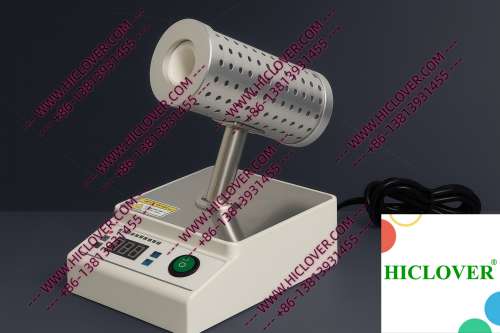
The Micro Incinerator operates on the principle of infrared heating, utilizing an enclosed ceramic tube that allows for efficient and controlled sterilization. Unlike traditional flame sterilizers such as alcohol lamps and Bunsen burners, which come with risks like open flames and soot, the Micro Incinerator uses high-temperature infrared radiation to achieve rapid thermal sterilization. This not only minimizes contamination but also adheres to compliance requirements relevant in laboratory environments.
- Safety: No open flames, reducing the risk of burns and fire hazards.
- Efficiency: Quick heating allows for expedited sterilization processes.
- Precision: The enclosed design controls the heat distribution, ensuring optimal temperatures are maintained.
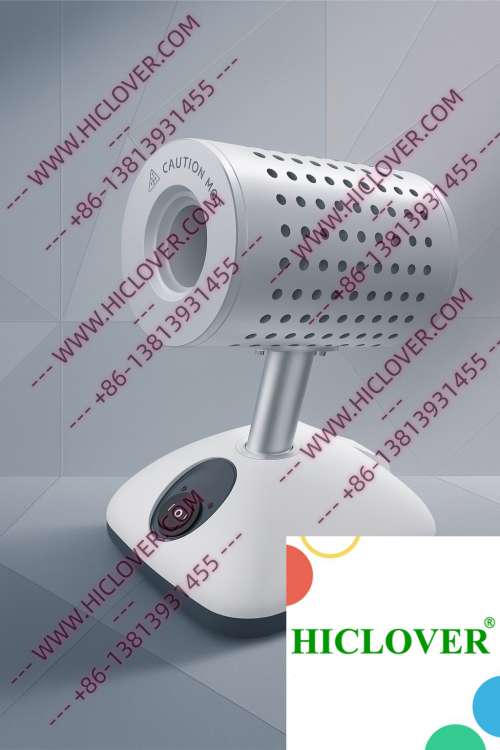
Applications of Micro Incinerators in Various Laboratory Settings
The versatility of Micro Incinerators makes them ideal for various laboratory settings, including:
Biosafety Cabinets
In BSL-2 and BSL-3 microbiology labs, where safety and contamination control are paramount, the Micro Incinerator serves as an essential tool. When performing procedures that involve pathogens, it is crucial to ensure that instruments are sterilized without the risks associated with traditional flame sources. The Micro Incinerator can be neatly integrated into biosafety cabinets, providing a clean-bench-safe option that complements rigorous biosafety protocols.
Teaching Labs
In educational settings, such as university teaching labs, the Micro Incinerator proves beneficial for training students in safe microbiological techniques. By using this technology, students can focus on learning sterilization methods without the distractions and dangers of open flames. Moreover, instructors can demonstrate effective sterilization practices in alignment with internationally recognized standards and guidelines.
Compliance and Environmental Considerations
Following strict compliance with biosafety standards, such as those set by the World Health Organization, is crucial in any laboratory environment. The Micro Incinerator enables adherence to various laboratory sterilization standards while safeguarding the environment. Unlike flame sterilizers, which can leave soot and require careful handling of flammable materials, the use of an infrared sterilizer significantly reduces the risks associated with combustion.
In light of Poland’s increasing disposal regulations related to waste management, the Micro Incinerator stands as an environmentally-friendly alternative, offering not just a way to sterilize but also to reduce laboratory waste. This is particularly beneficial in areas seeking to promote sustainable lab practices and minimize waste contributions to local landfills.
Comparison: Micro Incinerator vs. Traditional Flame Sterilizers
| Feature | Micro Incinerator | Flame Sterilizers |
|---|---|---|
| Heat Source | Infrared radiation | Open flame |
| Contamination Risk | Aerosol-free handling | Higher risk of splatter or contamination |
| Safety | No open flames | Fire hazards |
| Efficiency | Rapid thermal sterilization | Variable; requires time for flame setup |
Frequently Asked Questions
- What is a Micro Incinerator?
The Micro Incinerator is an advanced sterilization device that uses infrared heat to sterilize loops and other laboratory equipment quickly and safely. - How does it comply with biosafety standards?
It reduces contamination risks and adheres to WHO biosafety protocols, making it suitable for BSL-2 and BSL-3 labs. - Can it be used in field testing labs?
Yes, its portable design allows use in various settings, including field testing and mobile laboratories. - What are the operational advantages of a Micro Incinerator?
It offers increased efficiency, safety, and precision in sterilization as compared to traditional flame sterilizers. - Is there a need for compliance with laboratory waste disposal?
Yes, using a Micro Incinerator can assist in minimizing laboratory waste, supporting compliance with waste management regulations.
Conclusion
As Poland strives to tackle the challenges of landfill overload, adopting innovative and effective laboratory sterilization technologies—such as the Micro Incinerator—can significantly contribute to waste reduction and enhanced biosafety. Its advanced features allow laboratories to maintain compliance with international safety standards while providing a more sustainable approach to sterilization. Whether utilized in a biosafety cabinet, teaching lab, or field testing environment, the Micro Incinerator represents a smarter, safer choice for modern laboratory practices.
For more information about how the Micro Incinerator can enhance your laboratory’s efficiency and safety, feel free to contact us today or request a quote. Let’s work together to improve laboratory sterilization standards and contribute to environmental sustainability.
Categories:
Tags: