
As laboratory settings across Denmark strive to meet heightened biosafety and environmental standards, the need for efficient sterilization methods has become increasingly paramount. Traditional methods like alcohol lamps and Bunsen burners pose significant challenges, including contamination risks and issues with flame safety in cleanrooms. In this landscape, micro incinerators, particularly the Micro Incinerator / Infrared Inoculating Loop Sterilizer, have emerged as a transformative solution for thermal sterilization while also mitigating environmental impacts.
Understanding the Micro Incinerator
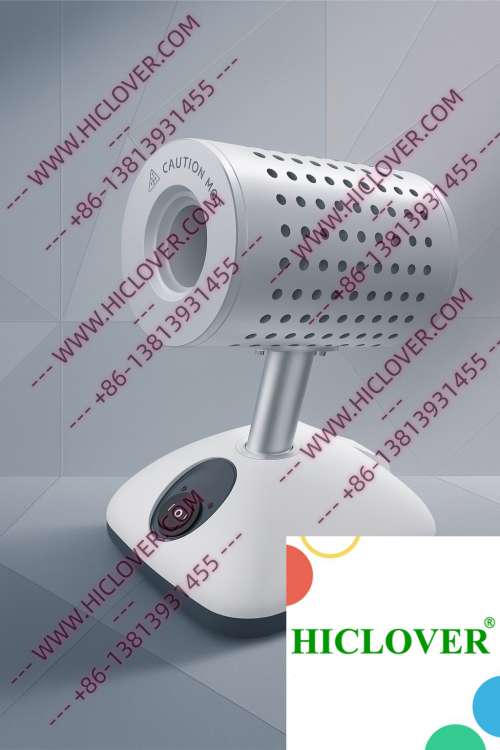
The Micro Incinerator operates on the principle of rapid thermal sterilization through the use of infrared heat. This innovative device features a ceramic heating chamber enclosed in a compact design, ensuring high-temperature disinfection that is both quick and reliable. Within moments, the targeted surfaces can reach sterilization temperatures, eradicating bacterial spores and viruses effectively.
Technical Configuration
This particular model is engineered for laboratory use, providing a clean-bench-safe sterilization environment. Unlike traditional flame sterilizers, which can cause aerosol contamination and pose risks in sensitive biosafety cabinets, the Micro Incinerator features an enclosed ceramic tube that minimizes the release of harmful particles. This not only aids in maintaining a sterile environment but also aligns with WHO biosafety guidelines and laboratory standards for disinfecting tools and equipment.
Applications in Real Laboratories
-
Biosafety Cabinet Operations
In BSL-2 or BSL-3 laboratories, the Micro Incinerator serves a crucial role in decontaminating inoculating loops and other tools. By rapidly sterilizing instruments without an open flame, researchers can safely transfer microorganisms while ensuring compliance with strict biosafety protocols.
-
Field Testing and Mobile Labs
In Denmark’s growing field testing laboratories, where space and power supplies may be limited, the Micro Incinerator’s compact design is ideal. Researchers can perform sterilization on-site without the hazards associated with transportable flame sterilizers, facilitating safer sample handling and collection in various environments.
-
University Teaching Labs
Educational institutions increasingly adopt micro incinerators to enhance laboratory teaching. Students gain hands-on experience with modern sterilization techniques while reducing the risks of burns and flame-related accidents associated with traditional methods.
Enhancing Compliance and Environmental Impact
Denmark’s commitment to reducing its carbon footprint resonates strongly with modern laboratory practices. The Micro Incinerator operates on electricity rather than fossil fuels, significantly lowering greenhouse gas emissions compared to traditional flame sterilizers. Compliance with stringent laboratory sterilization standards becomes more straightforward with its use, as it adheres to WHO biosafety regulations and reduces flammable risks, particularly in clean-room environments.
“With devices like the Micro Incinerator, we see a breakthrough in enhancing laboratory safety and sustainability—a win-win for both efficiency and the environment.”
Comparison: Micro Incinerator vs. Flame Burners
| Feature | Micro Incinerator | Flame Burners |
|---|---|---|
| Heat Source | Infrared | Open flame |
| Safety | Non-flammable, aerosol-free | High risk of burns, flame hazards |
| Environmental Footprint | Low carbon emissions | Higher carbon emissions |
| Efficiency | Rapid sterilization | Slower, less uniform heating |
Frequently Asked Questions
- What types of laboratories can benefit from using a Micro Incinerator?
Micro incinerators are ideal for BSL-2 and BSL-3 microbiology labs, clinical diagnostics settings, and university teaching laboratories. - How does a Micro Incinerator ensure user safety?
By utilizing infrared technology, the device eliminates risks associated with open flames and aerosol contamination. - Can the Micro Incinerator be used in field labs?
Absolutely! Its compact and portable design makes it suitable for on-site operations. - What are the environmental benefits of using this sterilization method?
The Micro Incinerator significantly reduces carbon emissions and minimizes hazardous waste compared to traditional flame sterilizers.
Conclusion
The Micro Incinerator / Infrared Inoculating Loop Sterilizer not only meets the rapid sterilization demands of contemporary laboratories but also contributes to Denmark’s ambition of achieving a lower carbon footprint. By embracing this innovative sterilization solution, laboratories enhance operational efficiency while adhering to essential biosafety standards. For laboratory supply distributors, hospitals, universities, and research centers, adopting micro incinerators represents a strong step towards sustainable practices and improved safety. Get in touch with us today to explore how you can integrate this cutting-edge sterilization technology into your lab setup!
Categories:
Tags: