
In Finland, the push toward more sustainable environmental practices is underscored by the challenges faced in biosafety laboratories. Laboratory sterilization procedures often leave researchers grappling with waste management issues, especially when it comes to sterilizing inoculating loops and biohazardous materials. As laboratories strive to meet rigorous biosafety standards, the integration of innovative technologies like the Micro Incinerator / Infrared Inoculating Loop Sterilizer has emerged as a crucial tool in achieving efficiency while minimizing environmental impact.
Understanding the Micro Incinerator Technology
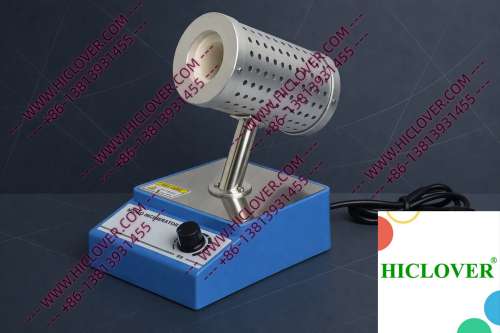
The Micro Incinerator operates on the principle of rapid thermal sterilization through infrared heat. Utilizing an enclosed ceramic heating chamber, it can reach high temperatures almost instantly, allowing for effective sterilization without the drawbacks associated with conventional flame sterilizers, such as Bunsen burners or alcohol lamps. This cutting-edge tool offers a clean, effective, and safe alternative for handling inoculating loops, eliminating contaminants while promoting safe laboratory practices.
Advantages Over Traditional Flame Sterilizers
- Safety: No open flames reduce the risk of fire hazards, especially in clean rooms and BSL-2 / BSL-3 microbiology labs.
- Efficiency: Rapid heating allows for instant sterilization, enabling fast workflows.
- Contamination Control: Infrared technology minimizes the dispersal of aerosols, which is crucial for maintaining sterile environments.
- Waste Reduction: The compact design of the Micro Incinerator promotes minimal waste, aligning with the environmental objectives set by Finland and the EU.
- What is the temperature capability of the Micro Incinerator?
Most models can reach temperatures in excess of 800°C, providing effective sterilization in seconds. - Are Micro Incinerators suitable for all laboratory types?
Yes, they are essential in BSL-2 and BSL-3 labs, clinical diagnostics, and educational settings. - How do Micro Incinerators compare to traditional sterilizers?
They provide faster, safer, and more efficient sterilization without the risks associated with open flames. - What materials can be sterilized using a Micro Incinerator?
They are ideal for metal inoculating loops, needles, and other laboratory tools that require sterilization. - Is maintenance difficult?
No, with minimal moving parts, Micro Incinerators are easy to maintain and robust for long-term use.
Application Scenarios in Real Labs
Micro Incinerators are being integrated into various laboratory settings, enhancing sterilization workflows with practical applications:
1. Biosafety Cabinets
In BSL-2 labs, where handling of pathogenic microorganisms occurs, the Micro Incinerator is stationed within a biosafety cabinet. This setup provides a safe working environment while allowing researchers to quickly sterilize inoculating loops without risking contamination. The immediate sterilization capability helps in preventing cross-contamination between samples, ensuring reliable research outcomes.
2. Field Testing Labs
Mobile or field testing labs, often deployed for environmental assessments, can greatly benefit from the portability and efficiency of the Micro Incinerator. Researchers conducting fieldwork in remote locations face numerous challenges, including waste management. The compact size of the Micro Incinerator allows for on-site sterilization of tools, significantly reducing the risks associated with transporting hazardous waste back to the laboratory.
Compliance with Biosafety Standards
Ensuring compliance with biosafety regulations is critical for laboratories in Finland and around the world. The World Health Organization (WHO) outlines stringent guidelines for biosafety in laboratory settings, and adherence to these standards is crucial for maintaining safety and environmental integrity.
One significant advantage of using a Micro Incinerator is its alignment with laboratory sterilization standards, particularly in facilities where the presence of flames can compromise clean-room environments. The absence of an open flame not only adheres to safety protocols but also reduces the risk of producing aerosol particles, which can lead to contamination.
FAQs About Micro Incinerators
Comparative Table: Micro Incinerator vs. Flame Sterilizers
| Feature | Micro Incinerator | Flame Sterilizer |
|---|---|---|
| Temperature Control | Consistent infrared heating | Variable, dependent on flame size |
| Contamination Risk | Low (aerosol-free) | High (open flame creates aerosols) |
| Waste Generation | Minimal | More laboratory waste due to combustion residues |
| Ease of Use | Simple, plug-and-play | Requires skill to maintain flame |
| Safety | No flame hazards | Flame creates fire hazards |
Conclusion: Embracing Innovation for a Sustainable Future
As Finland strives to meet its environmental goals, adopting advanced sterilization technologies like the Micro Incinerator is paramount. This innovative tool not only meets rigorous laboratory standards but also promises to enhance safety and efficiency in biosafety labs across the country. Investing in a Micro Incinerator can significantly improve your laboratory’s sterilization workflow, while aligning with your commitment to sustainability.
For those interested in revolutionizing their laboratory sterilization processes, we invite you to reach out for more information or to make a purchase today!
Categories:
Tags: