
In the dynamic landscape of microbiology labs, safety remains paramount. As laboratory technicians navigate the intricatework of handling cultures and microorganisms, they face significant biosafety challenges. One of the most critical demands is effective sterilization, which is where modern sterilization equipment, particularly the Micro Incinerator or Infrared Inoculating Loop Sterilizer, comes into play. This article explores how these innovative sterilizers address the unique demands of laboratory workflows while ensuring safety and compliance.
Technical Principles of Infrared Sterilization
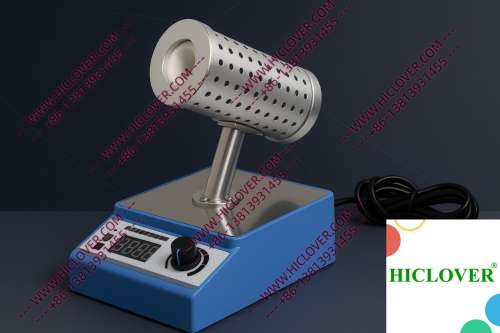
The Micro Incinerator operates on the principle of rapid thermal sterilization through infrared heat. This technology utilizes a ceramic heating chamber that achieves high temperatures rapidly—up to 800°C. Unlike traditional flame sterilizers such as alcohol lamps or Bunsen burners, the infrared device provides consistent, controlled heating without the risks of open flames.
- Enclosed Ceramic Tube: The device features an enclosed ceramic heating chamber, which minimizes the risk of accidental burns and contamination.
- Rapid Cycle Times: Infrared sterilizers can reach boiling temperatures in seconds, thus significantly reducing wait times in the sterilization process.
- Aerosol-Free Handling: The design ensures that there are no aerosols generated during sterilization, maintaining a clean working environment.
Application Scenarios in Real Labs
Micro Incinerators are versatile and can be found in various laboratory settings, adapting to distinct operational requirements. Here are two prime application scenarios:
Biosafety Cabinet Settings
Within the controlled environment of a biosafety cabinet, technicians often face the challenge of maintaining a sterile workspace. The Micro Incinerator allows for efficient sterilization of inoculating loops and other small tools while safely managing the sterile environment. The cornerstone of this workflow is the sterilizer’s rapid thermal efficiency—enabling technicians to quickly sterilize their instruments while avoiding the contamination risks associated with open flames.
Field Testing Laboratories
In the realm of field testing, especially in rural or remote areas, portability and ease of use become essential. Micro Incinerators are lightweight and easily transportable, allowing fieldwork personnel to sterilize tools immediately after use. This is particularly critical when dealing with samples that require immediate processing. Without access to a standard laboratory, the Micro Incinerator serves as a portable solution to ensure contamination control and compliance.
Compliance with Laboratory Sterilization Standards
Adhering to established sterilization standards is vital in microbiology labs globally. The World Health Organization (WHO) emphasizes strict biosafety protocols, particularly in BSL-2 and BSL-3 labs, where the risk of pathogen exposure is higher. The use of flame sterilizers poses risks, including igniting flammable materials typically found within clean rooms. The Micro Incinerator’s no-flame design aligns with these safety standards, providing laboratories with a compliant, safe solution.
Moreover, the device is compliant with major lab sterilization standards, ensuring that laboratory operations meet the necessary safety and efficacy benchmarks mandated by health authorities. This is crucial for institutions such as:
- Hospitals and clinical diagnostics labs
- University teaching labs
- Research facilities and NGOs focused on infectious diseases
Advantages Over Traditional Flame Sterilizers
The shift from traditional flame sterilizers like Bunsen burners to modern Micro Incinerators has significant safety and operational advantages:
| Feature | Micro Incinerator | Flame Sterilizer |
|---|---|---|
| Temperature Control | Consistent, adjustable infrared heat | Variable, dependent on user skill |
| Contamination Control | Enclosed chamber minimizes risk | Open flames increase risk |
| Cycle Time | Rapid, immediate sterilization | Longer due to cooling needed |
| Portability | Lightweight and mobile | Typically stationary |
Frequently Asked Questions
1. How does an infrared inoculating loop sterilizer work?
The Micro Incinerator uses infrared heat to rapidly reach high temperatures for effective sterilization, unlike traditional flame sterilizers that rely on open flames.
2. Why is it safer than using a Bunsen burner?
It eliminates the hazards of open flames, has a fully enclosed design to reduce the risk of burns and contamination, and offers consistent sterilization.
3. Can the Micro Incinerator be used in field settings?
Yes, it is portable and designed for use in diverse environments, making it suitable for field testing and mobile labs.
4. What applications benefit from using this sterilizer?
Biosafety cabinets, clinical diagnostics, and university teaching labs benefit from its rapid, efficient sterilization capabilities.
5. Is it compliant with international sterilization standards?
Yes, the Micro Incinerator complies with various international laboratory sterilization standards, ensuring safety and efficacy in microbial handling.
Conclusion
As safety and efficiency in laboratory environments become increasingly critical, the Micro Incinerator and Infrared Inoculating Loop Sterilizer stand out as essential tools for ensuring effective sterilization. Their design favors compliance with global biosafety standards and they greatly enhance work efficiency across various microbiological contexts.
For laboratories looking to revolutionize their sterilization processes, exploring the purchase of a Micro Incinerator will undoubtedly yield long-term benefits. Contact us today for inquiries and to find the right sterilization solution tailored to your specific laboratory needs.
Categories:
Tags: