
In the rapidly evolving landscape of laboratory biosafety, efficient sterilization methods are critical. One of the major challenges labs face today is ensuring contamination control while maintaining workflow efficiency. Traditional flame-based sterilizers such as alcohol lamps and Bunsen burners offer limited effectiveness due to the risk of aerosols and the potential for combustive accidents in sensitive environments. Enter: the Micro Incinerator, particularly the Infrared Inoculating Loop Sterilizer, a game-changing solution for modern labs.
Understanding Micro Incinerators
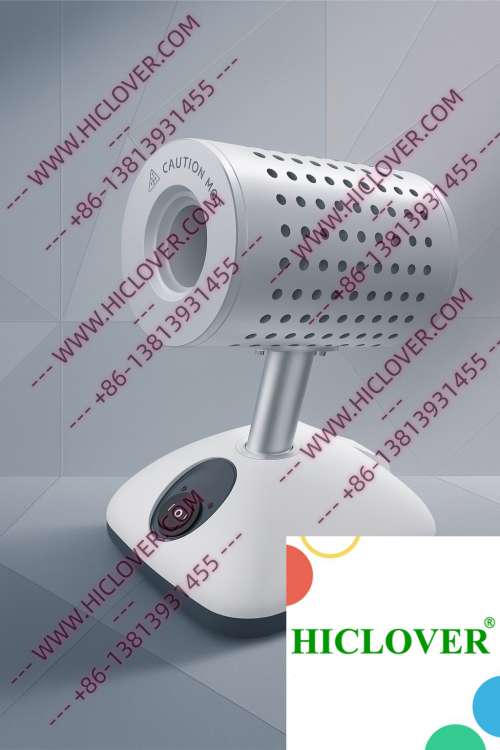
Micro incinerators utilize a highly efficient ceramic heating chamber that delivers infrared high-temperature disinfection. This technology allows for rapid thermal sterilization of inoculating loops and other lab tools. The enclosed ceramic tube ensures that heat is concentrated and directed, minimizing heat loss and maximizing efficiency. As a result, the time required for sterilization is drastically reduced, which is becoming increasingly crucial in fast-paced laboratory environments.
Technical Principles of Operation
The core technology behind micro incinerators lies in their ability to harness infrared heat. By emitting short wavelengths of infrared radiation, these devices achieve high temperatures that effectively destroy microbial life without the risks associated with open flames. For sterile environments like BSL-2 and BSL-3 microbiology labs and clinical diagnostic facilities, this means enhanced biosafety and reduced contamination risks. Moreover, micro incinerators are considered clean-bench-safe, making them ideal for use in conjunction with other sensitive equipment.
Applications in Real Labs
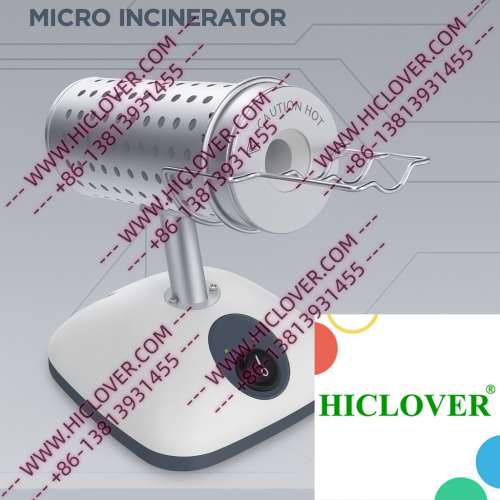
- Biosafety cabinet operations: In BSL-2 and BSL-3 settings, micro incinerators are vital for sterilizing tools used in the safe handling of pathogens. Their compact nature and easy integration into workflow systems allow researchers to maintain a sterile environment while adhering to stringent biosafety standards.
- Teaching laboratories: Educational institutions can utilize micro incinerators in their lab sessions to train students on safe sterilization practices. The rapid sterilization process helps students gain hands-on experience without compromising safety, as they can sterilize tools at their stations without the risk of open flames.
Compliance with Biosafety Standards
Laboratory sterilization practices are governed by various biosafety compliance standards, including recommendations from the WHO. Flame sterilizers often have limitations in cleanroom settings due to the potential for flame-induced contamination, which can lead to severe consequences. The use of micro incinerators eliminates these risks, ensuring that labs remain compliant with international sterilization standards.
The absence of open flames enhances safety protocols, particularly in clean environments where sterilization by flame is prohibited. Laboratories that integrate micro incinerators can also expect to improve overall hygienic conditions, which is essential for maintaining the integrity of ongoing research and experimental results.
Advantages of Micro Incinerators over Traditional Flame Sterilizers
| Feature | Micro Incinerator | Traditional Flame Sterilizer |
|---|---|---|
| Safety | Flame-free operation, clean-bench-safe | Risk of aerosol contamination |
| Efficiency | Rapid thermal sterilization with minimal downtime | Longer sterilization times and inconsistent results |
| Control | Precise temperature control with infrared technology | Flame control can be inconsistent |
| Suitability | Ideal for clean rooms and labs needing strict compliance | Limitations in certain environments |
Conclusion: The Future of Sterilization in Cape Town’s Labs
The adoption of micro incinerators like the Infrared Inoculating Loop Sterilizer heralds a transformative shift in the landscape of waste management and sterilization in laboratories across Cape Town. With their enhanced safety features, compliance with rigorous biosafety standards, and ability to improve workflows significantly, these devices represent the future of laboratory sterilization.
If you’re ready to elevate your lab’s sterilization protocols and invest in a crucial piece of equipment for your operations, consider contacting us for more information about our range of micro incinerators. Your laboratory deserves effective, safe, and efficient sterilization solutions.
FAQs
- What is a micro incinerator? A micro incinerator is a laboratory sterilization device that utilizes infrared heating technology to achieve rapid thermal sterilization without the use of flames.
- How does a micro incinerator compare to traditional sterilizers? Micro incinerators offer enhanced safety, efficiency, and compliance, making them preferable over traditional flame sterilizers in many laboratory settings.
- Can micro incinerators be used in cleanrooms? Yes, micro incinerators are designed for cleanroom environments due to their flame-free operation and low risk of contamination.
- What types of labs benefit the most from micro incinerators? BSL-2 and BSL-3 microbiology labs, clinical diagnostics labs, and educational laboratories can all benefit from the use of micro incinerators.
- Are micro incinerators compliant with WHO standards? Yes, they are designed to meet or exceed international sterilization standards, including those set by the World Health Organization.
Categories:
Tags: