
As the demand for laboratory biosafety continues to rise, the challenges associated with effective sterilization methods are more prominent than ever, particularly within developing nations like Ethiopia. The need for efficient and safe disposal of waste, especially in BSL-2 and BSL-3 microbiology labs, has driven the innovation of compact and advanced sterilization technologies. Among these innovations, the Micro Incinerator, particularly the Infrared Inoculating Loop Sterilizer, is becoming a vital solution for modern laboratories tackling sterilization workflow demands.
Understanding Micro Incinerators and Their Technical Principles
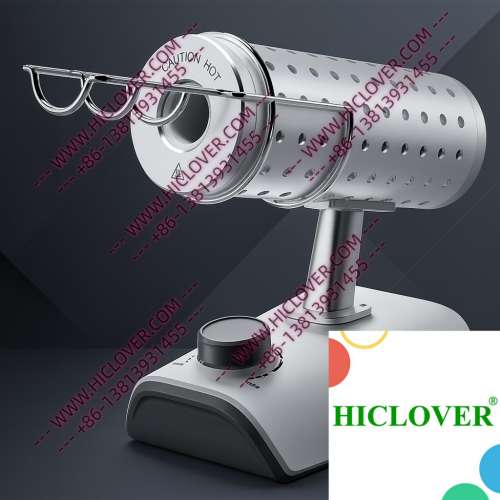
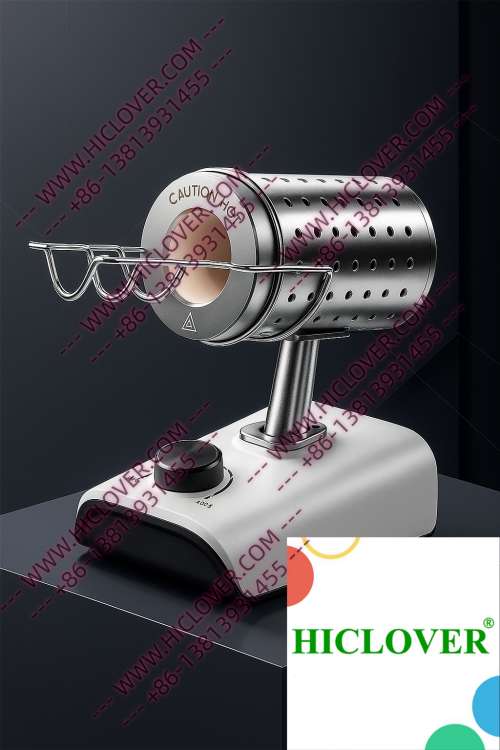
The Micro Incinerator operates through the principle of rapid thermal sterilization using infrared heat. This advanced sterilization method is environmentally friendly and effective, utilizing an enclosed ceramic heating chamber that can reach high temperatures without the production of flames. Unlike traditional methods that employ alcohol lamps or Bunsen burners, the Micro Incinerator provides a controllable, clean, and safe way to achieve high-temperature disinfection, which is critical in preventing contamination in sterile environments.
When you activate the infrared heating element, the enclosed ceramic tube quickly reaches the necessary sterilization temperature. This process ensures that inoculating loops, needles, and other laboratory tools can be safely and effectively sterilized within seconds, providing an efficient turnaround that traditional methods simply cannot match.
Practical Laboratory Scenarios for Micro Incinerators
- Biosafety Cabinets: In a clinical diagnostics laboratory, the Micro Incinerator can be seamlessly integrated into a biosafety cabinet. This ensures that when conducting sensitive manipulations of pathogenic samples, there is no risk of open flames affecting the sterile environment, thus maintaining compliance with WHO biosafety standards.
- Teaching Labs: University teaching labs now frequently adopt Micro Incinerators to ensure that students learning about laboratory safety have hands-on experience with modern sterilization techniques. By using IR sterilizers, educational institutions emphasize the importance of contamination control while providing a user-friendly and safe experience.
Environmental Compliance and Safety Considerations
Adopting Micro Incinerator technology goes beyond convenience. It aligns with various biosafety compliance requirements, significantly reducing the risks associated with flame use in cleanrooms. Regulatory bodies, including the WHO, recommend methods that eliminate flame hazards in laboratory environments to prevent unintended exposure and accidents.
In Ethiopia, where healthcare and safety regulations are becoming more stringent, facilities are transitioning from traditional flame sterilizers to Infrared Inoculating Loop Sterilizers. These products facilitate adherence to sterilization protocols that minimize aerosol production, fitting within the global push for lower environmental impact and higher safety standards in laboratory settings.
Comparison of Heating Technologies
| Feature | Micro Incinerator | Flame Sterilizers |
|---|---|---|
| Heat Source | Infrared, enclosed ceramic | Open flame |
| Safety | Low risk of accidental fires | High risk of fire hazards |
| Environmental Impact | Reduced emission, cleaner | Potentially harmful due to fuel combustion |
| Time Efficiency | Rapid heating cycles | Longer wait for flame stabilization |
| Cost of Operation | Lower energy consumption | Higher due to fuel costs |
FAQs about Micro Incinerators in Laboratories
1. How do Micro Incinerators improve laboratory sterilization efficiency?
Micro Incinerators enhance efficiency by providing rapid thermal sterilization, drastically reducing the time needed for sterilizing inoculating loops and other equipment.
2. Are Micro Incinerators safe to use in cleanrooms?
Yes, they are designed for cleanrooms as they eliminate open flames, thus minimizing contamination risks and adhering to strict biosafety compliance.
3. What are the environmental benefits of using Infrared Sterilizers?
Infrared Sterilizers have a lower environmental impact due to reduced emissions and energy consumption compared to traditional flame sterilizers.
4. Can Micro Incinerators handle various lab equipment?
Yes, they are versatile and can effectively sterilize inoculating loops, needles, and various small laboratory instruments.
5. How does the initial investment compare with long-term savings?
While the initial investment may be higher, the long-term savings in energy costs and improved productivity often outweigh the cost over time.
Conclusion
As Ethiopia and similar regions continue to evolve in laboratory practices, the role of Micro Incinerators, specifically the Infrared Inoculating Loop Sterilizer, is becoming indispensable. The ability to maintain sterile environments without the risks and inefficiencies of traditional flame sterilizers places these devices at the forefront of laboratory innovation. For laboratories looking to improve their sterilization workflows and compliance with biosafety standards, investing in a Micro Incinerator presents a significant opportunity.
To learn more about our range of Micro Incinerators and how they can transform your laboratory’s sterilization practices, feel free to reach out for a consultation!
Categories:
Tags: