
In the vibrant yet challenging landscape of Sudan’s laboratories, a persistent threat looms—infection risks that can jeopardize both research integrity and public health. As laboratory Biosafety Level (BSL)-2 and BSL-3 labs emerge and expand, the need for effective sterilization solutions becomes increasingly important. Traditional flame sterilizers, such as alcohol lamps and Bunsen burners, have long been a staple in these environments. However, innovative solutions like the Micro Incinerator / Infrared Inoculating Loop Sterilizer are paving the way for a new era of hygiene and enhanced workflow efficiency in Sudan’s medical and academic institutions.
The Technical Principle Behind Infrared Sterilization
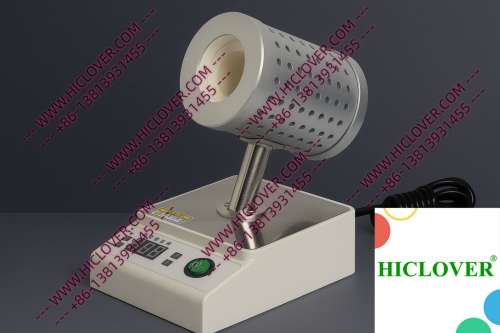
Unlike traditional flame-based methods, which pose risks of contamination and are less efficient, the Micro Incinerator utilizes infrared heat to achieve rapid thermal sterilization. This device operates through an enclosed ceramic heating chamber that emits high-temperature infrared radiation, creating a clean and controlled environment free from open flames. Its design allows for precision in temperature control, ensuring optimal sterilization of inoculating loops and other lab instruments without harmful aerosols or fumes.
Advantages Over Traditional Flame Sterilizers
- Enhanced safety—no open flames in clean rooms
- Rapid heating—instantly ready for use
- Minimal contamination risk—sealed sterilization process
- Eco-friendly—no need for alcohol or other flammable substances
Application Scenarios in Real Labs
One notable scenario involves clinical diagnostics laboratories in Khartoum, where microbiology teams face daily challenges related to antibiotic testing and pathogen identification. Here, the Micro Incinerator allows lab technicians to efficiently sterilize loops prior to culturing samples, significantly reducing the risk of cross-contamination. The compact design is particularly advantageous within biosafety cabinets, where maintaining sterile environments is critical.
Field testing is another domain where the Micro Incinerator demonstrates its versatility. During environmental testing in the Sudanese countryside, researchers often collect samples to analyze potential waterborne pathogens, such as cholera. In these conditions, traditional sterilization tools are impractical due to the risk of flame-related accidents in remote locations. The IR sterilizer provides a portable, reliable option for maintaining sterility during fieldwork, crucial for acquiring uncontaminated samples and data.
Compliance with Biosafety Standards
As the global landscape of laboratory safety evolves, compliance with organizational standards such as the World Health Organization (WHO) guidelines has never been more essential. WHO emphasizes the importance of minimizing infection risks in laboratories, particularly in light of emerging infectious diseases. Further, laboratory sterilization standards, including those established by the CDC and OSHA, reinforce the need for effective, flame-free sterilization methods in clinical and research settings.
In the context of clean rooms and sensitive research environments, the absence of flames is a critical requirement. The Micro Incinerator meets these rigorous standards, allowing laboratories in Sudan to ensure safety without compromising on efficiency or performance.
Comparison Table: Micro Incinerator vs. Flame Burners
| Feature | Micro Incinerator | Flame Burners |
|---|---|---|
| Safety | No open flame; minimal aerosol risk | Open flame; higher risk of contamination |
| Heating Speed | Instant on-demand heating | Variable; requires time to ignite |
| Portability | Lightweight and compact | Usually bulkier, less suited for field |
| Environmental Impact | Environmentally friendly, no flammable substances | Dependent on fuel; higher environmental concerns |
Frequently Asked Questions
What is the advantage of using an infrared inoculating loop sterilizer?
The infrared inoculating loop sterilizer offers enhanced safety, rapid heating, and a minimized risk of contamination compared to traditional flame-based methods.
Can the Micro Incinerator be used in field testing labs?
Yes, its portable design makes it practical for use in mobile or field testing labs, where maintaining sterile techniques is essential.
How does the Micro Incinerator adhere to biosafety standards?
It complies with WHO and other international biosafety standards by eliminating open flames and reducing contamination risks.
Is it easy to maintain the Micro Incinerator?
Absolutely! It requires minimal maintenance and is designed for ease of use in various laboratory settings.
What types of facilities can benefit from the Micro Incinerator?
BSL-2 and BSL-3 microbiology labs, clinical diagnostics, university teaching labs, and field research facilities will find it highly beneficial.
Conclusion
As Sudan embraces advancements in laboratory technology, the Micro Incinerator / Infrared Inoculating Loop Sterilizer stands out as an indispensable tool for maintaining stringent hygiene standards. Its innovative design and compliance with biosafety protocols provide significant advantages over traditional sterilization methods. For laboratories looking to enhance their sterilization workflows and improve safety, exploring the potential of the Micro Incinerator is a prudent next step. Contact us today to discover how this essential piece of equipment can elevate your laboratory practices.
Categories:
Tags: