
Laboratory biosafety presents ongoing challenges, especially concerning the sterilization workflow in pharmaceutical environments. As labs push towards maximum efficiency, the need for reliable sterilization equipment becomes paramount. Enter the Micro Incinerator, a cutting-edge solution that simplifies waste management and enhances safety protocols. This article delves into the technical principles behind micro incinerators, their applications across various lab settings, compliance with global biosafety standards, and why they stand out against traditional flame sterilizers.
Understanding the Micro Incinerator
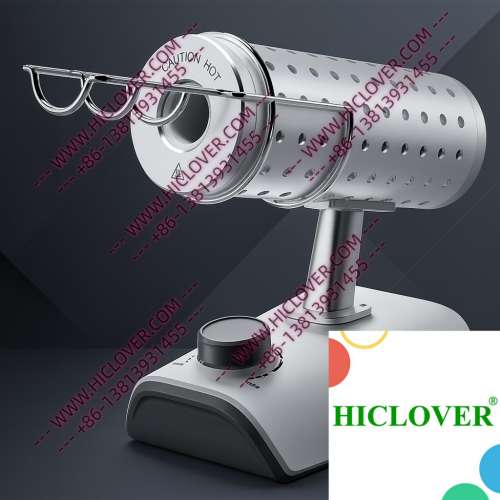
The Micro Incinerator, often known as the Infrared Inoculating Loop Sterilizer, employs advanced infrared heat technology for rapid thermal sterilization. Unlike traditional flame sources like alcohol lamps or Bunsen burners, these devices feature an enclosed ceramic heating chamber that provides targeted, high-temperature disinfection without the risks associated with open flames.
Key features include:
- Rapid Thermal Sterilization: Achieves sterilization in seconds, allowing for greater throughput in busy labs.
- Contamination Control: Reduces the risk of contaminants escaping into the lab atmosphere.
- Ceramic Heating Chamber: Ensures even heat distribution and durability under continuous use.
- Clean-Bench-Safe: Designed to operate without generating aerosols, making it compliant for use within biosafety cabinets.
- Elimination of Flame: No open flames in clean rooms, which minimizes the risk of fire and chemical contamination.
- Efficiency in Sterilization: Meets laboratory sterilization standards for rapid disinfection.
- Aerosol-Free Handling: The enclosed design prevents the spread of aerosols, promoting a safer working environment.
Applications in Real-World Laboratories
Micro Incinerators are versatile tools across various laboratory environments. Here are two compelling application scenarios:
Biosafety Cabinets
In BSL-2 and BSL-3 microbiology labs, the threat of biohazard contamination is ever-present. Using a Micro Incinerator within biosafety cabinets allows for effective sterilization of inoculating loops, pipette tips, and other instruments without compromising the sterile environment. The micro incinerator’s design prevents the production of aerosols and unsafe emissions, making it a must-have for labs prioritizing both safety and efficiency.
Field Testing and Mobile Labs
In field testing scenarios, particularly within rural or remote areas, the accessibility of reliable sterilization equipment can be problematic. The Micro Incinerator is lightweight and compact, allowing mobile lab technicians to perform rapid, on-site sterilization without the need for heavy equipment or hazardous materials. This portability ensures that high safety standards are maintained, even outside the traditional laboratory environment.
Compliance with Biosafety Standards
Globally recognized health organizations, such as the WHO, advocate for stringent biosafety standards in laboratory practices. Compliance with these standards is essential to protect lab personnel and the community from potential biological hazards. Micro incinerators align with these requirements, particularly in their:
Comparison: Micro Incinerator vs. Flame Burners
| Feature | Micro Incinerator | Flame Burners |
|---|---|---|
| Flame Type | Infrared | Open Flame (Bunsen, Alcohol Lamp) |
| Temperature Control | Precise | Variable |
| Aerosol Production | No | Yes |
| Portability | High | Low |
| Compliance with Clean Room Standards | Yes | No |
Frequently Asked Questions
1. What types of laboratories benefit most from using a Micro Incinerator?
Micro Incinerators are ideal for BSL-2 and BSL-3 microbiology labs, clinical diagnostic settings, and even mobile field testing labs where efficient and safe sterilization is critical.
2. How does the Micro Incinerator ensure safety in my lab?
The enclosed design prevents aerosol generation, and its infrared heating method eliminates the need for open flames, making it suitable for use in clean environments.
3. Can I use a Micro Incinerator in a biosafety cabinet?
Yes, Micro Incinerators are specifically designed to be used safely within biosafety cabinets to facilitate seamless sterilization without contaminating the sterile airflow.
4. How long does it take to sterilize an inoculating loop?
The Micro Incinerator can sterilize an inoculating loop in seconds, making it a highly efficient tool for laboratory workflows.
5. Are Micro Incinerators compliant with international biosafety standards?
Yes, these devices are designed to meet the stringent biosafety and sterilization standards set by global authorities, including WHO guidelines.
Conclusion
In the quest for improved lab safety and efficiency, the integration of Micro Incinerators into sterilization protocols represents a significant advancement. By streamlining waste management and enhancing contamination control, these devices not only protect laboratory personnel but also uphold compliance with critical biosafety regulations. Explore the benefits of the Micro Incinerator today; contact us for more information about how it can transform your laboratory operations.
Categories:
Tags: