
In the realm of laboratory operations, particularly within water quality laboratories, biosafety and sterilization workflows are paramount. With the growing emphasis on contamination control, laboratories consistently wrestle with the challenge of ensuring that tools and equipment are adequately sterilized without compromising safety or efficiency. Traditional methods, such as Bunsen burners and alcohol lamps, present several inherent risks, including aerosol generation and the potential for cross-contamination. As a result, more laboratories are turning to innovative solutions like micro incinerators to address these pressing needs while enhancing operational workflows.
Understanding Micro Incinerators and Their Technology
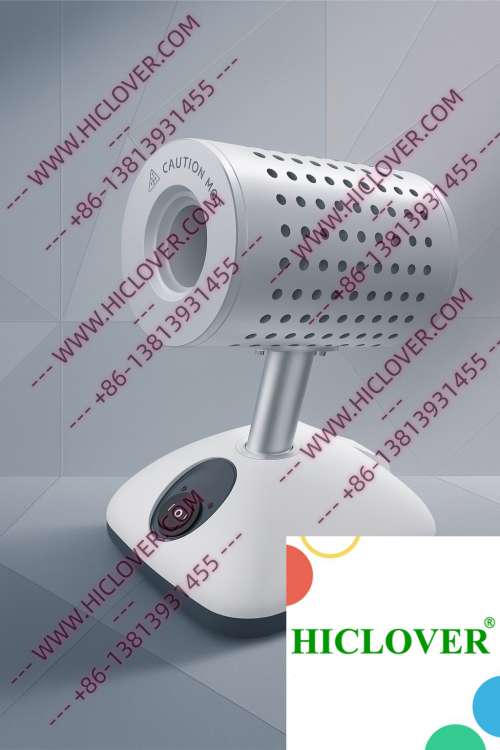
Micro incinerators, specifically the Micro Incinerator / Infrared Inoculating Loop Sterilizer, utilize infrared heating technology to provide rapid thermal sterilization. This advanced device comprises an enclosed ceramic tube that generates concentrated infrared heat, allowing for quick and effective disinfection of inoculating loops, needles, and other small tools. Unlike traditional flame sterilizers, micro incinerators offer a clean and safe sterilization process without the risks associated with open flames.
The infrared heating element operates by quickly raising the temperature of the ceramic tube, achieving high heat (>800°C) within a matter of seconds. This high-temperature environment ensures the effective killing of bacteria and other microorganisms in a streamlined and secure manner, aligning perfectly with modern laboratory demands.
Applications of Micro Incinerators in Laboratory Settings
Micro incinerators find extensive application across various types of laboratories, tailored to meet specific needs. Here are two distinct scenarios illustrating their effectiveness:
1. Use in Biosafety Cabinets
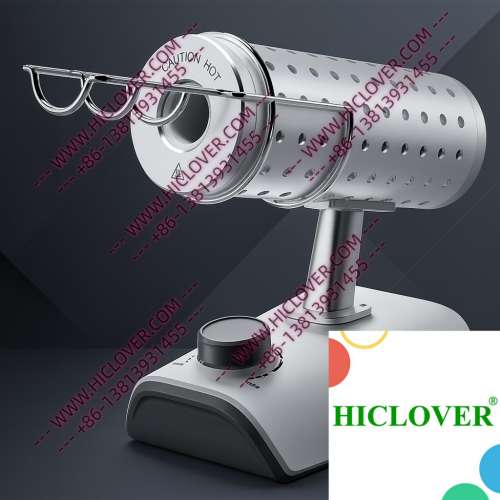
In BSL-2 and BSL-3 microbiology labs, where the handling of pathogenic microorganisms is routine, contamination control is crucial. Micro incinerators can be conveniently placed within biosafety cabinets for safe sterilization of tools during experiments. This setup allows researchers to maintain a sterile workspace without introducing additional contamination risks from traditional flame-based methods. The absence of open flames also ensures that flammable materials in the cabinet remain safe, providing further peace of mind.
2. Field Testing and Mobile Labs
Field testing often involves laboratory operations outside traditional settings, leading to unique challenges in sterilization. In scenarios where mobility is necessary, micro incinerators offer portable, effective sterilization without the dependency on fuels or external sources of ignition. This aspect is particularly beneficial for NGOs and environmental testing teams operating in remote areas, facilitating efficient contamination control regardless of location.
Compliance with Biosafety Standards
Compliance with biosafety standards is critical to laboratory operations. The World Health Organization (WHO) has outlined various guidelines for laboratory sterilization, including protocols that minimize risks during pathogen handling. The use of micro incinerators aligns with these standards, as they eliminate the hazards associated with flame sterilizers.
- No open flames in clean rooms and BSL laboratories
- Reduced risk of aerosol generation
- Effective against a wide range of microorganisms
- Compact design suitable for various laboratory environments
Utilizing micro incinerators contributes to a safer working environment, ensuring compliance with industry standards and best practices. Their rapid sterilization capabilities also align with laboratory efficiency targets, making them an immensely valuable addition to any setup.
Micro Incinerators vs. Traditional Flame Sterilizers
When contrasting micro incinerators with traditional flame sterilizers, several key differences emerge, emphasizing the advantages of this innovative technology:
| Feature | Micro Incinerator | Traditional Flame Sterilizer |
|---|---|---|
| Safety | No open flame, reduced risk of burns and explosions | Open flame poses risks of fire and burns |
| Efficiency | Rapid heating and sterilization within seconds | Longer heating times and inconsistent sterilization |
| Contamination Control | Aerosol-free handling with minimal risk | Aerosol generation can lead to cross-contamination |
| Ease of Use | Compact, portable design for various applications | Bulkier, often requiring a stable setup |
| Biosafety Compliance | Increases adherence to WHO guidelines | Risk of non-compliance due to aerosol features |
Frequently Asked Questions About Micro Incinerators
- What is the maximum temperature achieved by a micro incinerator?
Micro incinerators can reach temperatures exceeding 800°C for rapid sterilization. - Are micro incinerators suitable for all laboratory environments?
Yes, they are designed for various settings, including BSL-2, BSL-3 labs, and field applications. - How does the use of a micro incinerator enhance laboratory safety?
By eliminating open flames and reducing aerosol generation, micro incinerators create a safer working environment. - Can micro incinerators be used for sterilizing larger instruments?
They are primarily designed for small tools and inoculating loops but are highly effective for those items. - What maintenance is required for a micro incinerator?
Routine cleaning and ensuring the ceramic tube remains intact are essential for optimal performance.
Conclusion
As laboratories increasingly seek ways to enhance biosafety and improve sterilization workflows, micro incinerators offer a compelling alternative to traditional flame sterilizers. Their rapid thermal sterilization capabilities, combined with superior safety features and compliance with biosafety standards, make them an invaluable tool in any laboratory setting. Whether you are operating a university teaching lab, a clinical diagnostics center, or a field testing site, a micro incinerator can significantly elevate your operational efficiency. For more details or to make a purchase, please don’t hesitate to get in touch with us today.
Categories:
Tags: