
In modern laboratories, the challenge of maintaining rigorous biosafety standards while ensuring efficient workflows is paramount. The demand for advanced sterilization techniques has led to the development of innovative solutions that address both contamination control and user safety. Among these, the Micro Incinerator or Infrared Inoculating Loop Sterilizer stands out due to its remarkable efficiency and low environmental impact.
Technical Principles of Micro Incinerators
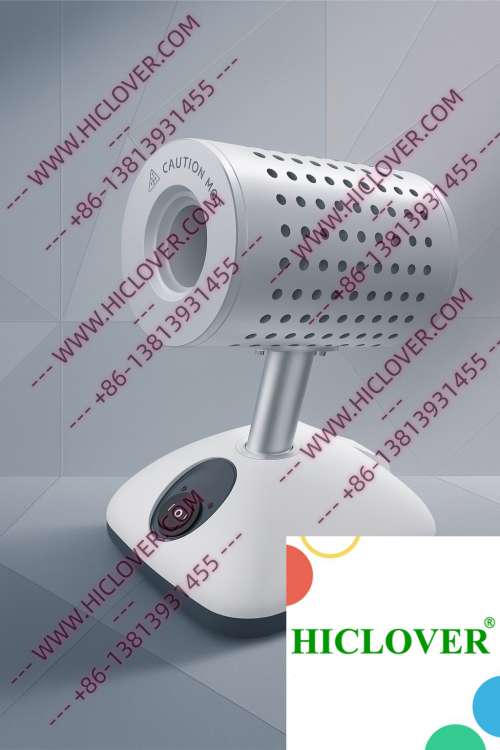
The core technology behind the Micro Incinerator is its infrared heating system. Instead of traditional flame-based sterilization methods such as alcohol lamps or Bunsen burners, the Micro Incinerator employs an enclosed ceramic tube that radiates infrared heat. This technology ensures that items are rapidly and thoroughly sterilized through high-temperature disinfection, achieving temperatures of up to 850°C in seconds.
The design minimizes the release of harmful aerosols, offering a clean-bench-safe alternative that preserves the sterile environment often required in laboratories. This is particularly advantageous for working within a biosafety cabinet, where maintaining a sterile field is critical for sample integrity and operator safety.
Applications in Laboratory Settings
Biosafety Cabinets
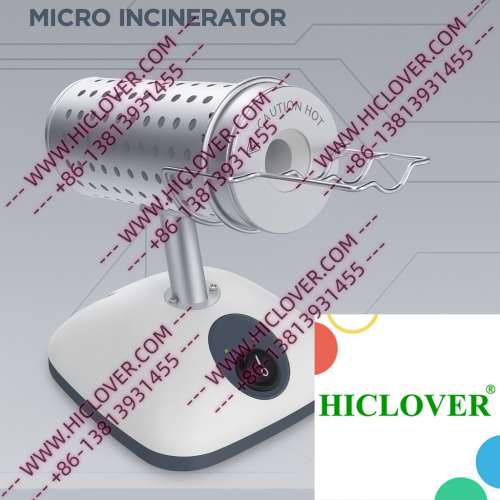
In BSL-2 (Biosafety Level 2) and BSL-3 laboratories, where biological agents pose moderate to high risks, using a Micro Incinerator can substantially enhance safety protocols. Its ability to sterilize inoculating loops and other lab equipment without generating flames or smoke reduces the risk of accidental fires or contaminant disturbances. Operators can work safely within a controlled airflow, ensuring optimal protection from hazardous materials.
Field Testing and Teaching Labs
In mobile or field testing labs, particularly in remote areas where power sources may be limited, the lightweight and portable design of the Micro Incinerator allows for swift sterilization on-site. University teaching labs also benefit from this device; students learn sterile technique without the dangers posed by traditional flame sterilizers. The low-smoke operation fosters a safer learning environment and encourages adherence to rigorous sterilization standards.
Compliance with Health and Safety Standards
Adhering to biosafety and sterilization compliance is crucial in laboratory settings. The World Health Organization (WHO) promotes stringent practices to mitigate risks associated with handling pathogenic materials. The use of traditional flame sterilizers in clean rooms can violate these standards, as they pose fire hazards and introduce contaminants.
The Micro Incinerator aligns with international lab sterilization standards, providing a reliable solution that meets safety requirements in clinical diagnostics, research, and academic settings. Additionally, its operational design ensures there are no open flames, making it particularly suited for BSL-2 and BSL-3 microbiology labs, which require stringent measures to prevent contamination.
Comparison of Micro Incinerator vs. Traditional Flame Sterilizers
| Feature | Micro Incinerator | Traditional Flame Sterilizer |
|---|---|---|
| Heating Method | Infrared heat | Open flame |
| Smoke Emission | Low-smoke | High-smoke |
| Portability | High | Low |
| Ergonomics | Easy to use within biosafety cabinets | Requires careful handling to avoid accidents |
| Environmental Impact | Minimal | Higher due to flame and smoke |
FAQs About Micro Incinerators
- What is the primary advantage of using a Micro Incinerator over traditional flames?
The Micro Incinerator offers rapid thermal sterilization without the risks associated with open flames, such as fires and smoke contamination. - Can a Micro Incinerator be used in field testing scenarios?
Yes, its portable design and efficient sterilization capabilities make it ideal for use in field laboratories. - How does the Micro Incinerator ensure compliance with biosafety standards?
Its low-smoke operation reduces the risk of contamination and fire, aligning with WHO biosafety guidelines. - Is it safe to use the Micro Incinerator in a biosafety cabinet?
Absolutely, its design allows for safe use within a biosafety cabinet without compromising the sterile environment. - What types of materials can be sterilized using a Micro Incinerator?
It is effective for sterilizing inoculating loops, glassware, and metal instruments used in microbiological practices.
Conclusion: Transform Your Sterilization Practices Today
The transition from traditional flame sterilizers to advanced devices like the Micro Incinerator / Infrared Inoculating Loop Sterilizer marks a significant leap forward in laboratory safety and efficiency. By adopting this technology, laboratories can ensure compliance with biosafety standards while enhancing workflow efficiency and personnel safety. For anyone looking to revolutionize their sterilization practices, we encourage you to explore the possibilities offered by Micro Incinerators. Contact us today for more information on how to incorporate this innovative technology into your laboratory.
Categories:
Tags: