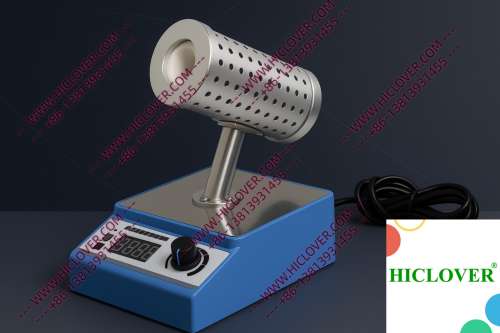
In the fast-paced environment of modern laboratories, the need for effective sterilization equipment cannot be overstated. Laboratories face numerous biosafety challenges, from preventing contamination to ensuring safe handling of pathogens. As the demand for reliable sterilization methods rises, the Micro Incinerator or Infrared Inoculating Loop Sterilizer has emerged as a popular solution. This article will explore the market for these devices, examining their advantages over traditional flame sterilizers, their applications, and compliance with safety standards.
Understanding Micro Incinerators
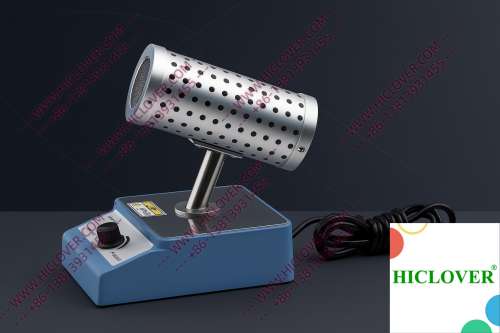
At the core of the Micro Incinerator’s capability is its advanced technical principle: infrared heat. This technology utilizes a high-performance ceramic heating chamber that delivers rapid thermal sterilization. The enclosed design minimizes aerosol production, making it suitable for cleanroom environments and BSL-2 microbiology labs. The Micro Incinerator is designed to achieve high temperatures quickly, allowing for efficient and effective sterilization of inoculating loops, needles, and other small laboratory instruments.
Applications in Laboratory Settings
1. Biosafety Cabinets
In BSL-2 and BSL-3 laboratories, strict adherence to sterilization standards is vital to prevent the contamination of samples and maintain a safe working environment. Micro Incinerators can be conveniently placed within biosafety cabinets, allowing researchers to sterilize tools without exposing them to ambient air, thus maintaining the integrity of the laboratory atmosphere.
2. Field Testing Laboratories
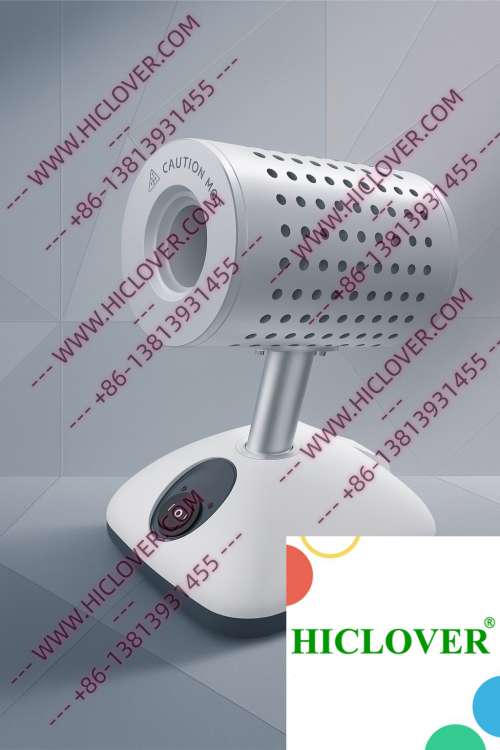
For laboratories conducting field testing or mobile biomedical analysis, Micro Incinerators provide a portable and efficient solution. The lightweight design and quick sterilization capabilities facilitate onsite testing, ensuring that equipment remains sterile even in challenging environments. This is particularly crucial in clinical diagnostics and studies involving infectious agents.
- Rapid thermal sterilization of loops and needles
- Compact design perfect for mobile usage
- Aerosol-free handling to reduce contamination risk
Compliance and Environmental Considerations
Globally recognized organizations, such as the World Health Organization (WHO), emphasize the necessity of adhering to guidelines for laboratory biosafety. Implementing advanced sterilization technologies like Micro Incinerators helps laboratories comply with established sterilization standards. Notably, the absence of an open flame makes Micro Incinerators a safer choice in cleanrooms, mitigating the risks associated with traditional flame sterilizers such as alcohol lamps and Bunsen burners.
Moreover, the design of Micro Incinerators allows for efficient operation without producing hazardous fumes, thus adhering to environmental safety requirements and supporting sustainable laboratory practices.
Comparison Table: Micro Incinerator vs. Flame Burners
| Feature | Micro Incinerator | Traditional Flame Burner |
|---|---|---|
| Sterilization Speed | Rapid | Moderate |
| Safety | No open flame, aerosol-free | Open flame, risk of splashes |
| Portability | Highly portable | Less portable (may require steady surface) |
| Use in Cleanrooms | Yes | No |
| Versatility | Multiple instruments | Limited to loops and needles |
Frequently Asked Questions (FAQs)
What is a Micro Incinerator?
A Micro Incinerator, or Infrared Inoculating Loop Sterilizer, is a laboratory device designed for rapid, effective sterilization of various tools using infrared heat technology.
How does a Micro Incinerator differ from traditional sterilization methods?
Unlike traditional flame sterilizers, Micro Incinerators offer rapid thermal sterilization without open flames, reducing contamination risks and providing cleaner handling.
What are the primary applications for Micro Incinerators?
Micro Incinerators are commonly used in biosafety cabinets, field testing labs, clinical diagnostics, and university teaching labs for their efficiency and safety.
Are Micro Incinerators compliant with biosafety regulations?
Yes, Micro Incinerators meet the biosafety standards recommended by organizations like the WHO, making them suitable for use in various laboratory environments.
What advantages do Micro Incinerators provide in a cleanroom setting?
Their enclosed design and absence of an open flame make Micro Incinerators ideal for cleanroom environments, ensuring minimal contamination and providing enhanced safety.
Conclusion
Choosing the right sterilization equipment is crucial for maintaining laboratory safety and efficiency. Micro Incinerators offer numerous advantages over traditional flame sterilizers, making them an essential investment for laboratories across the USA. Whether you’re operating in a BSL-2 microbiology lab, a clinical diagnostics environment, or conducting mobile field testing, the Micro Incinerator stands out as a reliable, clean, and effective solution. For more information or to explore purchasing options, contact us today and elevate your sterilization workflow!
Categories:
Tags: