
The safety and efficiency of microbiological practices are paramount in the labs of Mexico, where both academic and healthcare research is advancing rapidly. Laboratory professionals often face significant biosafety challenges, particularly in sterilization workflows. Contamination control is critical, especially as laboratories transition toward improving their sterilization methods. Traditional flame sterilizers, such as alcohol lamps and Bunsen burners, pose risks including aerosol generation and increased fire hazards, which underscores the pressing need for modern alternatives. One such solution is the Micro Incinerator or Infrared Inoculating Loop Sterilizer.
Understanding Micro Incineration
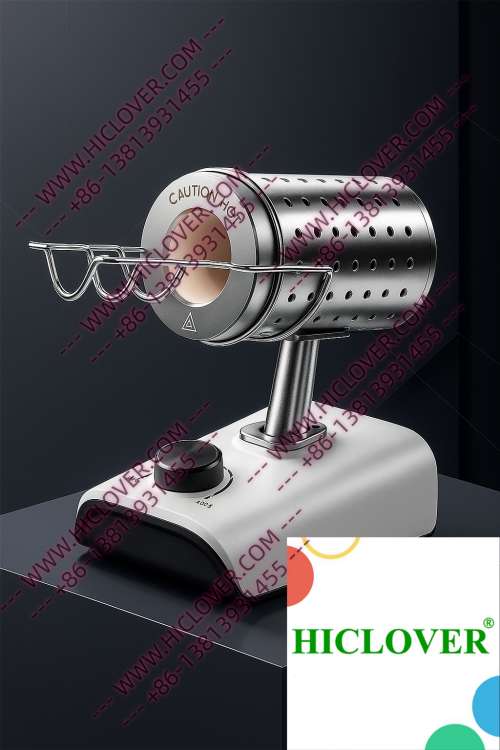
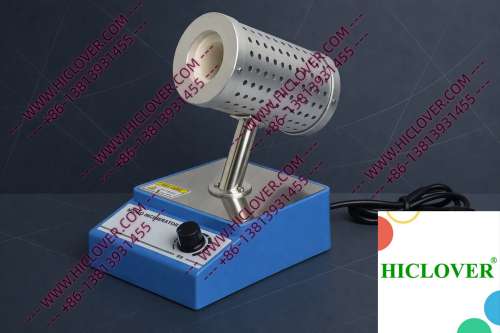
The Micro Incinerator operates on the principles of rapid thermal sterilization. Utilizing an enclosed ceramic tube, this device achieves high temperatures through infrared heat, effectively eliminating pathogens within seconds. Unlike traditional flame-based systems, the infrared technology allows for a consistent and controlled heat application, resulting in efficient high-temperature disinfection without the risks of open flames or combustion byproducts.
Advantages of Micro Incinerators
- Non-flame operation: Ensures safety in clean rooms and biosafety cabinets.
- Rapid sterilization: Reduces wait time, thereby improving overall workflow efficiency.
- Reusable loops: Minimizes waste compared to single-use sterilization products.
- Eco-friendly: Reduces environmental impact by eliminating the need for fuel-based burners.
- Consistent results: Guarantees uniform sterilization across all tools and surfaces.
Practical Applications in Laboratories
The utility of Micro Incinerators spans a broad range of laboratory settings. Here are two specific scenarios:
1. BSL-2 and BSL-3 Laboratory Environments
In BSL-2 and BSL-3 microbiology labs, personnel must adhere to stringent biosafety measures to prevent contamination and ensure reliable test results. Here, Micro Incinerators are invaluable. The infrared sterilizer is often positioned within biosafety cabinets, especially during activities requiring sterile tools to handle biohazardous materials. Lab technicians appreciate the device’s quick sterilization capability, which supports the rapid turnover of instruments—critical for maintaining research continuity.
2. University Teaching Labs
In educational institutions, teaching laboratories face unique challenges. Ensuring that students understand sterilization protocols while maintaining safety standards is essential. The Micro Incinerator provides a clear advantage; educators can demonstrate effective sterilization techniques without introducing the complexities or risks associated with flame. This setup encourages a hands-on learning experience, equipping future scientists with safe practices.
Biosafety Compliance and Environmental Considerations
The World Health Organization (WHO) has established rigorous biosafety standards for laboratories, especially those working with infectious agents. Compliance with these standards is vital for research facilities, hospitals, and universities in Mexico. Using a Micro Incinerator contributes to maintaining operational compliance, as it eliminates the dangers of flame in clean rooms and limits aerosol generation. Furthermore, this technology aligns with modern environmental considerations, fostering a greener approach to laboratory operations.
| Feature | Micro Incinerator | Flame Sterilizers |
|---|---|---|
| Safety | Non-flame operation, reduced aerosol | Open flames, higher fire risk |
| Efficiency | Quick sterilization in seconds | Longer wait times, inconsistent |
| Environmental Impact | Eco-friendly, no fuel needed | Requires combustible materials |
| Ease of Use | Simple operation, minimal training | More complex to manage |
Frequently Asked Questions (FAQs)
What is a Micro Incinerator, and how does it work?
A Micro Incinerator is a sterilization device that utilizes infrared heat within a ceramic enclosure to rapidly disinfect inoculating loops and tools, effectively killing microbial life without creating aerosols.
How does the Micro Incinerator improve laboratory safety?
By eliminating open flames and reducing the risk of fire hazards and aerosol contamination, the Micro Incinerator enhances biosafety practices in laboratories.
Can the Micro Incinerator be used in field testing applications?
Yes, the portability of Micro Incinerators makes them suitable for mobile or field testing labs where sterile conditions are essential for accurate rapid diagnostics.
As laboratories in Mexico and beyond strive for greater safety and efficiency, the adoption of technologies like Micro Incinerators reflects a commitment to high standards in microbiology practices. By prioritizing contamination control and aligning with biosafety standards, researchers and educators can foster innovative and responsible scientific exploration.
Conclusion
If your laboratory is seeking an effective solution for sterilization needs, consider the Micro Incinerator as an invaluable addition to your workflow. Its combination of safety, efficiency, and compliance with biosafety regulations presents a compelling case for investment. For inquiries about purchase or further information, feel free to contact us today.
Categories:
Tags: