
In the field of laboratory biosafety, the need for effective sterilization equipment is critical. Laboratories face a multitude of challenges regarding contamination control and safer workflows, especially in environments such as BSL-2 and BSL-3 microbiology labs. The increasing reliance on advanced sterilization systems, like the Micro Incinerator or Infrared Inoculating Loop Sterilizer, highlights the necessity for efficient, environmentally compliant solutions.
Understanding the Micro Incinerator
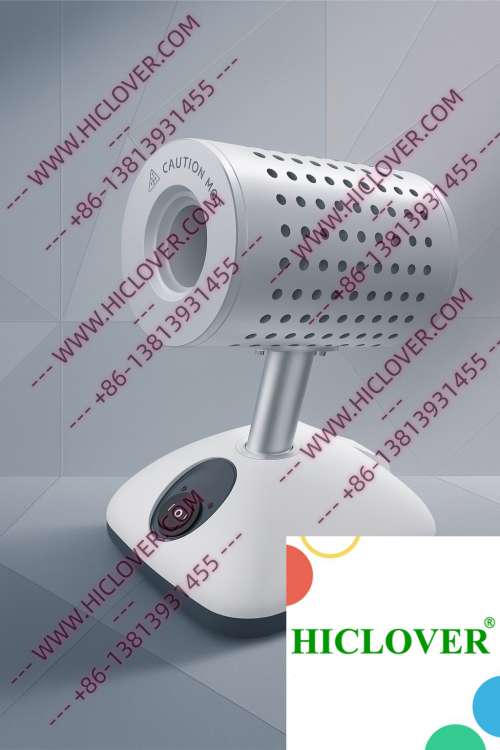
The Micro Incinerator operates on the principle of rapid thermal sterilization. By utilizing infrared heat, it provides effective disinfection of inoculating loops, needles, and other small instruments within seconds. The enclosed ceramic heating chamber facilitates high-temperature disinfection while minimizing exposure to harmful emissions, making it an ideal choice for cleanroom environments.
Technical Features of Micro Incinerators
- Rapid Thermal Sterilization: Achieves sterilization in under 10 seconds.
- Compact Design: Space-efficient unit suitable for laboratory benches.
- Energy Efficiency: Low power consumption compared to traditional flame sterilizers.
- Aerosol-Free Handling: Reduces the risk of airborne contaminant spread.
- Easy Maintenance: Virtually no moving parts, minimizing downtime.
- What is the main advantage of using a Micro Incinerator over traditional flame sterilizers?
The Micro Incinerator offers rapid sterilization, reduces aerosol production, and enhances safety due to its flame-free operation.
- Can Micro Incinerators be used in cleanroom environments?
Yes, their design makes them suitable for cleanrooms, as they do not produce flames or smoke, ensuring a contamination-free working area.
- What types of laboratories typically use Micro Incinerators?
Commonly used in research and clinical diagnostics, Micro Incinerators are also popular in university teaching labs and mobile field testing units.
- How long does it take to sterilize instruments with a Micro Incinerator?
Typically, sterilization occurs within 10 seconds, allowing for quick turnaround and efficiency in laboratory workflows.
- Are there any safety concerns with using a Micro Incinerator?
The Micro Incinerator is designed for maximum safety, operating without flames and significantly reducing the risk of fire hazards or burns.
Application Scenarios in Real Labs
Micro Incinerators are versatile and adaptable, making them ideal for various laboratory settings:
1. Teaching Labs in Universities
In academic environments, teaching labs require robust, user-friendly sterilization equipment. The Micro Incinerator’s intuitive operation allows students to practice aseptic techniques efficiently. Its quick sterilization cycle ensures a smooth workflow, enabling multiple students to utilize the same equipment without delay.
2. Mobile Laboratory Units for Field Testing
When conducting field studies, particularly in remote or outdoor settings, conventional flame sterilizers pose a significant risk. Micro Incinerators provide a safe solution that is portable and effective. Researchers can confidently perform sample collection and preparatory work without the hazards associated with open flames.
Compliance with Laboratory and Biosafety Standards
Strict adherence to biosafety standards is crucial in laboratory environments. The World Health Organization (WHO) provides guidelines emphasizing the importance of aseptic techniques and sterilization methods. Regulations surrounding the use of open flames in clean rooms further bolster the necessity for technologies that enhance safety and efficiency, such as the Micro Incinerator.
Laboratory sterilization standards dictate that equipment must effectively inactivate microorganisms while minimizing potential contamination risks. The Micro Incinerator meets these standards through its innovative design, making it an essential asset in both clinical and research laboratories.
Comparison Table: Micro Incinerator vs. Flame Burners
| Feature | Micro Incinerator | Flame Burner (e.g., Bunsen Burner) |
|---|---|---|
| Sterilization Speed | Under 10 seconds | Varies; generally longer |
| Aerosol Emission | None | Risk of aerosols |
| Energy Consumption | Low | Higher |
| Safety | Flame-free | Open flame |
| Maintenance | Low maintenance | Requires regular upkeep |
Frequently Asked Questions
Conclusion
As laboratories continue to navigate the complexities of biosafety and sterilization, the choice of sterilization equipment is more critical than ever. The Micro Incinerator stands out as a leading solution that combines quality, efficiency, and safety. Whether you’re part of a university, a research facility, or a clinical diagnostic lab, investing in a Micro Incinerator can streamline your processes and ensure compliance with stringent safety standards. For your laboratory’s sterilization needs, consider reaching out to reputable UK suppliers dedicated to high-quality Micro Incinerators.
Categories:
Tags: