
In the ever-evolving landscape of laboratory biosafety, ensuring contamination control while maintaining operational efficiency is paramount. The increasing demand for effective waste disposal solutions has led to the emergence of sustainable technologies, one of which is the Micro Incinerator, specifically the Infrared Inoculating Loop Sterilizer. This advanced device integrates eco-friendly principles into laboratory practices, addressing a myriad of challenges faced by research facilities and teaching laboratories alike.
Understanding the Technical Principles
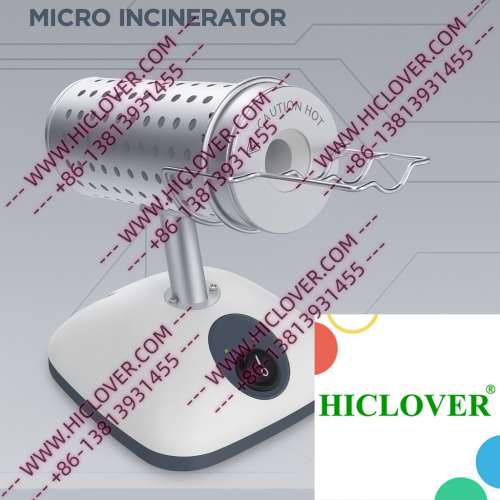
The Micro Incinerator operates on the principle of rapid thermal sterilization, utilizing infrared heat to achieve high-temperature disinfection. Unlike traditional flame sterilizers, which rely on open flames like alcohol lamps and Bunsen burners, the Micro Incinerator features a robust, enclosed ceramic heating chamber. This design ensures that the heat is both concentrated and controlled, allowing for effective sterilization of inoculating loops, needles, and other lab instruments without creating hazardous aerosols.
The infrared technology not only accelerates the sterilization process but also enhances safety protocols within the laboratory environment. With no open flames present, users can perform procedures in a clean-bench-safe manner, significantly reducing the risk of accidental fires and improving air quality within the sterile zones of BSL-2 and BSL-3 microbiology labs.
Applications of Micro Incinerators in Laboratories
The versatility of the Micro Incinerator allows for its effective deployment across various laboratory settings. Here are two predominant application scenarios:
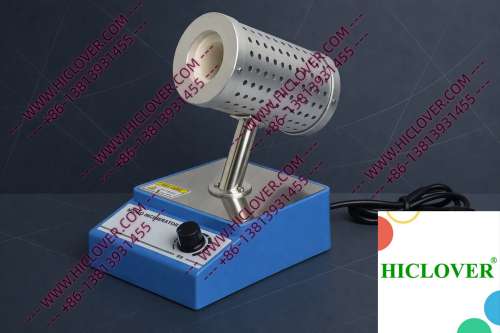
1. University Teaching Labs
In academic settings where students are introduced to microbiological techniques, the Micro Incinerator serves as an ideal teaching tool. Its rapid sterilization capabilities allow students to efficiently prepare their inoculating loops for agar plate work, thereby minimizing downtime and maximizing hands-on experience. The absence of flames fosters a more controlled learning environment, enabling novice students to focus on gaining practical skills without the added concern of managing an open flame.
2. Field Testing Laboratories
Field testing labs often experience unique challenges, especially when working in remote locations. The portability and ease of operation of the Micro Incinerator make it a viable option for transporting sterilization practices to various sites. In this context, researchers can conduct environmental tests without compromising biosafety standards. Its lightweight design coupled with rapid operational capabilities ensures that researchers can carry out essential disinfection procedures on-site with minimal fuss and maximum efficiency.
Compliance and Environmental Standards
Adhering to biosafety regulations is crucial for laboratories operating at any level, particularly in Italy where compliance with stringent WHO biosafety standards is enforced. The Micro Incinerator aligns with these regulations by providing a comprehensive solution that ensures contamination control within laboratory environments. Its use significantly reduces the risks associated with traditional sterilization methods, particularly concerning flame risk in clean rooms which can compromise both safety and sterility.
Moreover, the device’s eco-friendly design contributes to sustainable waste management practices, catering to the needs of laboratories seeking to minimize their environmental footprint. By opting for micro incineration instead of more conventional disposal methods, laboratories can enhance their sustainability initiatives and comply with local and international environmental policies.
Advantages Over Traditional Flame Sterilizers
In comparing the Micro Incinerator with traditional flame sterilizers, distinct advantages are apparent:
| Feature | Micro Incinerator | Flame Burners |
|---|---|---|
| Safety | No open flame, reduces fire risk | Open flame increases fire hazards |
| Efficiency | Rapid thermal sterilization | Slower, variable heat control |
| Contamination Control | Aerosol-free handling | Possible aerosol production |
| Portability | Compact and lightweight | Heavier and more cumbersome |
Frequently Asked Questions
- What are the primary benefits of using a Micro Incinerator for sterilization?
The primary benefits include enhanced safety due to the absence of an open flame, rapid sterilization, and effective contamination control without the risk of aerosol production. - How does the infrared technology in Micro Incinerators improve sterilization?
Infrared technology allows for concentrated heat that quickly and evenly sterilizes instruments, significantly reducing the time needed for effective sterilization. - Are Micro Incinerators compliant with international biosafety standards?
Yes, Micro Incinerators are designed to meet various international biosafety compliance standards, making them suitable for BSL-2 and BSL-3 laboratories. - Can Micro Incinerators be used in field testing applications?
Absolutely. Their portability and ease of use make them ideal for on-site sterilization in field testing environments. - What maintenance is required for a Micro Incinerator?
Regular cleaning of the ceramic heating chamber and routine checks on the infrared elements are recommended to ensure optimal performance.
Conclusion
In summary, the Micro Incinerator and Infrared Inoculating Loop Sterilizer represent a significant leap forward in laboratory sterilization technology. As laboratories in Italy and beyond strive for sustainable solutions in waste management and biosafety compliance, investing in this innovative equipment offers a reliable pathway towards enhanced safety, efficiency, and environmental responsibility. For inquiries or to explore purchasing options, please reach out to our team today!
Categories:
Tags: