
In the realm of laboratory biosafety, the challenge of maintaining a sterile environment while ensuring efficacy in sterilizing equipment is paramount. Laboratory personnel are often tasked with handling various biological agents, making sterilization workflow demands a consistent concern. The integration of advanced sterilization devices like the Micro Incinerator or Infrared Inoculating Loop Sterilizer has changed the game significantly, leading to unparalleled efficiency in sterilization processes across Denmark.
The Technical Principles Behind Micro Incinerators
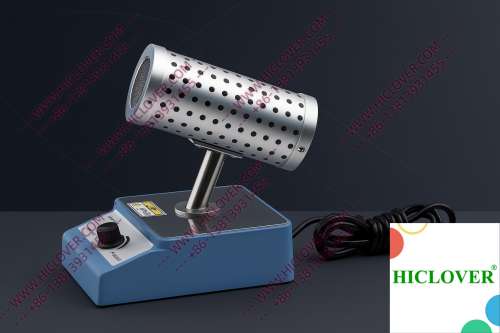
Micro incinerators operate on the principle of rapid thermal sterilization. This sophisticated equipment utilizes an enclosed ceramic tube to produce infrared heat that effectively discharges high temperatures for disinfection purposes. Unlike traditional flame sterilizers like alcohol lamps or Bunsen burners, the infrared high-temperature disinfection offered by micro incinerators eliminates flames, making them a safer choice for labs, especially in BSL-2 and BSL-3 environments. The design ensures that no aerosol from the sterilized loops is released, thus protecting lab personnel from potential contamination.
Laboratory Applications in Denmark
1. Biosafety Cabinets
In biosafety cabinets, where maintaining a sterile workspace is crucial, micro incinerators shine. For instance, a microbiology lab in Copenhagen recently integrated the Micro Incinerator into its workflow to replace outdated flame sterilizers. The infrared inoculating loop sterilizer allowed technicians to quickly sterilize loops and other inoculation tools without exposing them to flaming hazards. The result was not only a safer environment but also a significant reduction in sterilization time.
2. Field Testing Labs
Field testing labs, often located in remote areas, have unique sterilization needs. A recent application in Aarhus involved the use of a Micro Incinerator during a mobile testing campaign for environmental samples. The compact design allowed researchers to efficiently sterilize tools on-site while ensuring compliance with both local and international sterilization standards. This rapid and effective method of sterilization enhanced research quality, allowing for immediate and safe analyses.
Compliance and Environmental Considerations
Compliance with biosafety standards, such as those set by the World Health Organization (WHO) and various laboratory sterilization norms, is critical. Unlike flame sterilizers that pose risks in clean rooms due to open flames and flammable materials, micro incinerators comply with high safety standards. This is crucial for labs involved in clinical diagnostics and in regions like Denmark, where strict environmental protocols are in place.
The Micro Incinerator’s enclosed design means that it not only meets sterilization requirements but also minimizes the risk of contamination. The absence of flame and the clean-bench-safe operation are vital for laboratories working with sensitive biological materials, aligning with Denmark’s commitment to sustainability and safety.
Advantages of Micro Incinerators vs. Traditional Flame Sterilizers
- Rapid Sterilization: Micro incinerators allow for quicker sterilization cycles compared to traditional methods.
- Aerosol-Free Handling: Minimizes the risk of aerosols during sterilization, significantly improving safety.
- Clean-Bench-Safe: As a flame-free solution, they can be employed in sensitive areas without concerns over ignition risks.
- Reduced Contamination: The enclosed design prevents contamination of sterilized instruments, enhancing workflow reliability.
- Lower Environmental Impact: Micro incinerators emit fewer pollutants compared to flame sterilizers, aligning with Denmark’s green initiatives.
Comparison Table: Micro Incinerator vs. Traditional Flame Burners
| Feature | Micro Incinerator | Flame Sterilizers |
|---|---|---|
| Temperature Control | Precise infrared heat | Variable flames |
| Sterilization Time | Rapid | Slower |
| Aerosol Generation | None | Potentially high |
| Compliance with Safety Standards | Yes | Limited |
| Environmental Impact | Low | Higher |
FAQs
- What are the primary benefits of using a Micro Incinerator?
Micro Incinerators offer rapid sterilization, enhanced safety with no flame, and a reduced environmental footprint compared to traditional systems. - How does the infrared heating technology work?
The technology utilizes emitted infrared heat for quick and effective sterilization, ensuring tools reach high temperatures without open flames. - Is a Micro Incinerator suitable for field testing?
Yes, its portability and efficiency make it ideal for mobile and field testing applications. - How does it adhere to laboratory standards?
Micro Incinerators comply with biosafety standards set by WHO and other regulatory bodies, ensuring safe practices. - Can it be used in teaching labs?
Absolutely, its safety features make it a suitable option for educational settings where students handle biological materials.
Conclusion: Embrace a Cleaner Future in Laboratory Sterilization
In summary, the introduction of the Micro Incinerator as a sterilization solution significantly benefits laboratories across Denmark. Whether utilized in BSL-2 microbiology labs or in field testing scenarios, its design offers rapid thermal sterilization and minimizes contamination risks, aligning perfectly with compliance standards. By choosing this advanced equipment, labs can not only enhance their sterilization efficiency but also commit to a cleaner, more sustainable laboratory environment. For further information or to explore purchasing options, feel free to reach out. Let’s drive your laboratory sterilization to new heights!
Categories:
Tags: