
In laboratory environments across Oman, the challenges of maintaining biosafety and efficient sterilization workflows are ever-present. With stringent regulations and a commitment to environmental sustainability, laboratories are continually seeking better solutions for contamination control. The Micro Incinerator, specifically the Infrared Inoculating Loop Sterilizer, has emerged as a beacon of innovation that aligns perfectly with these needs.
Understanding the Technical Principles
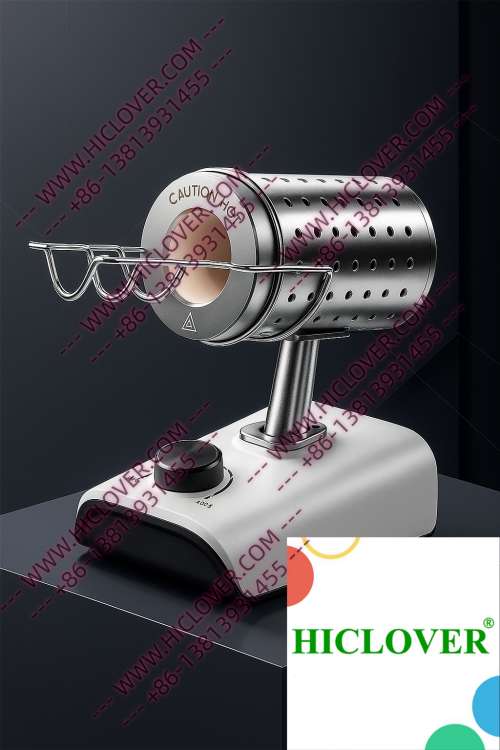
The Micro Incinerator utilizes infrared heat technology to achieve rapid thermal sterilization. This mechanism revolves around a specialized enclosed ceramic tube that provides a controlled heating environment, avoiding the hazardous by-products generated by traditional flame sterilizers.
At the heart of the Micro Incinerator lies a heating chamber that reaches temperatures exceeding 800°C, allowing it to effectively eliminate pathogens without producing harmful aerosols. This becomes especially crucial in modern research labs, where contamination control is paramount.
Versatile Applications in Real Labs
1. Biosafety Cabinet Utilization
In many BSL-2 and BSL-3 microbiology labs, the Micro Incinerator is integrated into biosafety cabinets for loop sterilization. Unlike traditional alcohol lamps or Bunsen burners that introduce flame into the workspace, the Micro Incinerator offers a clean-bench-safe environment, ensuring that sensitive samples and cultures are not at risk of contamination from airborne pathogens.
2. Field Testing Scenarios
Field testing laboratories in Oman, often set up in varying environments, benefit significantly from the portability and ease of use of the Micro Incinerator. Researchers can conduct experiments in remote areas without compromising sterilization effectiveness. This flexibility is essential for conducting high-quality diagnostics and environmental monitoring safely.
Compliance with Global Standards
As laboratories in Oman align their sterilization practices with worldwide safety standards, the Micro Incinerator fits seamlessly into compliance frameworks set forth by organizations such as the World Health Organization (WHO). These guidelines explicitly stress the importance of eliminating open flames in clean rooms and microbiological environments.
According to WHO standards, effective sterilization is crucial for laboratory safety, especially in environments handling infectious agents.
Utilizing the Micro Incinerator means embracing an approach that adheres to these guidelines while promoting a safer workspace.
Advantages Over Traditional Flame Sterilizers
When comparing Micro Incinerators to traditional sterilization methods like alcohol lamps and Bunsen burners, several distinct advantages emerge:
- Greater temperature control and consistency
- Reduced contamination risk from harmful aerosols
- Lower operational costs due to energy efficiency
- Enhanced safety with a flame-free design
- Environmentally-friendly disposal of biological waste
| Feature | Micro Incinerator | Flame Sterilizers |
|---|---|---|
| Temperature Range | Up to 800°C | Varies, typically lower |
| Operational Safety | Flame-free | Risk of fire hazard |
| Efficiency | Rapid heating | Longer heating times |
| Contamination Control | Aerosol-free | Potential for aerosol generation |
Frequently Asked Questions
1. What is the primary function of a Micro Incinerator?
The Micro Incinerator functions primarily to sterilize inoculating loops and other small laboratory tools by using high-temperature infrared heat to eliminate microorganisms safely.
2. How does the Micro Incinerator contribute to biosafety?
This device enhances biosafety by preventing contamination that can arise from traditional flames and aerosols, ensuring a sterile environment for laboratory work.
3. Can the Micro Incinerator be used in field laboratories?
Yes, the Micro Incinerator is portable and designed for use in various settings, including field labs, making it ideal for research in diverse environmental conditions.
4. Are there specific training requirements for using a Micro Incinerator?
While the Micro Incinerator is straightforward to use, proper training on its operation and safety protocols is recommended to maximize its effectiveness and safety.
5. Why is it important to maintain compliance with WHO standards?
Compliance with WHO standards ensures laboratories mitigate risks associated with infectious materials and reinforces public health safety protocols.
Conclusion
Micro Incinerators represent a vital solution in Oman’s evolving environmental strategy for laboratory sterilization. Offering a blend of safety, efficiency, and compliance, these innovative devices promise to revolutionize how laboratories approach contamination control and sterilization workflows. Embracing this technology not only enhances laboratory performance but also aligns with global best practices.
For those looking to enhance their laboratory sterilization capabilities, considering a Micro Incinerator may be an essential step forward. Contact us today to explore our offerings and discover how you can elevate your sterilization processes without compromise!
Categories:
Tags: