
As laboratory biosafety challenges continue to evolve, the need for efficient and effective sterilization workflows has never been greater. The rise of laboratory sterilization equipment, particularly Micro Incinerator / Infrared Inoculating Loop Sterilizers, is transforming the way laboratories in Bahrain manage contamination control. With a growing emphasis on safety and compliance, these advanced devices are setting new standards that meet the unique needs of various research and clinical environments.
Understanding the Technical Principles
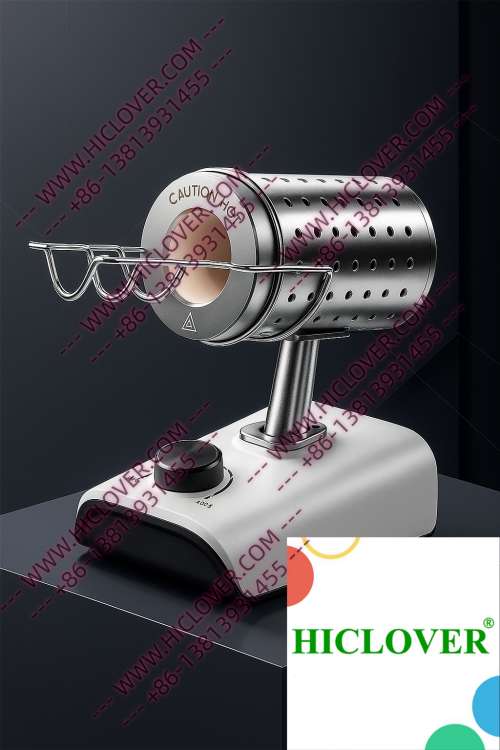
At the heart of the Micro Incinerator lies a breakthrough technology: infrared heat transfer. Utilizing an enclosed ceramic tube, this device achieves rapid thermal sterilization without the use of open flames. The infrared radiation generates high temperatures that effectively disinfect inoculating loops and other tools within seconds. Compared to traditional methods, such as alcohol lamps and Bunsen burners, these sterilizers eliminate the risk associated with combustible materials, making them particularly suitable for clean rooms and BSL-2 / BSL-3 microbiology labs.
Product Configuration and Features
The Micro Incinerator typically features a compact design that integrates easily into any laboratory setup. Key specifications often include:
- Enclosed heating chamber for increased safety
- Adjustable temperature settings for various sterilization needs
- Quick heat-up time, reducing wait periods
- Ceramic heating elements offering longevity and efficiency
- Energy-efficient operation for sustainable laboratory practices
These features enhance the device’s usability while ensuring compliance with safety standards, making it a preferred choice for many laboratory personnel seeking reliable sterilization solutions.
Application Scenarios in Real Laboratories
The versatility of Micro Incinerators is apparent in diverse laboratory settings. Here are two prominent application scenarios:
Biosafety Cabinets
In high-throughput environments such as biosafety cabinets, the Micro Incinerator provides a clean, flame-free method of sterilization. This integration minimizes aerosol generation during the sterilization process, which is vital for protecting both the laboratory personnel and the samples being worked on. The rapid sterilization capabilities allow researchers to maintain workflow efficiency without compromising safety.
Teaching Labs in Universities
University teaching labs benefit significantly from incorporating Micro Incinerators into their curriculum. Not only do these devices offer students hands-on experience with modern sterilization technology, but they also instill best practices in biosafety and contamination control. The rapid thermal sterilization process ensures that students spend less time waiting for equipment to be sterilized, allowing for more practical learning outcomes.
Compliance and Environmental Considerations
Adhering to international biosafety standards, including WHO guidelines, is crucial for laboratories worldwide. The advantages of using Micro Incinerators in compliance with laboratory sterilization standards cannot be overstated. Their use in clean rooms eliminates the risks associated with flames, which can lead to contamination in sensitive environments.
Furthermore, with increasing demands for sustainable practices, Micro Incinerators present an eco-friendly alternative to traditional sterilizers. They produce no harmful emissions or aerosols during operation, aligning with the environmental compliance regulations present in industries across Bahrain.
Comparison Table: Micro Incinerator vs. Flame Burners
| Features | Micro Incinerator | Flame Burner |
|---|---|---|
| Heat Source | Infrared heat | Open flame |
| Risk of Contamination | Minimal | High (flame and aerosols) |
| Energy Efficiency | High | Low |
| Simplicity of Use | Easy | Requires skill and monitoring |
| Temperature Control | Adjustable | Variable |
Frequently Asked Questions (FAQs)
What makes a Micro Incinerator safer than traditional sterilizers?
The enclosed design eliminates the risk of open flames, reducing potential injuries and contamination events. This is particularly significant in sensitive laboratory environments like clean rooms or BSL-2 labs.
How quickly can the Micro Incinerator achieve sterilization?
Most Micro Incinerators are designed to reach sterilization temperatures within seconds, allowing for rapid throughput in busy lab environments.
What types of laboratory settings are best suited for a Micro Incinerator?
This device is ideal for university teaching labs, clinical diagnostics centers, and mobile field testing laboratories, where both safety and efficiency are critical.
Are there any environmental compliance standards that apply to Micro Incinerators?
Yes, they comply with WHO biosafety guidelines and other local and international environmental standards, making them a responsible choice for modern laboratories.
Do Micro Incinerators require any special maintenance?
Routine maintenance is minimal. Regular inspections of the heating elements and ensuring the ceramic tube is free from debris will ensure optimal performance.
Conclusion
The emergence of Micro Incinerator / Infrared Inoculating Loop Sterilizers marks a significant advancement in laboratory sterilization technology in Bahrain. By combining safety, efficiency, and compliance, these devices are redefining standard practices in diverse laboratory settings. For distributors, hospitals, universities, and research centers looking to elevate their sterilization protocols, investing in such advanced equipment is not just beneficial—it’s essential. Don’t miss out on setting new standards in your laboratory; contact us today for more information or to make a purchase!
Categories:
Tags: