
As the demand for advanced laboratory practices continues to grow, safe and efficient sterilization remains a central challenge in research and clinical environments. Traditional methods of sterilization, such as alcohol lamps and Bunsen burners, present various risks, including aerosol generation and flame hazards. In response, the innovation of micro incinerators, particularly the Infrared Inoculating Loop Sterilizer, emerges as a solution tailored to meet the evolving biosafety standards in laboratories, especially in developing nations like Bangladesh.
Key Features of Infrared Inoculating Loop Sterilizers
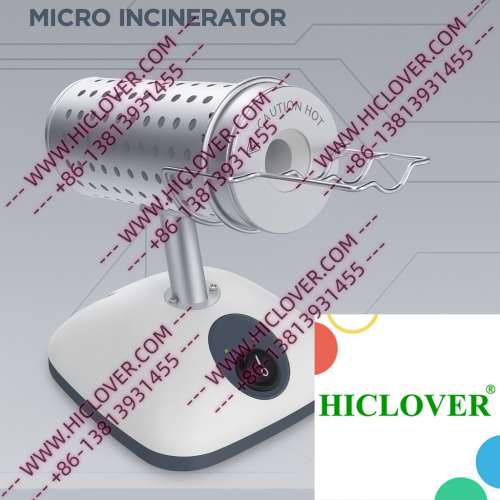
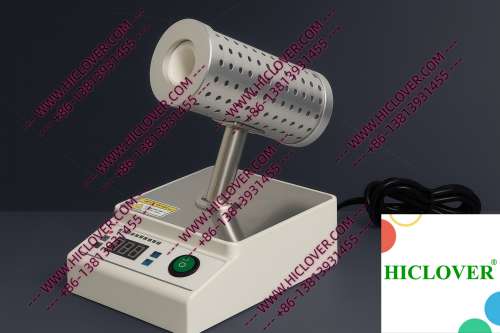
The principle behind the Infrared Inoculating Loop Sterilizer is simple yet effective: it employs infrared heat to provide rapid thermal sterilization without the hazards associated with open flames. The device features a state-of-the-art enclosed ceramic heating chamber that quickly reaches high temperatures, ensuring comprehensive disinfection of inoculating loops and other small laboratory instruments.
- Rapid Thermal Sterilization: Reaches sterilization temperatures within seconds.
- Contamination Control: Minimizes risk of aerosol generation compared to traditional flame methods.
- Clean-Bench-Safe: Compact design allows for safe operation within biosafety cabinets.
Applications in Laboratory Settings
1. University Teaching Labs
In university settings, particularly in courses focusing on microbiology and biotechnology, the Infrared Inoculating Loop Sterilizer is invaluable. Students can operate this equipment within a biosafety cabinet, allowing for a sterile environment needed for handling microbial cultures. By eliminating the need for open flames, the sterilizer enhances classroom safety while providing a hands-on learning experience.
2. Clinical Diagnostics
In clinical diagnostics, laboratories often contend with biohazardous materials. Utilizing micro incinerators ensures that all inoculating loops used in testing processes are thoroughly sterilized, helping laboratories adhere to stringent biosafety protocols. The quick turnaround of sterilized tools supports efficient workflow, minimizing contamination risk and leading to more reliable diagnostics.
Compliance and Environmental Considerations
Compliance with both local and international biosafety standards is essential for laboratories worldwide. The World Health Organization (WHO) provides guidelines that underscore the importance of sterilization methods in laboratory settings. The use of the Infrared Inoculating Loop Sterilizer helps fulfill these standards, as it operates without flames, making it suitable for clean rooms where combustion sources are prohibited. This alignment with WHO protocols not only improves laboratory safety but also fosters environmental responsibility by reducing carbon footprint associated with traditional flame sterilizers.
Biosafety Compliance Reference
Compliance with laboratory sterilization standards is crucial for safe operations. Below are points that highlight how micro incinerators meet safety regulations:
- Non-flammable operation complies with clean room standards.
- Ensures rapid and consistent sterilization in BSL-2 and BSL-3 labs.
- Minimizes risk to personnel and environmental contamination.
Market Needs and Future Development
Bangladesh’s rapid development in the scientific community demands more efficient waste disposal and sterilization solutions. Current challenges, such as improper disposal of laboratory waste and limited access to safe sterilization methods, can be alleviated through the adoption of micro incinerators. Fostering a culture of safe laboratory practices can lead to better health outcomes and strengthened research capabilities.
| Feature | Infrared Inoculating Loop Sterilizer | Traditional Flame Sterilizer |
|---|---|---|
| Safety | No flames, safer operation | Open flames, potential hazards |
| Speed of Sterilization | Seconds | Minutes (cool down time involved) |
| Contamination Control | Minimized aerosol generation | Higher risk of contamination |
| Portability | Compact design | Bigger, less portable units |
Frequently Asked Questions
What safety benefits does the Infrared Inoculating Loop Sterilizer provide?
By eliminating flames, it reduces the risk of fire hazards and aerosol exposure in laboratory settings, particularly in classrooms and BSL-2 facilities.
How quickly can the sterilizer achieve peak temperature?
The infrared sterilizer can reach sterilization temperatures in less than ten seconds, significantly faster than traditional methods.
Is this sterilizer suitable for field testing?
Yes, the compact nature and portability make it an excellent choice for mobile or field testing labs.
Can I use it in a cleanroom environment?
Absolutely! Its non-flammable design complies with cleanroom standards, making it ideal for use in sterile conditions.
What are the maintenance requirements for this equipment?
Routine checks on the ceramic heating chamber and ensuring cleanliness will suffice to maintain optimal performance.
Conclusion
The transition from traditional flame sterilizers to advanced technologies like the Infrared Inoculating Loop Sterilizer represents a significant step toward enhancing laboratory safety and efficiency in Bangladesh’s evolving scientific landscape. By investing in state-of-the-art sterilization equipment, laboratories can ensure compliance with international standards while fostering a safer and more productive environment. For further details or inquiries about purchasing our micro incinerators, please contact us.
Categories:
Tags: