
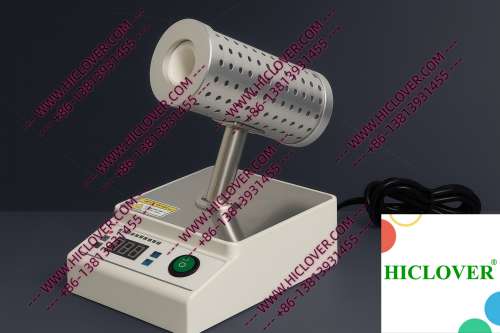
As healthcare providers continue to face escalating demands in laboratory biosafety, the need for reliable and efficient sterilization methods becomes crucial. Particularly in New Zealand’s vibrant healthcare landscape, portable loop sterilizers, such as the Micro Incinerator or Infrared Inoculating Loop Sterilizer, are revolutionizing laboratory sterilization workflows. Navigating the intricacies of biosafety regulations, laboratory operations, and infection control mandates puts an extra burden on laboratories to ensure proper sterilization techniques are in place.
Challenges in Laboratory Biosafety and Sterilization Workflows
Inherent challenges in laboratory biosafety often stem from the risk of contamination, inconsistent sterilization methods, and a demanding workflow. This is particularly true in environments such as BSL-2 and BSL-3 microbiology labs, clinical diagnostics, and educational institutions. Traditional sterilization methods, such as alcohol lamps and Bunsen burners, introduce risks that can jeopardize laboratory work quality, the health of personnel, and even patient safety.
Flame sterilizers not only contribute to aerosol generation but also require substantial time and attention to maintain cleanliness and operational efficiency. Moreover, working in cleanrooms necessitates eliminating open flames, leading to an increased need for portable and controlled sterilization alternatives. Enter the Micro Incinerator — a solution designed to mitigate these challenges.
Technical Principles of the Micro Incinerator
The Micro Incinerator leverages infrared heat technology within an enclosed ceramic tube to achieve rapid thermal sterilization. This innovative mechanism enables the device to reach high temperatures in seconds while ensuring maximum safety during the sterilization process.
By employing infrared high-temperature disinfection, the Micro Incinerator not only achieves effective sterilization but also provides clean-bench-safe handling, eliminating the risks associated with flame-based methods. The simplicity of its design enables consistent and reliable sterilization results, minimizing contamination risks across various applications.
Application Scenarios in Real Labs
Biosafety Cabinets
In BSL-2 laboratories, the Micro Incinerator thrives as a critical piece of equipment. When working within a biosafety cabinet, researchers can achieve effective sterilization of inoculating loops and needles without introducing potential contamination from an open flame. This is vital when handling pathogenic microorganisms, where even minimal contamination can lead to severe consequences for ongoing research or clinical diagnostics.
Field Testing and Mobile Labs
Field testing poses unique challenges due to the mobility and versatility required in sterilization equipment. The Micro Incinerator’s portable nature allows it to be effectively utilized in various field environments where laboratory facilities may be lacking. For instance, during outbreak investigations or environmental sampling in remote locations, laboratory professionals can rely on this sterilizer to ensure that their instrumentation remains free of contaminants, thus preserving data integrity.
Compliance and Environmental Considerations
Adherence to safety standards for laboratory sterilization is critical, especially when it comes to organizations like the World Health Organization (WHO). Additional guidelines arise from various laboratory sterilization standards, which often emphasize the importance of eliminating open flames in cleanroom settings. Using the Micro Incinerator facilitates compliance with these regulations while mitigating aerosol generation, which poses health risks to laboratory staff.
- WHO biosafety standards
- ISO 11134 for sterilization
- National Infection Control Guidelines
Choosing advanced sterilization technologies aligns with regulatory expectations and elevates laboratory safety, thereby enhancing overall patient safety in healthcare settings.
Advantages of Micro Incinerators over Traditional Flame Sterilizers
| Feature | Micro Incinerator | Flame Sterilizers |
|---|---|---|
| Burner Type | Infrared Heating | Open Flame |
| Contamination Risk | Minimal | High (due to aerosols) |
| Safety in Clean Environments | Compliant | Not compliant |
| Operation Time | Seconds | Variable |
Frequently Asked Questions
- What is a Micro Incinerator used for in a laboratory setting?
The Micro Incinerator is primarily used for the sterilization of inoculating loops, needles, and other laboratory instruments to ensure contamination control.
- How does the Micro Incinerator minimize contamination risks?
By utilizing infrared heat for sterilization, it eliminates the need for open flames, reducing contamination through aerosols and offering a clean working environment.
- Is the Micro Incinerator suitable for field laboratories?
Absolutely! Its portable design makes it an excellent choice for mobile operations, ensuring effective sterilization in remote locations or during field testing.
- What are the key safety features of the Micro Incinerator?
The Micro Incinerator operates at high temperatures with enclosed heating, ensuring safety for laboratory personnel while meeting compliance regulations in cleanroom environments.
- How does this device contribute to enhanced patient safety?
By ensuring effective sterilization of instruments used in clinical diagnostics and other healthcare settings, the Micro Incinerator significantly reduces the risk of infections and enhances patient safety.
Conclusion
The evolution of sterilization technology is vital, particularly in New Zealand’s healthcare facilities where patient safety hinges on effective contamination control. The Micro Incinerator / Infrared Inoculating Loop Sterilizer stands out as a superior alternative to traditional flame sterilizers, addressing the myriad challenges presented by modern laboratory workflows. By choosing this innovative instrument, medical institutions can ensure adherence to safety standards while enhancing the operational efficiency of their laboratories. For reliable sterilization equipment that meets the demands of today’s healthcare environment, contact us today and enhance your laboratory’s biosafety protocols!
Categories:
Tags: