
In contemporary laboratory environments, especially in bustling cities like Cape Town, effective sterilization of equipment is crucial to ensure biosafety and compliance with health regulations. The challenges of maintaining a contamination-free atmosphere are heightened in environments such as BSL-2 and BSL-3 microbiology labs, which navigate strict biohazard protocols. Traditional flame sterilizers like alcohol lamps and Bunsen burners present significant limitations. They pose risks of aerosol contamination and require extensive handling precautions, which may not fit the rigorous demands of modern laboratory settings.
Understanding Micro Incinerators: Engineering Meets Biology
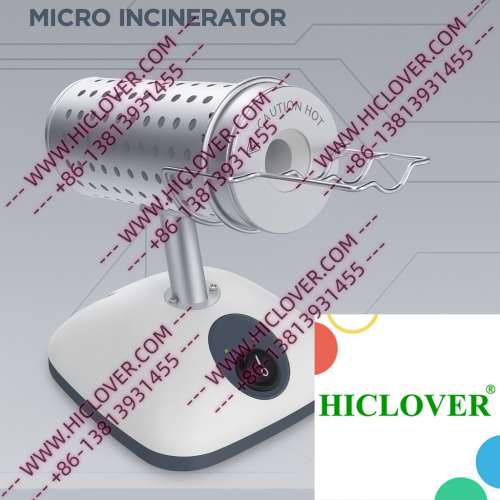
Enter the Micro Incinerator, specifically the Infrared Inoculating Loop Sterilizer—a device that has redefined sterilization workflows across diverse laboratory applications. Utilizing rapid thermal sterilization, these units employ enclosed ceramic tubes that generate infrared heat, achieving high-temperature disinfection quickly and efficiently. Unlike conventional flame-based sterilizers, Micro Incinerators eliminate the risk of open flames, making them appropriate for clean rooms and biosafety cabinets where contamination control is paramount.
The technical principle behind the Micro Incinerator revolves around the high efficiency of infrared heat. The enclosed ceramic tube allows for a focused heat source, generating temperatures that can exceed 800°C. This results in an instant and effective sterilization process without the by-products associated with combustion, such as carbon monoxide and soot.
Applications in Various Laboratory Settings
The versatility of Micro Incinerators allows them to excel in multiple laboratory scenarios, from academic research to clinical diagnostics.
1. University Teaching Labs
In educational institutions, where practical training on microbial techniques is essential, the Micro Incinerator offers a safe and effective solution for teaching sterilization protocols.
- Safe Handling: Students can easily operate the device without the risks associated with open flames.
- Immediate Results: Inoculating loops can be sterilized in seconds, allowing for seamless transitions between experiments.
- Minimized Contamination: The aerosol-free handling significantly reduces the risk of cross-contamination, critical in educational settings.
2. Clinical Labs and Field Testing
In clinical diagnostics and field-testing labs, where quick and reliable results are essential, Micro Incinerators are invaluable. They are particularly beneficial in environments where consistent sterilization is crucial, such as:
- Biosafety Cabinets: These enclosed environments benefit from the absence of flame, preserving integrity and cleanliness.
- Mobile Operations: Field-testing labs can easily incorporate Micro Incinerators, ensuring sterilization without the constraints of typical sterilization equipment.
Compliance and Environmental Considerations
Regulatory standards for laboratory sterilization are paramount, especially in a city focused on sustainable practices. The World Health Organization (WHO) emphasizes the need for laboratories to adhere to strict biosafety protocols to minimize health risks. Traditional flame sterilizers such as Bunsen burners can contribute to air quality issues, especially in enclosed environments.
Lab Sterilization Standards
Micro Incinerators align well with current sterilization standards, including:
- Rapid sterilization processes that meet regulatory requirements.
- Non-flammable operations enhancing safety in clean rooms.
- Environmentally friendly, generating no hazardous emissions.
| Feature | Micro Incinerator | Flame Sterilizers |
|---|---|---|
| Temperature Control | Precise, adjustable temperatures | Variable; risk of inconsistency |
| Safety | Non-flame, reduced risk of accidents | Open flame, risk of fires |
| Contamination Control | Aerosol-free handling | Potential for aerosol generation |
| Energy Efficiency | Rapid heat-up, minimal energy usage | Longer heat-up time |
FAQs about Micro Incinerators
- What are Micro Incinerators used for in laboratories?
The Micro Incinerator is primarily used for sterilizing laboratory instruments such as inoculating loops, tips, and tweezers in various lab settings. - How does a Micro Incinerator differ from traditional sterilization methods?
Micro Incinerators use infrared heat for quick and effective sterilization, avoiding the risks associated with open flames and aerosol generation. - Are Micro Incinerators safe for use in BSL-2 and BSL-3 labs?
Yes, they are designed to enhance safety in these labs by eliminating the hazards of flame-based sterilizers. - How does the sterilization process work?
The device heats an enclosed ceramic chamber to high temperatures, effectively killing all microbial life on the instruments placed inside. - What are the benefits of using a Micro Incinerator in educational laboratories?
They provide a safe learning environment, allowing students to focus on technique without the risks associated with flames.
Conclusion
In summary, Micro Incinerators stand as a testament to engineering innovation catering specifically to modern laboratory needs. With promises of safety, efficiency, and compliance with environmental sustainability goals, these devices are essential for Cape Town’s ongoing journey towards a healthier ecosystem. Laboratory supply distributors, hospitals, universities, and research centers must recognize the critical role of Micro Incinerators in their sterilization workflows. If you’re exploring cutting-edge solutions for your lab needs, consider investing in a Micro Incinerator today for improved operational efficiency and safety.
Categories:
Tags: