
In urban Kenya, where rapid population growth and industrialization are leading to increased waste generation, the challenge of managing contamination and pollution in laboratories cannot be overstated. With rising biosafety concerns, laboratories in hospitals, universities, and research institutions face the pressing need for reliable sterilization workflows. This article highlights how Micro Incinerators, especially the Infrared Inoculating Loop Sterilizer, can play a pivotal role in enhancing laboratory sterilization while tackling waste and pollution issues.
Laboratory Biosafety Challenges and Sterilization Workflow Demands
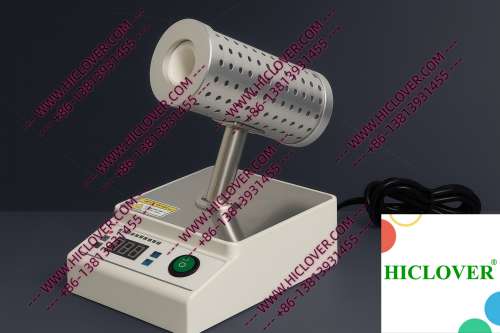
Laboratories operating within BSL-2 and BSL-3 levels require stringent sterilization measures to ensure public health and safety. Traditional flame-based sterilization methods, such as Bunsen burners and alcohol lamps, can pose significant risks, including the potential for aerosol generation and open flames in clean room environments. In contrast, Micro Incinerators offer a safer alternative through rapid thermal sterilization without creating biological aerosols, effectively controlling contamination.
The Technical Principles of Micro Incinerators
Micro Incinerators operate on the principle of infrared high-temperature disinfection, utilizing an enclosed ceramic heating chamber that generates consistent and uniform heat distribution. This design enables effective sterilization of inoculating loops, pipettes, and other laboratory instruments. The ceramic tube heats up quickly, allowing for immediate use, and the temperature can reach up to 800°C, ensuring the complete eradication of microbial pathogens.
Product Configuration and Benefits
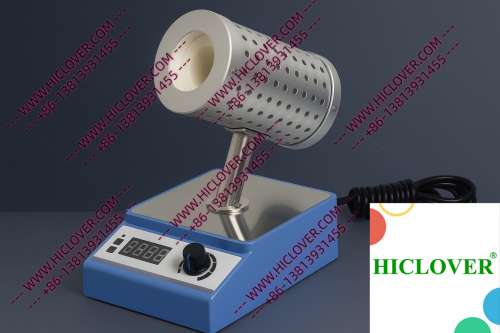
- Compact Design: Ideal for limited laboratory spaces, especially in urban Kenya.
- Energy-efficient: Consumes less energy compared to traditional flame sterilizers.
- No Open Flame: Eliminates fire hazards and reduces the risk of contamination.
- Easy to Operate: Simple controls allow for quick deployment during sterilization tasks.
Real-World Application Scenarios
1. Biosafety Cabinet Operations
In a clinical diagnostics laboratory, the integration of Micro Incinerators within biosafety cabinets enhances sterilization workflows. By utilizing the Micro Incinerator for the sterilization of inoculating loops, lab technicians can effectively eliminate contaminants without compromising the sterile environment of the biosafety cabinet. The rapid heat-up time ensures that time-sensitive tasks can be performed efficiently.
2. Field Testing in Urban Environments
During field testing scenarios, particularly in urban areas of Kenya, mobile laboratories can benefit immensely from using Micro Incinerators. These units are lightweight and portable, allowing scientists to sterilize instruments on-site without needing extensive equipment. This makes them ideal for conducting safe experiments in environmental monitoring or public health assessments.
Compliance and Environmental Impact
Adhering to WHO biosafety standards is crucial for laboratory operations in Kenya. The Micro Incinerator aligns with international lab sterilization requirements by minimizing aerosol dispersal and offering a clean method for contamination control. Moreover, using a sterilization method that produces minimal waste, especially in the form of non-hazardous by-products, supports environmental sustainability efforts in urban Kenya.
Table: Micro Incinerator vs. Traditional Flame Burners
| Feature | Micro Incinerator | Traditional Flame Burners |
|---|---|---|
| Temperature Control | Precise, up to 800°C | Variable, dependent on fuel |
| Aerosol Generation | No | Yes |
| Fire Hazard | Minimal | High |
| Energy Efficiency | High | Lower |
FAQs
- What is a Micro Incinerator and how does it function?
A Micro Incinerator, or Infrared Inoculating Loop Sterilizer, operates by using infrared heat to achieve rapid thermal sterilization within an enclosed ceramic heating chamber, effectively eliminating microbial contaminants.
- What are the advantages of Micro Incinerators over traditional sterilizers?
Micro Incinerators offer high precision with temperature control, eliminate fire hazards, and reduce aerosol generation, making them safer for clean environments.
- Can Micro Incinerators be used in field testing?
Yes, their portability and lightweight design make them ideal for use in mobile labs during field testing in environments such as urban Kenya.
- Are Micro Incinerators compliant with WHO standards for laboratory safety?
Absolutely! Micro Incinerators comply with WHO biosafety regulations, ensuring a safe and effective sterilization process.
- How can I acquire a Micro Incinerator for my laboratory?
You can contact us for inquiries and to learn about our range of Micro Incinerators tailored for various laboratory needs.
Conclusion: A Cleaner Future for Urban Labs
Integrating Micro Incinerators into laboratory sterilization protocols not only enhances biosafety and compliance but also presents a sustainable solution for urban waste and pollution challenges. As Kenya moves towards a greener future, adopting innovative technologies such as the Infrared Inoculating Loop Sterilizer can significantly improve the efficacy of laboratory operations. For laboratory supply distributors and institutions seeking advanced sterilization methods, we encourage you to reach out for more information on acquiring Micro Incinerators that suit your needs.
Categories:
Tags: