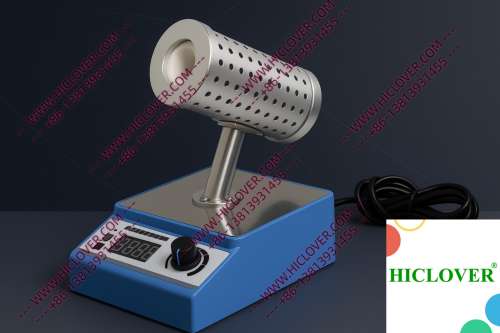
In today’s laboratory environment, particularly in Algeria’s rapidly evolving scientific landscape, the challenges of laboratory biosafety and sterilization workflows are becoming increasingly prominent. The need for effective sterilization equipment that addresses contamination control while maintaining compliance with international standards is paramount. Among the most innovative solutions available is the Micro Incinerator, specifically designed for rapid thermal sterilization, which can play a critical role in bolstering Algeria’s laboratory infrastructure.
Understanding the Technical Principles of Micro Incinerators
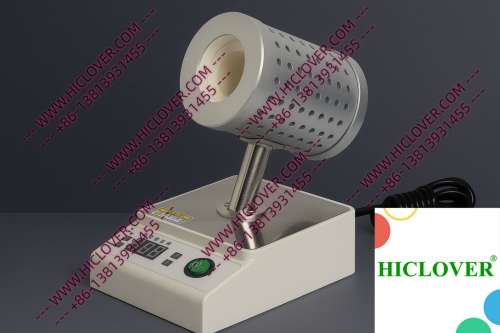
At the core of the Micro Incinerator’s functionality is its advanced infrared heating technology. Unlike traditional flame sterilizers such as alcohol lamps or Bunsen burners, the Micro Incinerator employs a sealed ceramic tube that allows for high-temperature disinfection without the risks associated with open flames. This enclosed system not only improves safety by reducing the likelihood of aerosol generation but also enhances efficiency by delivering rapid thermal sterilization. The infrared heating element reaches high temperatures in mere seconds, allowing laboratory professionals to effectively sterilize inoculating loops, needles, and other equipment.
Applications of Micro Incinerators in Laboratory Settings
The versatility of Micro Incinerators enables their application in various laboratory environments. Here are two noteworthy scenarios:
- Biosafety Cabinets: In BSL-2 or BSL-3 microbiology labs, where the handling of pathogenic organisms occurs, the necessity for clean-bench-safe procedures is critical. Micro Incinerators can be integrated into biosafety cabinets to allow microbiologists to sterilize tools effectively without exposing them to potential contamination from the surrounding environment.
- Teaching Labs: Universities across Algeria often utilize Micro Incinerators in educational settings to demonstrate sterilization techniques. Students can safely practice inoculating techniques and learn sterilization protocols without worrying about the hazards of traditional flame sources.
- What is the principle of operation of a Micro Incinerator? The Micro Incinerator operates through infrared heating technology, utilizing a ceramic tube to provide rapid thermal sterilization.
- Are Micro Incinerators safe for BSL-2 laboratories? Yes, they are designed to be safe for use in BSL-2 environments, providing effective sterilization without the risks associated with open flames.
- How does a Micro Incinerator comply with WHO standards? Micro Incinerators offer aerosol-free handling and meet laboratory sterilization compliance, fulfilling requirements set forth by WHO.
- What materials can be sterilized with a Micro Incinerator? Most laboratory tools such as inoculating loops, needles, and glassware can be easily sterilized using a Micro Incinerator.
- Can Micro Incinerators be used in teaching labs? Absolutely! They are ideal for educational settings where students learn safe and effective sterilization techniques.
Compliance and Best Practices in Laboratory Sterilization
As laboratories increasingly align with WHO biosafety standards and laboratory sterilization protocols, the integration of Micro Incinerators becomes a no-brainer. These devices not only meet the stringent requirements for contamination control but also excel in environments where open flames are prohibited, such as in clean rooms or near flammable materials. The Micro Incinerator’s flame-free operation supports compliance with regulations, helping laboratories maintain a safe working environment.
The efficacy of Micro Incinerators in sterilization has positioned them as a viable alternative to traditional methods, particularly when sterility assurance and safety are paramount. Below is a brief comparison table highlighting the advantages of Micro Incinerators versus traditional flame burners:
| Feature | Micro Incinerator | Flame Burners |
|---|---|---|
| Safety | Aerosol-free, no open flame | Risk of airborne contamination, open flame hazards |
| Speed | Rapid thermal sterilization | Variable heating times |
| Compliance | Meets WHO biosafety standards | May not comply in clean room settings |
| Usability | Easy to use, lightweight | Requires careful handling |
Conclusion: Elevate Your Laboratory’s Sterilization Practices
As Algeria’s laboratory infrastructure continues to develop, the necessity for efficient, safe, and compliant sterilization solutions becomes increasingly clear. Micro Incinerators offer a forward-thinking approach to sterilization, providing laboratories with the tools necessary to enhance biosafety and workflow efficiency. If you are looking to upgrade your facility’s sterilization equipment, consider integrating Micro Incinerators into your laboratory practices.
Frequently Asked Questions (FAQs)
If you’re ready to enhance your laboratory efficiency and safety, contact us today to learn more about our range of Micro Incinerators and how they can fit into your management infrastructure!
Categories:
Tags: