
In the realm of biotechnology, maintaining strict biosafety protocols is essential to ensure that laboratory environments remain uncontaminated. Laboratories face challenging biosafety regulations and workflow demands that necessitate reliable sterilization equipment. One such innovation that has become integral to modern laboratory practices is the Micro Incinerator, also known as the Infrared Inoculating Loop Sterilizer. This article delves into how these devices enhance laboratory safety and efficiency while catering to diverse sterilization needs.
Understanding the Technical Principles
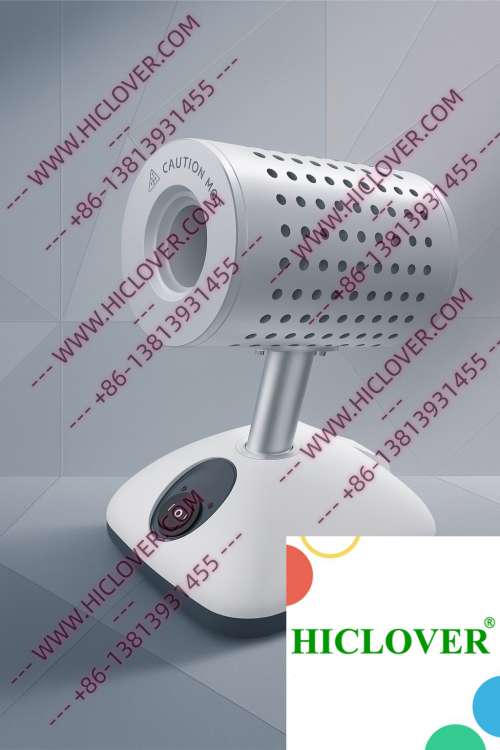
At the heart of the Micro Incinerator’s effectiveness is its ability to apply rapid thermal sterilization through infrared heat technology. This device employs an enclosed ceramic heating chamber that achieves high temperatures in no time, facilitating the quick and efficient disinfection of inoculation loops, needles, and other small instruments.
The infrared sterilization process ensures that items reach their necessary sterilization temperature without the need for open flames, making it ideal for applications where contamination control is paramount. Unlike traditional flame sterilizers such as Bunsen burners and alcohol lamps, which can produce aerosols and pose a risk of contamination, the Micro Incinerator provides clean-bench-safe sterilization in a compact and portable design.
Applications in Real Laboratory Settings
1. Biosafety Cabinet Operations
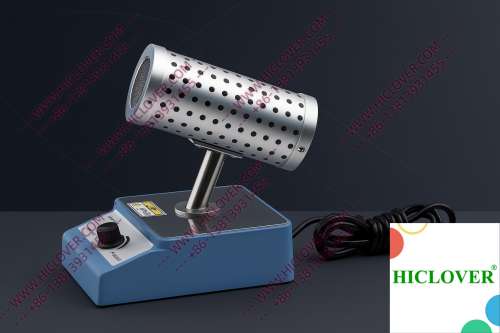
In BSL-2 and BSL-3 microbiology labs, where safety is a top priority, the Micro Incinerator is increasingly favoured. Researchers utilize these sterilizers under biosafety cabinets to transfer microbial cultures without the risk of contamination. The consistent high-temperature disinfection eliminates pathogens efficiently, allowing for a seamless laboratory workflow while maintaining compliance with rigorous safety standards.
2. Mobile Testing Labs
In mobile or field testing laboratories, the transportability of the Micro Incinerator is a significant advantage. These compact devices can be easily transported to remote locations where traditional sterilization methods may not be feasible. For instance, in scenarios involving ecological samples or health diagnostics in rural areas, the portable Micro Incinerator ensures rapid sterilization of tools on-site, minimizing the risk of contamination of valuable samples.
Compliance with Safety Standards
Compliance with international biosafety protocols is critical for laboratories worldwide. The World Health Organization (WHO) recommends stringent sterilization processes to prevent the risk of pathogen transmission. The Micro Incinerator complies with laboratory sterilization standards, making it an ideal choice for labs aiming to meet these guidelines.
Moreover, since the device does not use an open flame, it is perfectly suited for clean rooms where contamination from combustion byproducts must be avoided. This adherence to safety regulations helps laboratories achieve a higher standard of cleanliness and operational efficiency.
Comparing Micro Incinerators and Traditional Flame Burners
| Feature | Micro Incinerator | Flame Burners |
|---|---|---|
| Heat Source | Infrared Heating | Open Flame |
| Contamination Risk | Low | High (aerosol generation) |
| Portability | Portable | Less Portable |
| Ease of Use | Single-button operation | Requires more skill and attention |
Frequently Asked Questions
- What types of laboratories benefit from using the Micro Incinerator?
Micro Incinerators are ideal for BSL-2 and BSL-3 laboratories, educational institutions, and field testing labs due to their high efficiency and portability. - How does the Micro Incinerator compare to traditional sterilization methods?
The Micro Incinerator offers lower contamination risk, faster operation, and eliminates the need for an open flame, making it a safer option for sterile environments. - What maintenance does a Micro Incinerator require?
Minimal maintenance is needed, primarily focused on keeping the ceramic tubes clean and ensuring the heating element functions properly. - Can the Micro Incinerator be used for larger lab equipment?
This device is designed for smaller items like inoculation loops and needles; larger equipment may require alternative sterilization methods. - What safety features does the Micro Incinerator include?
It features an enclosed design that prevents accidental burns and maintains a contamination-free environment.
Conclusion: Elevating Laboratory Standards
In conclusion, the Micro Incinerator or Infrared Inoculating Loop Sterilizer not only addresses the evolving demands of laboratory safety and efficiency but also plays an invaluable role in maintaining compliance with global biosafety standards. Its compact design, rapid thermal sterilization capabilities, and low contamination risk make it an essential addition to labs across various sectors.
If you’re seeking to enhance your laboratory’s safety protocols and operational efficiency, exploring the benefits of the Micro Incinerator is a definitive step forward. Contact us to discover how this innovative sterilization equipment can meet your laboratory needs.
Categories:
Tags: