
In modern laboratory environments, the imperative for effective biosafety and sterilization is more crucial than ever. With the increasing demands for stringent contamination control, traditional flame sterilizers, such as alcohol lamps and Bunsen burners, are being scrutinized for their drawbacks. Enter the Micro Incinerator or Infrared Inoculating Loop Sterilizer, a cutting-edge solution that offers a flameless alternative, addressing both safety and efficiency challenges faced in laboratories globally.
Understanding the Technical Principles
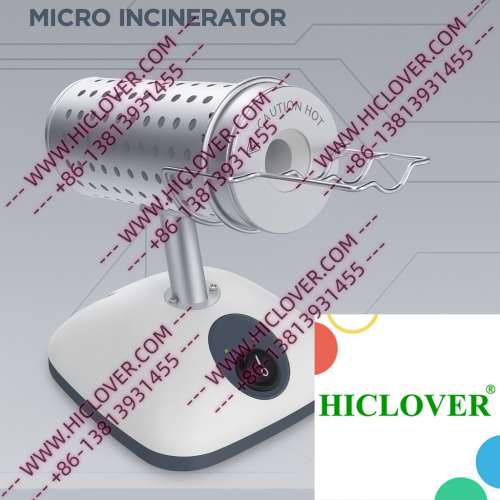
The Micro Incinerator utilizes advanced infrared heat technology, designed to deliver rapid thermal sterilization in a secure and enclosed ceramic heating chamber. The core principle hinges on the use of infrared radiation, which efficiently elevates the temperature of inoculating loops or other small tools to sterilization levels in mere seconds. This mechanism not only reduces the time needed for sterilization but also minimizes the risk of airborne contamination, a key factor in maintaining sterile environments.
Key Features of the Micro Incinerator
- Flameless Design: Eliminates risks associated with open flames, making it safe for use in sensitive laboratory settings.
- Rapid Sterilization: Achieves high temperatures quickly, ensuring compliance with stringent sterilization protocols.
- Precision Temperature Control: Fine-tunes heat settings, accommodating a variety of sterilization tasks with ease.
- Energy Efficient: Minimal power consumption compared to traditional burners, leading to cost savings over time.
- Compact and Portable: Ideal for mobile or field-testing labs and easy to integrate into standard biosafety cabinets.
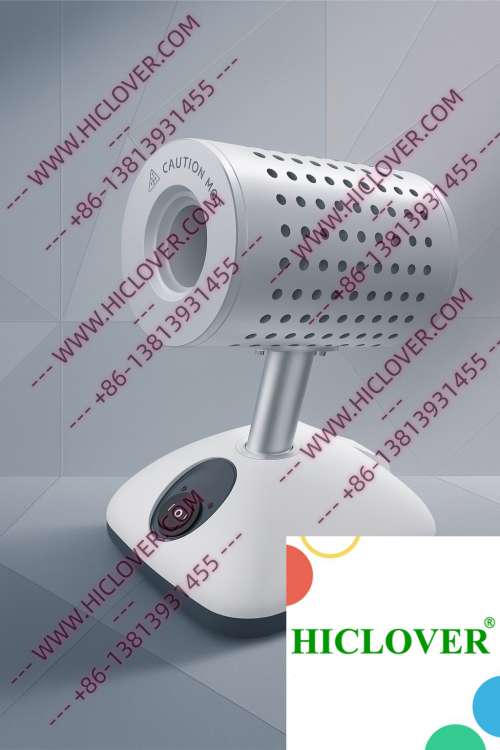
Application Scenarios in Real Labs
Biosafety Cabinets
In BSL-2 and BSL-3 microbiology labs, biosafety cabinets serve as critical barriers against contaminants. The Micro Incinerator complements this setup by ensuring that all inoculating loops and tools used within the cabinet are quickly and effectively sterilized without introducing hazards associated with flame sterilizers. This synergy between the two technologies enhances overall safety and operational efficiency in microbiological practices.
Field Testing and Clinical Diagnostics
Outside conventional lab settings, field testing in remote locations requires robust sterilization methods, often without easy access to traditional power sources. The flameless nature of the Micro Incinerator makes it ideal for these scenarios, allowing researchers to maintain compliance with sterilization standards even in challenging environments. Moreover, it proves invaluable in clinical diagnostics settings where rapid turnaround times are essential, significantly reducing the intervals between testing and results.
Compliance with Biosafety Standards
As laboratories operate under stringent guidelines issued by the WHO and various local regulatory bodies, the importance of adhering to accepted sterilization protocols cannot be overstated. Traditional flame sterilizers have limitations, especially in clean rooms where open flames are prohibited due to potential hazards. The Micro Incinerator meets the rigorous requirements of biosafety compliance, enabling laboratories to operate safely while conforming to best practices in sterilization.
“The ability to maintain sterile conditions without the risks associated with open flames has revolutionized our approach to laboratory safety.” – Dr. Emily Chen, Director of Clinical Research at XYZ Labs.
Comparison: Micro Incinerator vs. Traditional Flame Burners
| Feature | Micro Incinerator | Traditional Flame Burners |
|---|---|---|
| Flame-free Operation | Yes | No |
| Speed of Sterilization | Seconds | Minutes |
| Energy Efficiency | High | Low |
| Safety in Sensitive Environments | Very High | Moderate |
| Cost of Operation | Low | Higher |
FAQs About Micro Incinerators
What is the primary benefit of using a Micro Incinerator for sterilization?
The key benefit is the elimination of open flames, which greatly enhances safety, particularly in sensitive lab environments like BSL-2 or BSL-3 labs.
How does the sterilization process work?
The Micro Incinerator employs infrared heat to achieve high temperatures that rapidly sterilize tools within seconds, ensuring effective contamination control.
Can the Micro Incinerator be used in teaching labs?
Absolutely! Its compact size and safety features make it a perfect fit for university teaching labs where best practices in sterilization need to be instilled in students.
Is the Micro Incinerator compliant with WHO biosafety standards?
Yes, it meets various biosafety compliance and sterilization standards, making it a suitable tool for labs operating under WHO guidelines.
What types of tools can be sterilized using the Micro Incinerator?
The device is designed for sterilizing inoculating loops, needles, and other small laboratory instruments.
Conclusion
The rise of flameless lab sterilizers like the Micro Incinerator represents a significant advancement in the field of laboratory sterilization. By enhancing safety, efficiency, and compliance with international biosafety standards, these devices are poised to transform laboratory practices. For laboratories looking to upgrade their sterilization processes, incorporating a Micro Incinerator is a forward-thinking choice that will yield benefits across numerous applications. To learn more about how the Micro Incinerator can fit into your laboratory setup or to place an order, contact us today!
Categories:
Tags: