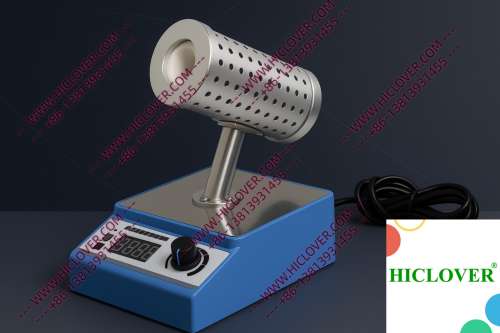
As the demand for enhanced laboratory biosafety increases, research facilities face significant challenges in ensuring the sterile environments necessary for reliable results. The need for efficient and effective sterilization workflows is paramount, especially in settings such as BSL-2 and BSL-3 microbiology labs, clinical diagnostics, and university teaching laboratories. Enter high-precision lab sterilizers like the Micro Incinerator/Infrared Inoculating Loop Sterilizer, which is transforming how labs approach contamination control.
Understanding High-Precision Lab Sterilizers
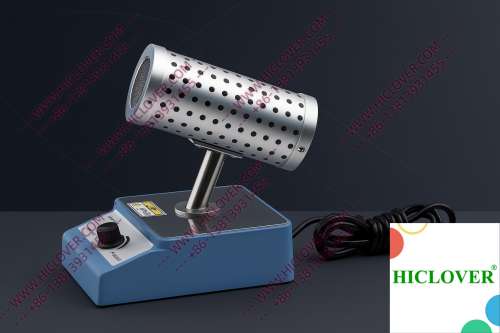
The Micro Incinerator utilizes infrared heat for sterilization, an innovative approach that features a compact, enclosed ceramic heating chamber. This design allows it to achieve rapid thermal sterilization without the hazardous byproducts associated with traditional flame sterilizers, such as alcohol lamps and Bunsen burners. Infrared high-temperature disinfection ensures that inoculating loops and metal instruments reach sterilization temperatures efficiently and quickly, making it an ideal choice for labs looking to streamline their sterilization processes.
Advantages Over Traditional Flame Sterilizers
- Safety: Unlike flame sterilizers, the Micro Incinerator minimizes the risk of aerosol generation, which can present a danger in clean rooms.
- Precision: The enclosed design allows for uniform heating, ensuring that all surfaces of the inoculating loop are sterilized effectively.
- Environmental Compliance: Elimination of flames means better compliance with safety standards in controlled environments.
- Ease of Use: No need for re-fueling or managing flammable materials makes it user-friendly.
- What are the main benefits of using a Micro Incinerator in the lab?
Micro Incinerators offer rapid thermal sterilization, enhanced safety with no flame, and precise temperature control, making them ideal for various lab environments. - Can the Micro Incinerator be used in BSL-3 labs?
Yes, it is compliant with the stringent sterilization needs of BSL-3 laboratories, ensuring enhanced biosafety. - How does the Micro Incinerator improve workflow in teaching labs?
The streamlined sterilization process allows students to focus on learning without the hazards associated with traditional flame sterilizers. - Is the Micro Incinerator suitable for field testing?
Absolutely; its portability and ease of use make it an ideal choice for mobile labs and field testing environments.
Compliance and Laboratory Standards
Adhering to global biosafety standards is not just a legal obligation but also a moral imperative for laboratories. Organizations such as the World Health Organization (WHO) outline rigorous protocols for laboratory sterilization. According to WHO biosafety guidelines, laboratories must implement sterilization methods that reduce contamination risks and support safe work environments.
The Micro Incinerator is compliant with these standards. Its non-flame operation is particularly advantageous in maintaining a contaminant-free environment, essential in clean rooms and areas with strict sterilization protocols. Moreover, it meets lab sterilization standards established in various regions, ensuring that labs can operate with confidence.
Real-World Applications in Laboratory Settings
The practical applications of the Micro Incinerator are diverse, making it an invaluable tool for various laboratory settings:
Application Scenario 1: Biosafety Cabinets
In BSL-2 and BSL-3 microbiology labs, the Micro Incinerator is often utilized within biosafety cabinets. The ability to sterilize inoculating loops rapidly minimizes the risk of contaminating cultures and reduces the potential for hazardous aerosols. This increases workflow efficiency by allowing researchers to maintain sterile technique while focusing on their experiments.
Application Scenario 2: Teaching Laboratories
In educational settings, particularly university teaching labs, the Micro Incinerator serves as an excellent teaching tool for students learning microbiological techniques. The safety features of the device—with no open flame—allow students to practice sterilization techniques confidently, promoting a deeper understanding of contamination control without the risks associated with traditional flame methods.
Comparison of Micro Incinerator vs. Traditional Flame Burners
| Feature | Micro Incinerator | Traditional Flame Burners |
|---|---|---|
| Heating Mechanism | Infrared Thermal | Open Flame |
| Safety | Low Risk of Aerosols | High Risk of Aerosols |
| Ceramic Heating Chamber | Yes | No |
| Environmental Compliance | Meets WHO Standards | Varies by Laboratory |
FAQs About Micro Incinerators
Conclusion
The transformation offered by the Micro Incinerator in laboratory sterilization is profound. With its innovative design, adherence to biosafety standards, and suitability for various applications—from BSL facilities to teaching labs—it exemplifies the future of sterilization technology. For laboratories looking to enhance their sterilization processes and ensure the highest levels of biosafety, exploring the acquisition of high-precision lab sterilizers should not be overlooked. Contact us for more information or to request a demonstration that could redefine your lab’s sterilization workflow.
Categories:
Tags: