
In the world of laboratory biosafety, the rapid pace of scientific advancement must be matched by equally sophisticated methods of contamination control. As pathogens evolve, the demand for effective and reliable laboratory sterilization equipment becomes paramount. This article explores one of the pioneering solutions in this field: the Micro Incinerator / Infrared Inoculating Loop Sterilizer, a device that revolutionizes the sterile workflow in various laboratory settings.
Understanding the Technology: How Does the Micro Incinerator Work?
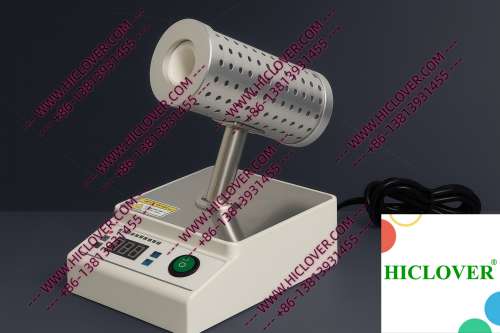
The Micro Incinerator utilizes infrared heat to achieve rapid thermal sterilization. Unlike traditional sterilizers that often rely on open flames from alcohol lamps or Bunsen burners, the Micro Incinerator employs a closed ceramic heating chamber, minimizing the risk of fire and contamination. The infrared technology allows for high-temperature disinfection while ensuring an efficient sterilization process.
Key Features of the Micro Incinerator
- Rapid sterilization: Achieves high temperatures in seconds, ensuring quick turnaround times.
- Safety first: No open flame, making it suitable for use in clean rooms and biosafety cabinets.
- Ease of use: Simple operation that reduces the complexity involved in traditional sterilization methods.
- Durable design: The ceramic tube is built for longevity, making it a cost-effective solution over time.
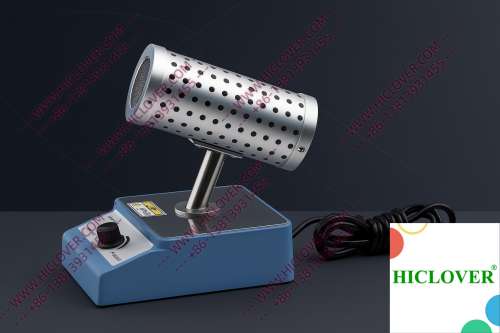
Application Scenarios in Real Labs
Incorporating the Micro Incinerator into laboratory processes transforms sterilization workflows. Let’s explore two specific scenarios:
1. Use in University Teaching Labs
Many educational institutions, such as those in cities like London or New York, utilize the Micro Incinerator in teaching labs where biosafety is crucial. In such settings, students can learn about microbiological techniques without the pitfalls associated with flame sterilization. The quick heat-up time aids in maintaining the flow of experiments, allowing instructors to focus on teaching rather than troubleshooting equipment failures.
2. Field Testing Applications
Field testing laboratories, especially in remote locations, face unique sterilization challenges. Using a traditional alcohol lamp is impractical and often unsafe in the field. The Micro Incinerator provides a portable and effective solution. Its compact design allows for easy transportation, making it invaluable for researchers working in wildlife studies or microbiology projects in the field.
Compliance and Environmental Considerations
Adhering to WHO biosafety guidelines and industry sterilization standards is non-negotiable for any lab. The Micro Incinerator meets criteria that ensure no flame is present in clean rooms or other sensitive environments. This adherence not only elevates laboratory safety but also reduces the risk of aerosol generation, which is pivotal in today’s search for infection control strategies amid global health concerns.
By choosing a Micro Incinerator, laboratories can align with international biosafety compliance regulations while promoting eco-friendliness due to the absence of flammable gases and reduced operational fumes.
Comparative Analysis: Micro Incinerator vs. Traditional Flame Burners
| Feature | Micro Incinerator | Flame Burners |
|---|---|---|
| Heat Source | Infrared technology | Open flame |
| Speed of Operation | Less than 10 seconds | Up to 30 seconds |
| Safety | No flame; less risk | Potential fire hazards |
| Aerosol Production | Minimal | High |
| Cost Efficiency | Long-lasting components | Frequent replacements |
Frequently Asked Questions about Micro Incinerators
Q1: What is the primary benefit of using the Micro Incinerator over traditional methods?
A1: The Micro Incinerator provides rapid, flame-free sterilization, significantly enhancing safety and efficiency in laboratory settings.
Q2: Can the Micro Incinerator be used in BSL-3 labs?
A2: Yes, its design complies with the required biosafety regulations, making it suitable for use in BSL-2 and BSL-3 environments.
Q3: What kind of maintenance does a Micro Incinerator require?
A3: Minimal maintenance is needed, mainly focused on ensuring that the ceramic tube remains free from contaminants.
Q4: How does the Micro Incinerator handle different inoculating loop sizes?
A4: It is versatile and can accommodate various inoculating loop sizes without any complications.
Q5: Is it suitable for fieldwork?
A5: Absolutely, its compact design and safety features make it ideal for mobile or field testing labs.
Conclusion
The Micro Incinerator / Infrared Inoculating Loop Sterilizer stands as a beacon of innovation in laboratory sterilization, effectively addressing the modern challenges of biosafety and workflow efficiency. As laboratories worldwide evolve, investing in top-tier sterilization technology becomes vital for ensuring safe and effective operations. Contact us today to learn more about how the Micro Incinerator can fit into your sterilization workflow or to make a purchase for your facility.
Categories:
Tags: