
Modern laboratories are under constant pressure to maintain high biosafety standards while managing sterilization workflows efficiently. Traditional methods of sterilization, such as flame sterilizers, have significant disadvantages: they are prone to inconsistency, create hazardous aerosols, and can be impractical in crowded clean environments. Enter the Micro Incinerator, also known as the Infrared Inoculating Loop Sterilizer, revolutionizing the way labs approach sterilization.
Understanding the Technical Principles of Micro Incinerators
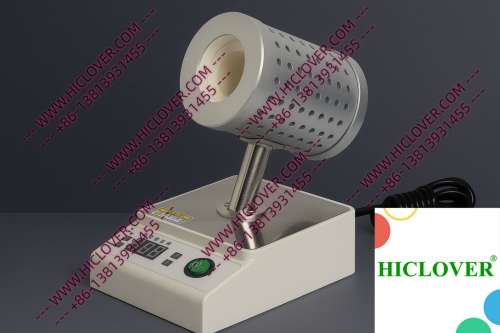
At its core, the Micro Incinerator employs rapid thermal sterilization using infrared technology to achieve high-temperature disinfection. The device typically features an enclosed ceramic heating chamber that generates precise, direct heating without the need for open flames. This technology effectively eliminates contaminants, allowing users to achieve sterilization in mere seconds.
Technical specifications: The Micro Incinerator can reach temperatures exceeding 800°C, ensuring effective microbial and viral inactivation.
Applications in Real Laboratory Settings
The versatility of the Micro Incinerator makes it ideal for several laboratory environments, enhancing both operational efficiency and safety:
- Biosafety Cabinets: In BSL-2 and BSL-3 labs, personnel often work with potentially hazardous biological agents. The Micro Incinerator can be utilized within biosafety cabinets for sterilizing inoculating loops, minimizing the risk of contaminating samples or exposing operators to harmful pathogens.
- Field Testing: Mobile laboratories often need rapid sterilization solutions to handle samples in unpredictable environments. Micro Incinerators are lightweight and easy to set up, providing scientists with reliable sterilization without the complexities of flame use, making them particularly useful in remote areas where a perfect sterile environment is challenging to maintain.
- University Teaching Labs: In educational settings, training students in sterile techniques is paramount. The Micro Incinerator provides a safe, effective way to demonstrate biosafety and sterilization practices without the risks associated with open flame sterilizers.
Compliance and Environmental Considerations
In today’s regulatory landscape, laboratory equipment must comply with standards set forth by organizations like the World Health Organization (WHO) and various national guidelines. For biosafety compliance, the Micro Incinerator stands out as a flame-free alternative that reduces risk and promotes cleanliness.
Key Compliance Benefits: The use of a Micro Incinerator eliminates fire hazards in clean rooms, aligns with WHO biosafety guidelines, and follows the stringent lab sterilization standards that govern modern laboratories.
Furthermore, by utilizing a Micro Incinerator, labs reduce their environmental footprint. Traditional flame sterilizers generate aerosols that can contribute to contamination and necessitate extensive air purification processes. The enclosed design of Micro Incinerators prevents aerosolization, making them a cleaner choice for laboratories concerned with environmental impact.
Comparative Analysis: Micro Incinerator vs. Traditional Flame Burners
| Feature | Micro Incinerator | Flame Burner |
|---|---|---|
| Temperature Control | Precise infrared heat | Variable and less controlled |
| Safety | No open flame, less risk | Fire hazards and aerosol generation |
| Speed of Sterilization | 2-10 seconds | Varies significantly |
| Ease of Use | Plug-and-play design | Requires handling precautions |
Frequently Asked Questions
1. How long does it take to sterilize using the Micro Incinerator?
The Micro Incinerator typically achieves full sterilization in just 2-10 seconds, making it one of the fastest methods available for laboratory sterilization.
2. Is the Micro Incinerator safe to use in BSL-3 laboratories?
Yes, the Micro Incinerator is ideal for BSL-2 and BSL-3 settings due to its enclosed design, which minimizes risks associated with open flames and aerosol exposure.
3. Can the Micro Incinerator be used in mobile labs?
Absolutely! Its compact, plug-and-play nature makes it suitable for field testing and mobile laboratory setups.
4. What are the energy requirements for the Micro Incinerator?
The Micro Incinerator is designed to be energy-efficient while providing high-temperature sterilization without the need for extensive preheat times.
5. Are there training resources available for using the Micro Incinerator effectively?
Yes, many manufacturers offer training resources, including user manuals and instructional videos, ensuring that all laboratory personnel can use the Micro Incinerator safely and effectively.
Conclusion
In conclusion, Micro Incinerators represent an essential innovation in laboratory sterilization equipment. By enhancing safety, efficiency, and compliance with biosafety standards, these devices meet the rigorous demands of modern laboratory operations. The transition from traditional flame sterilizers to Micro Incinerators is not just a step towards convenience; it is a move towards creating safer working environments for scientists across various settings.
For laboratories looking to improve their sterilization processes, investing in a Micro Incinerator is a forward-thinking choice. Contact us today to learn more about our range of Micro Incinerators and explore how they can enhance your laboratory’s operational efficiency!
Categories:
Tags: