
In modern laboratory environments, the challenges associated with biosafety and sterilization workflows are ever-increasing. Laboratories, especially those operating within Biosafety Level 2 (BSL-2) and Biosafety Level 3 (BSL-3) standards, face stringent demands for contamination control. As laboratories strive for enhanced operational efficiency, it becomes crucial to adopt advanced sterilization technologies that not only fulfill regulatory requirements but also optimize safety. One such innovation is the Micro Incinerator, or Infrared Inoculating Loop Sterilizer, a device that transforms the way sterilization is approached in lab settings.
Technical Principles of Micro Incinerators
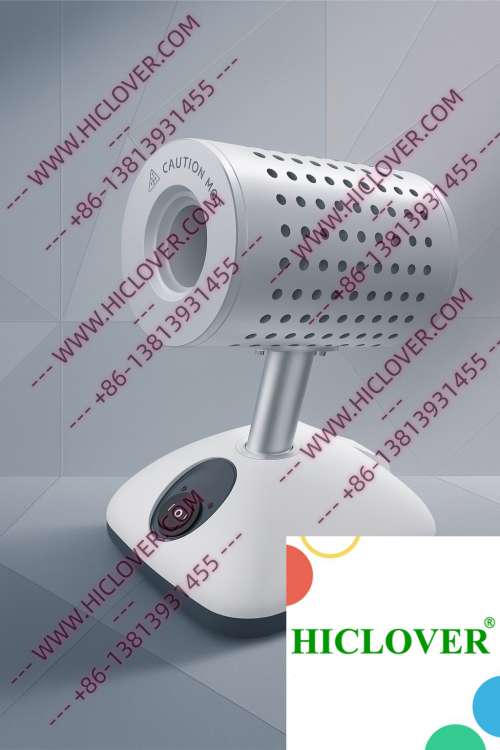
The Micro Incinerator operates using infrared heat generated within a closed ceramic tube, allowing for rapid thermal sterilization of inoculating loops and other laboratory tools. Unlike traditional flame-based methods, this device offers a clean, flame-free operation that eliminates the risk of aerosol generation—crucial in ensuring a contamination-free environment.
By employing high-temperature disinfection, the Micro Incinerator is capable of reaching temperatures that effectively eradicate microbial life. This technology not only enhances the sterilization process but also improves safety by minimizing exposure to open flames, thus reducing the risk of cross-contamination in sensitive environments, such as clean rooms and clinical diagnostics laboratories.
Real-World Applications
The advantages of the Micro Incinerator become especially apparent in various laboratory scenarios. Here are two practical applications:
-
Biosafety Cabinets:
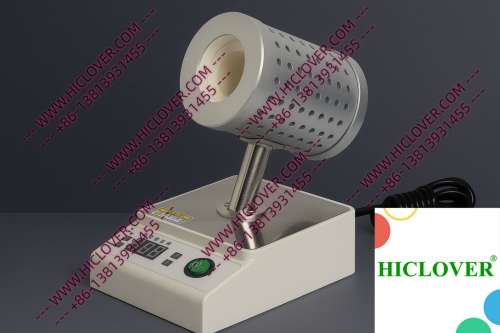
In BSL-2 microbiology labs, researchers frequently require sterilization of inoculating loops to perform aseptic techniques. The Micro Incinerator is ideally suited for this purpose, providing a compact and efficient means to achieve rapid sterilization without introducing the risks and contaminants associated with alcohol lamps or Bunsen burners.
-
Teaching Labs:
In educational settings, teaching labs often face the task of instilling proper laboratory practices among students. The Micro Incinerator serves as a safe teaching tool, allowing students to see effective sterilization without risking fires or inhalation of fumes, thereby supporting a learning environment grounded in best practices for biosafety.
Regulatory Compliance and Environmental Considerations
As laboratories navigate the landscape of biosafety, compliance with international standards is paramount. The World Health Organization (WHO) outlines specific biosafety guidelines that laboratories must adhere to. In particular, the use of sterilization equipment devoid of naked flames is a critical requirement for sterile environments such as clean benches or CO₂ incubators. Traditional flame sterilizers, such as alcohol lamps and Bunsen burners, pose a risk of open flames in controlled areas, making the Micro Incinerator a superior alternative that aligns with these safety mandates.
Additionally, the Micro Incinerator’s design addresses environmental concerns associated with fumigation and chemical sterilants, which can generate toxic byproducts. By using infrared heat, this technology promotes a more sustainable approach to sterilization, contributing positively to laboratory waste management.
Comparative Advantages
When comparing the Micro Incinerator to traditional flame sterilizers, several advantages become evident:
| Feature | Micro Incinerator | Flame Sterilizers |
|---|---|---|
| Safety | Flame-free operation minimizes fire hazards | Open flames increase risk of fire |
| Contamination Control | Aerosol-free handling reduces contamination risks | Potential aerosol generation can compromise sterility |
| Efficiency | Rapid thermal sterilization for fast workflows | Longer preparation time with fumigation |
| Adaptability | Compact design perfect for lab setups | Requires additional space and careful monitoring |
Frequently Asked Questions
- What is a Micro Incinerator and how does it work?
A Micro Incinerator utilizes infrared heat within a closed ceramic tube for rapid thermal sterilization, providing a flame-free and aerosol-free sterilization process.
- Why is flame sterilization considered hazardous in laboratory settings?
Flame sterilizers produce open flames, which can increase the risk of fire and are prone to creating aerosols that could contaminate sterile environments.
- Where can Micro Incinerators be effectively utilized?
The Micro Incinerator is suitable for BSL-2 and BSL-3 labs, teaching laboratories, and cleanroom environments where contamination control is critical.
- What are the environmental benefits of using the Micro Incinerator?
This device eliminates the need for chemical sterilants, reducing toxic waste and providing a more sustainable sterilization alternative.
- Does the Micro Incinerator comply with WHO biosafety standards?
Yes, it aligns with the WHO guidelines for sterile environments by avoiding the hazards associated with open flames.
Conclusion
With advancements in laboratory technology, the evolution of medical diagnostic sterilizers like the Micro Incinerator represents a significant stride towards greater safety and efficiency in infection control. By prioritizing contamination control and compliance with stringent biosafety standards, this innovative sterilization solution proves to be an indispensable asset for laboratories across various sectors. If you’re looking to modernize your sterilization processes and enhance safety in your lab, consider integrating a Micro Incinerator into your workflow. Contact us today to learn more or to make a purchase!
Categories:
Tags: